


Bulk ID Card Printing in India: Quality, Cost & Buying Guide

Bulk ID card printing in India typically costs, depending on material (PVC vs. composite), printing method (offset vs. digital), and quantity. For orders above 500 cards, working directly with a plastic card manufacturer in Delhi NCR — rather than a reseller — cuts costs by 20-30% and shortens delivery to 3-5 business days. Look for ISO-certified printers using true PVC (not paper-laminated cards), UV-resistant inks, and options for chip-based or Mifare cards if you need access control integration.
If you're an HR manager, school administrator, or event organizer sourcing ID cards for 100+ people, this guide covers exactly what to check before you place your order.
Why Bulk ID Card Printing Decisions Matter More Than You'd Think
An ID card isn't just a formality. It's the first physical touchpoint an employee, student, or member has with your organization — and a poorly printed one (faded photo, peeling laminate, cracked edges within weeks) reflects badly on the brand issuing it.
For organizations in Delhi NCR sourcing cards in bulk — corporates, schools, hospitals, event companies, and government contractors — the real challenge isn't finding a printer. It's finding one that balances durability, print clarity, turnaround time, and per-unit cost without compromising on any single factor.
At L1 Print Solution, we've printed ID cards for corporate offices, educational institutes, and large-scale events across NCR, and the questions buyers ask are remarkably consistent. This guide answers them directly.
What Determines the Cost of Bulk ID Cards?
Pricing isn't random — it's driven by four factors:
1. Card Material
-
Standard PVC (CR-80 size): Most common, budget-friendly, durable for 2-3 years
-
Composite PVC/PET blend: Higher heat resistance, ideal for outdoor use
-
RFID/Chip-embedded cards: Needed for access control or attendance systems
2. Printing Technology
-
Digital/Direct-to-card printing: Best for orders under 1,000 units; faster setup
-
Offset printing: More economical at 1,000+ units with consistent color output
3. Customization Level
Single-side vs. double-side printing, holographic overlays, barcodes, QR codes, magnetic stripes, and signature panels all add incremental cost.
Bulk vs. Individual ID Card Printing: What's the Real Difference?
Many buyers assume bulk printing is simply "individual printing, done many times." It isn't.
-
Batch consistency: Bulk runs use calibrated color profiles so card #1 and card #1,000 look identical — critical for brand consistency.
-
Data integration: Bulk orders typically pull from an Excel or database sheet (names, photos, employee IDs) rather than manual entry per card.
-
Quality control sampling: Reputable manufacturers pull random samples mid-batch to check print alignment, lamination bonding, and chip functionality before completing the full order.
-
Dedicated production slots: Large orders are scheduled on production-grade equipment (like Fargo or Evolis card printers), not desktop units meant for one-off cards.
If your vendor can't explain their QC process for bulk orders, that's a red flag.
How to Choose a Reliable Plastic Card Manufacturer in Delhi NCR
Delhi NCR has one of India's densest concentrations of card printing and plastic manufacturing units — which means options, but also inconsistency. Use this checklist:
1. Ask about in-house manufacturing vs. outsourcing. Vendors who manufacture in-house (rather than sub-contracting to a third party) offer better quality control and faster reprints if errors occur.
2. Check card material certification. Genuine PVC cards should be ISO 7810-compliant (the international standard for ID card dimensions and durability). Ask directly — vague answers usually mean non-standard material.
3. Review sample cards, not just a portfolio PDF. Physical samples reveal print sharpness, lamination quality, and edge-cutting precision that photos can't show.
4. Confirm data security practices. If you're sharing employee or student personal data (photos, ID numbers, addresses) for card production, ask how that data is stored and deleted post-delivery.
5. Clarify turnaround time in writing. "3-5 business days" should be a contractual commitment, not a verbal estimate — especially for time-sensitive events or academic sessions.
6. Compare after-sales support. Reprints for typos, damaged cards, or new joiners are common. A local Delhi NCR manufacturer can typically resolve these faster than an out-of-state vendor.
Practical Tips Before You Place a Bulk Order
-
Send a single, standardized template. Inconsistent photo sizes or formats across employee submissions are the #1 cause of production delays.
-
Order 3-5% extra cards. This covers printing errors, new joiners, and replacements without a separate reorder.
-
Ask for a proof/mock-up before full production. A one-card digital proof takes minutes to approve but prevents costly reprints of an entire batch.
-
Specify lamination type upfront. Matte finishes resist fingerprints; glossy finishes show photos more vividly — pick based on use case (daily handling vs. display).
-
Bundle related printing needs. Many manufacturers offering bulk ID cards also handle visiting cards, access badges, and lanyards — consolidating vendors can reduce costs.
Frequently Asked Questions
Q1: What is the minimum order quantity for bulk ID card printing?
Most manufacturers, including L1 Print Solution, accept bulk orders starting from 50-100 cards, though pricing becomes significantly more competitive at 500+ units.
Q2: How long does bulk ID card printing take in Delhi NCR?
Standard turnaround is typically 3-5 business days for orders up to 1,000 cards, provided data and photos are submitted in the required format. Rush orders can often be accommodated for an additional fee.
Q3: Can I get RFID or barcode-enabled ID cards for attendance systems?
Yes. Most established manufacturers offer RFID, Mifare chip, and barcode-integrated cards compatible with common attendance and access control software — just confirm compatibility with your existing system before ordering.
Q4: What's the difference between PVC and paper-laminated ID cards?
True PVC cards are made from solid plastic and last 2-3+ years with normal use. Paper-laminated cards (paper printed and sealed in plastic pouches) are cheaper but crack, peel, and fade within months — avoid these for professional or long-term use.
Q5: Do I need to provide print-ready designs, or can the printer design the cards for me?
Most manufacturers, including L1 Print Solution, offer in-house design support. You can share your logo, brand colors, and required fields (name, photo, ID number, department), and the design team will create a print-ready template for approval.
Final Thoughts
Bulk ID card printing sits at the intersection of branding, security, and operational efficiency. The cheapest option often costs more long-term through reprints, faded cards, and delays — while the right manufacturer delivers consistent quality at a genuinely competitive rate.
If you're sourcing plastic ID cards, access badges, or RFID cards in bulk across Delhi NCR, working with a manufacturer who controls the entire production process — from material sourcing to final QC — is the safest path to on-time, professional results.
Visit: https://l1printsolution.in/
Call: +91-8178520061
Email: L1printsolutions@gmail.com
Address: 2nd Floor, B-95/3, Industrial Area Phase I, Naraina Industrial Area Phase 1, Naraina, New Delhi, Delhi, 110028
Follow us on: Instagram, Facebook, Youtube, Linkedin
Категории
Больше
Lonavala is a destination that never goes out of style. Nestled amidst the Sahyadri Hills, this charming hill station attracts travelers looking for nature, relaxation, and a break from their daily routines. From mist-covered mountains and scenic valleys to historical forts and picturesque lakes, Lonavala has something for everyone. To make your trip even more special, choosing a...

According to the latest report published by Data Bridge Market Research, the Middle East and Africa Wound Debridement Devices Market The Middle East and Africa wound debridement devices market size was valued at USD 91.13 million in 2024 and is expected to reach USD 128.61 million by 2032, at a CAGR of 4.40% during the forecast period With a full...
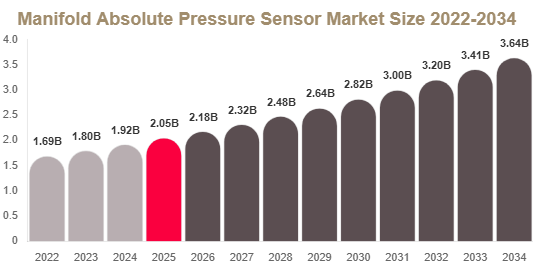
The Manifold Absolute Pressure Sensor Market is experiencing steady expansion as modern vehicles increasingly rely on precise engine management systems. These sensors play a crucial role in measuring the pressure within the intake manifold, enabling optimal fuel injection and ignition timing. As automotive technologies evolve toward efficiency and emission reduction, the demand for...
Expedia customer service can assist with refund requests for eligible flights, hotels, vacation packages, and car rentals. Refund eligibility depends on the provider’s cancellation policy and the terms of your booking. Customers can manage reservations online or contact Expedia support for help. Refund processing times vary and may take several business days to appear in your account...
"Middle East and Africa Drive Shaft Market Summary: According to the latest report published by Data Bridge Market Research, the Middle East and Africa Drive Shaft Market Middle East and Africa drive shaft market is expected to reach a value of USD 1,427.53 million by 2032 from USD 988.58 million in 2024, growing at a CAGR of 4.70% during the forecast...