


How Healthcare Professionals Can Choose the Right Medical Diagnostic Tools

Choosing medical diagnostic tools is an important decision for healthcare professionals. The right equipment can support routine examinations, patient monitoring and clinical assessments, while unsuitable products may create unnecessary challenges in busy healthcare environments. With many options available, healthcare providers need to look beyond price and consider how each product will perform in its intended setting.
For healthcare professionals across Ireland, a structured approach can make it easier to select diagnostic tools that are practical, reliable and appropriate for everyday patient care.
Start With the Intended Use
Before purchasing any diagnostic tool, healthcare professionals should identify how and where it will be used. A GP practice, nursing home, clinic and community care service may all have different requirements.
For example, a GP surgery may regularly need blood pressure monitors, stethoscopes, thermometers, pulse oximeters and otoscopes. A nursing home may prioritise equipment that supports regular observations and ongoing resident monitoring.
Understanding the clinical purpose first can help prevent unnecessary purchases and ensure important tools are readily available.
Consider Reliability and Accuracy
Diagnostic tools provide information that can contribute to a wider patient assessment, so reliability is an important consideration. Healthcare professionals should review product specifications, intended use and manufacturer information before making a purchase.
Accuracy also depends on correct operation. Staff should understand how a device should be used and follow relevant instructions. Regular maintenance and appropriate storage can further support the equipment's performance.
Rather than choosing equipment based solely on technical features, providers should consider whether the product is suitable for the actual clinical environment.
Look at Ease of Use
Medical diagnostic tools are often used repeatedly throughout the working day. If a device is complicated to operate, it can slow down routine assessments and make everyday tasks more difficult.
Consider whether controls are straightforward, displays are easy to read and the device can be handled comfortably. This becomes particularly important when several members of a healthcare team will use the same equipment.
Simple operation can also make staff training easier and encourage consistent use across a practice or care facility.
Think About Durability
Healthcare equipment may be handled frequently, moved between rooms and cleaned regularly. Durability should therefore be considered when choosing products for professional use.
A device that is appropriate for occasional personal use may not necessarily be suitable for a busy GP surgery or nursing home. Healthcare providers should consider expected frequency of use and whether the equipment is designed for the demands of the intended environment.
Long-term reliability can also influence overall value and replacement costs.
Consider Cleaning and Infection Prevention
Cleaning requirements should be assessed before purchasing diagnostic equipment. Products used between patients need to be compatible with appropriate cleaning and infection prevention procedures.
Healthcare professionals should check manufacturer guidance and understand which cleaning methods are recommended. Equipment that is straightforward to maintain can be more practical in busy clinical settings.
Staff should also be familiar with local procedures for cleaning, storage and handling.
Assess Portability and Storage
Some healthcare professionals need to move diagnostic tools between consultation rooms, treatment areas or residents. In these circumstances, portable equipment can provide useful flexibility.
However, portability should be considered alongside storage. Devices should have a suitable location when not in use, where they can be protected and accessed easily when required.
Well-organised storage can also reduce time spent searching for frequently used equipment.
Consider the Overall Cost
Price is naturally important, but the cheapest product is not always the most economical choice. Healthcare providers should consider durability, maintenance, accessories, consumables and potential replacement costs.
Looking at the overall value of a product can help organisations make purchasing decisions based on long-term requirements rather than initial price alone.
Choose a Trusted Medical Supplier
The supplier can also make a difference when building a diagnostic equipment range. Healthcare professionals should consider whether the supplier offers a suitable selection of products and understands the requirements of professional healthcare environments.
For healthcare providers in Ireland, Medguard Healthcare supplies a broad range of medical and diagnostic products for practices, care facilities and other healthcare settings.
Making an Informed Decision
Choosing the right medical diagnostic tools starts with understanding the needs of the healthcare environment. Reliability, accuracy, ease of use, durability, cleaning, portability and overall value should all form part of the decision-making process.
The most suitable equipment is not necessarily the most expensive or technologically advanced option. It is the product that meets the intended clinical requirements and can be used confidently and appropriately by healthcare professionals.
By taking time to assess these factors, healthcare providers across Ireland can build a dependable range of diagnostic tools that supports efficient workflows, informed clinical assessment and consistent, patient-focused care.
Original Source : https://prerealy.com/why-should-healthcare-professionals-invest-in-quality-diagnostic-tools/
Categories
Read More
Surface protection tapes are adhesive solutions designed to protect surfaces from scratches, dust, and damage during manufacturing, transportation, and installation processes. These tapes are widely used across industries such as electronics, automotive, construction, and industrial manufacturing. Increasing focus on product quality and damage prevention is supporting the growth of protective...

"Smart Refrigerators Market Summary: According to the latest report published by Data Bridge Market Research, the Smart Refrigerators Market Data Bridge Market Research analyzes that the global smart refrigerators market which was USD 650.23 million in 2022, would rocket up to USD 1069.32 million by 2030 and is expected to undergo a CAGR of 12.0% during the forecast period. This...

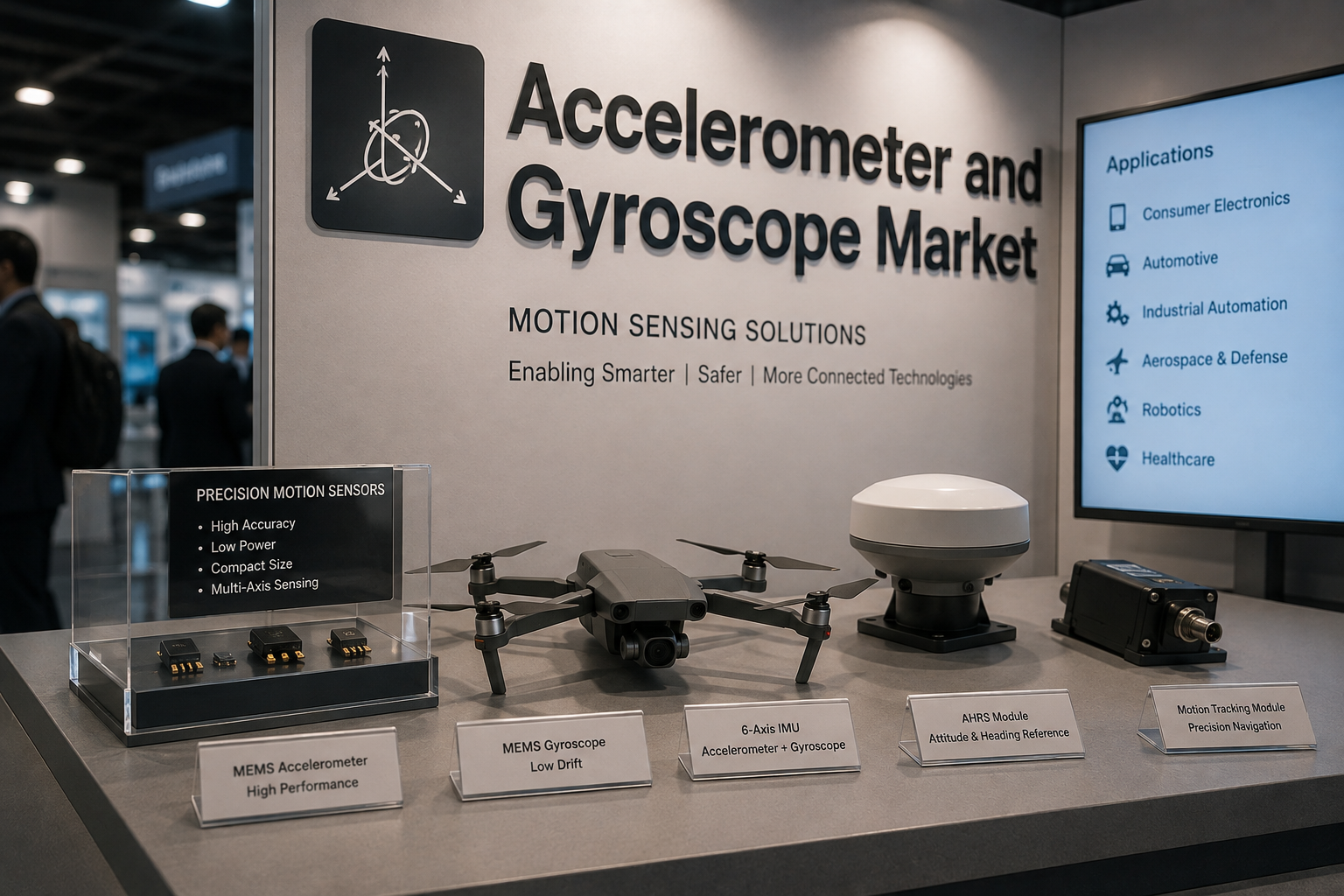
Accelerometers and gyroscopes are essential motion-sensing components used to measure acceleration, angular velocity, vibration, orientation, and movement across modern electronic systems. These sensors support applications ranging from device orientation and stabilization to vehicle safety, aerospace navigation, industrial automation, robotics, and healthcare monitoring. The transition from...
The architectural transformation of an outdoor living space or vehicular entry across the San Diego River basin demands an absolute integration of premium materials, precise grading physics, and advanced subgrade engineering. Across Mission Valley, Fashion Valley, Civic Center, Serra Mesa, and the surrounding urban communities, outdoor hardscapes undergo distinct physical and climate-related...

In today’s fast-growing digital world, finding a secure, reliable, and enjoyable online entertainment platform is very important. Players want a place where they can relax, have fun, and feel confident that their personal information and transactions are fully protected.123B stands out as a powerful, trusted, and innovative platform that delivers exactly that experience. With...