


Mole Removal Dermatologist Delhi: Laser, Surgical & Other Options

Introduction:
Moles are a type of skin growth that may occur anywhere on the body. Moles are harmless, but some people decide to get rid of them because of their appearance, irritation or size, shape and colour changes. Before deciding on Mole Removal Dermatologist Delhi, it's vital to discuss with a skilled dermatologist.
There are many different treatments for mole removal in the modern era of dermatology, including shave removal, laser removal (in certain situations) and surgical removal. Which method is the best choice will be determined by the type, location, size, depth and appearance of the mole.

What Is a Mole?
A mole is a clump of pigment-producing cells in the skin (medically called a nevus). Moles may be light brown or dark brown or black and flat or raised. They can occur from birth or throughout childhood or adulthood.
Ordinary moles do not need treatment, except for very rare cases. If a mole is causing discomfort, continually rubbing it with clothes, affecting appearance, or needs evaluation by a doctor, however, then it should be removed.
When Should a Mole Be Checked?
A dermatologist should examine the mole prior to cosmetic mole removal in Delhi. If a mole exhibits obvious changes, it will require special attention.
The ABCDE warning signs can be used to recognize changes that may warrant professional evaluation:
- A – Asymmetry: One half looks different from the other.
- B – Border: Irregular, uneven or indistinct edges.
- C – Color: Mole is in multiple or changing color.
- D – Diameter: If the mole is getting bigger, especially if it is growing, it will be larger.
- E – Evolving: The mole is changing or has symptoms like crusting, bleeding, or itching.
These symptoms are not a guarantee that a mole is malignant, but should be examined by a dermatologist.
Mole Removal Treatment Options
1. Surgical Excision
Surgical removal is often indicated for moles that are deeper, larger, or suspicious or must be completely removed. While the mole is being removed, the dermatologist or surgeon may take the tissue for lab analysis if indicated.
The area is often numbed with local anaesthetic and the procedure is not particularly uncomfortable. Depending on the size and the location of the mole that is removed, stitches may be necessary or not.
2. Shave Removal
If the mole does not grow deep into the skin, shaving may be an option. The raised part of the mole needs to be removed with a special instrument.
In some cases this technique may be done relatively quickly and need stitches in each case. But whether shave removal is suitable will depend on the particular mole and the dermatologist's evaluation.
3. Laser Mole Removal
Selected superficial pigmented lesions can be treated with laser mole removal. With the different kinds of technology, the laser energy can be directed toward pigmentation or tissue.
But not all moles can be treated with a laser. Surgical removal may be considered if a lesion is suspected or needs histopathological examination. Laser treatment should be determined by a dermatologist.
4. Other Dermatological Techniques
Other treatments may be recommended for other types and locations of lesions by dermatologists. Treatment should never be based on advertising something as the quickest or most advanced procedure, it should always be based on an examination.
Benefits of Professional Mole Removal
There are numerous advantages to hiring professional mole removal services in Delhi:
- Correct evaluation prior to treatment.
- The choice of a suitable removal method
- As with many procedures, a local anesthetic is used.
- Treatment customized for the mole and its location
- More focus on wound care and scarring
- Testing in laboratory at the time of medical indication
- Good post-treatment care by a professional.
At home, attempting to remove, burn or cut a mole may result in infection, bleeding, scarring, etc. It can also cause the delay in diagnosis for a serious skin condition that could otherwise have been identified.
Does Mole Removal is Painful?
Local anesthesia is typically used for the majority of mole removal surgeries. Some patients may experience a slight feel of an injection or pressure during this procedure, but generally, it is not painful.
Mild soreness, redness, swelling or sensitivity may result following treatment. Your dermatologist will give you after care instructions according to the procedure performed.
Mole Removal and Scarring
The type of removal, the size of the mole, its depth, the area of the body it is located on, and the person's healing capabilities all affect scarring. A scar will form after surgical removal, as most of the time it will involve the removal of tissue, and possibly stitches.
Taking care of wound care, avoiding unnecessary irritations and keeping the healing area protected from too much sun can help it heal better. But, there is no professional procedure that can ensure the complete elimination without scars.

How Much Does Mole Removal Cost in Delhi?
The cost of mole removal in Delhi may differ significantly from one to another. These can include the number of moles, size and depth of mole, location, mole removal process, consultation costs, anaesthetic, testing in the laboratory and follow-up costs.
Patients should not only consider the cost of the clinic but also high quality medical evaluation, proper treatment, clinic cleanliness and professional after treatment.
Why Consult a Dermatologist?
A skin doctor will be able to decide if the mole is a good candidate for cosmetic removal or further evaluation. Especially when a mole is changing, bleeding, itching or even having unusual characteristics.
In consultation, the doctor will be able to provide you information on whether the laser treatment, surgical removal, shave removal or another method is best for your case.
Conclusion:
There are several different methods of Mole Removal Dermatologist Delhi, ranging from surgical removal to shaving of the mole, up to laser treatment of selected moles. Each mole is unique, and the proper procedure will vary.
For cosmetic or medical purposes, only take a mole if you have an examination by a dermatologist/doctor. Appropriate use of the technique can be achieved with a professional evaluation and without unnecessary risks to the patient, while helping to improve healing.

Κατηγορίες
Διαβάζω περισσότερα
Regional Overview of Executive Summary Gas Turbine MRO Market by Size and Share Global gas turbine MRO market size was valued at USD 11.90 billion in 2024 and is projected to reach USD 19.50 billion by 2032, with a CAGR of 6.40% during the forecast period of 2025 to 2032. A study about the Gas Turbine MRO Market overview is performed by considering market drivers, market restraints,...

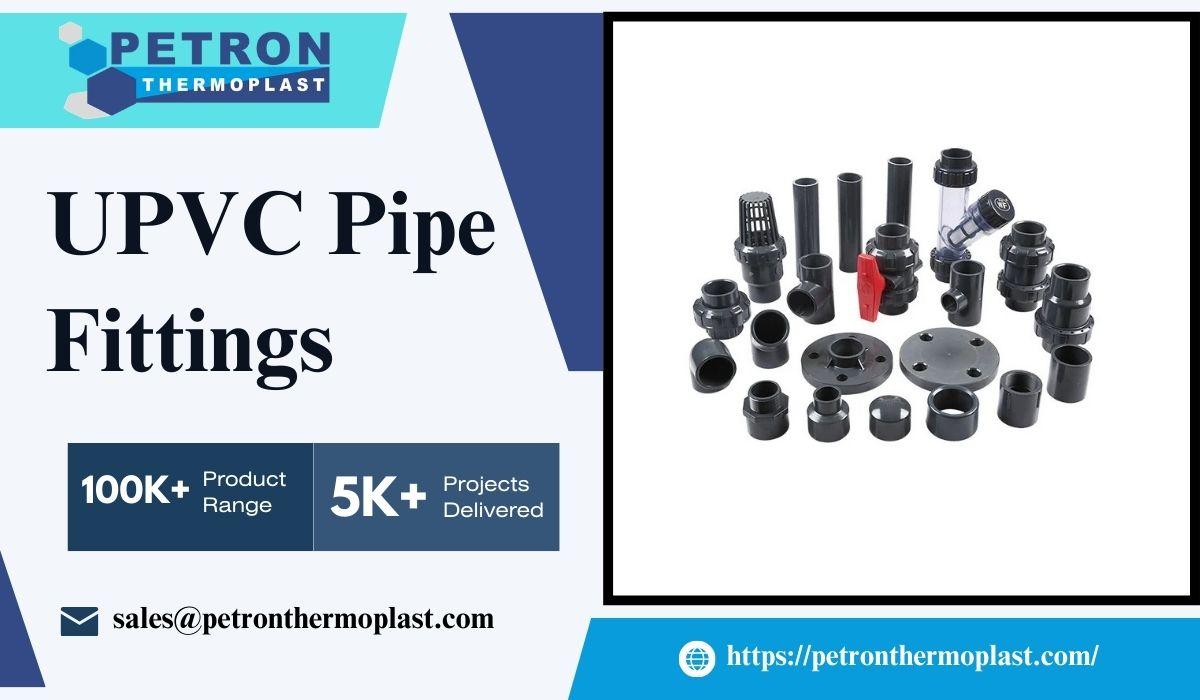
In modern industrial infrastructure, piping systems play a crucial role in transporting fluids safely and efficiently. Whether it is water, chemicals, or industrial liquids, the performance of a pipeline system depends heavily on the quality of its components. Among these components, UPVC pipe fittings are essential for ensuring strong, reliable, and leak-free connections. Industries across the...
The Human Capital Management (HCM) market is undergoing a significant transformation as organizations across industries rethink how they manage, engage, and develop their workforce. Once limited to payroll and basic HR administration, modern HCM platforms now serve as strategic systems that support talent acquisition, performance management, learning, and workforce analytics....

The PLM in Discrete Manufacturing Market Solution ecosystem has evolved dramatically in recent years, moving beyond simple document management toward comprehensive platforms that integrate specialized functionalities, sophisticated software stacks, and advanced tools designed to address specific manufacturing challenges. Today's solutions encompass a diverse range of applications...

If you’re looking for brand new apartment homes in East Lake Park, Vela Park is the perfect choice! These modern residences feature smart technology like Nest thermostats, making climate control a breeze. Enjoy chef-inspired kitchens with stainless steel appliances, in-home laundry for added convenience, and spacious walk-in closets. Many units also come with private garages for enhanced...