What Skills Do Care Workers Need to Respect Privacy and Dignity?

Privacy and dignity sit at the heart of good care. Whether someone is being supported at home, in a care home, or in a hospital setting, how they are treated during personal, everyday moments says a lot about the quality of care they are receiving. Organisations such as Healthcare Academy (HCA London) help care workers build these essential skills through structured, practical training.
For care workers across the UK, respecting privacy and dignity is not just a box to tick. It is a skill, built through awareness, communication, and genuine respect for the person being cared for. Let's look at what this actually involves.
Why Privacy and Dignity Matter So Much in Care
Many of the people care workers support are going through vulnerable moments in their lives. They may need help with washing, dressing, eating, or using the toilet, tasks that are deeply personal and, for many, quite difficult to ask for help with.
When privacy and dignity are respected, people feel safer, more comfortable, and more in control of their own lives. When they are not, even unintentionally, it can leave someone feeling embarrassed, anxious, or less than human. A good privacy and dignity course helps care workers understand exactly why this matters and how to put it into practice.
This is why the skills below matter so much, not just for compliance, but for real, everyday wellbeing.
Respectful Communication
How something is said often matters just as much as what is said. Speaking calmly, using someone's preferred name, and explaining what you are doing before you do it all helps a person feel respected rather than simply "cared for."
Good communication also means listening. Asking someone how they would like something done, rather than assuming, shows that their voice matters.
Protecting Personal Space and Privacy
Simple actions make a big difference here, knocking before entering a room, closing doors or curtains during personal care, and not discussing someone's care in front of others unless necessary.
Personal space isn't just physical. It also includes giving people time and privacy with visitors, phone calls, or quiet moments alone, without feeling watched or rushed.
Maintaining Confidentiality
Care workers often have access to sensitive information, medical history, personal circumstances, and daily routines. Keeping this information confidential, and only sharing it with those who need to know, is essential.
This includes everyday conversations too. Chatting casually about a service user's personal life, even without naming them, can still breach their privacy.
Respecting Personal Choices and Preferences
Everyone has preferences, how they like their tea, what time they like to get up, how they like to dress. Respecting these choices, wherever possible, helps preserve a person's identity and independence.
Even small decisions matter. Being asked "Would you like help with this, or would you prefer to try it yourself?" can make someone feel far more in control of their own care.
Providing Person-Centred Care
Person-centred care means seeing the individual, not just their care needs. It involves understanding someone's history, personality, and preferences, and shaping their care around them, rather than expecting them to fit into a routine.
This approach naturally supports privacy and dignity, because it puts the person, not the task, at the centre of everything.
Maintaining Dignity During Personal Care
Personal care tasks, such as washing, toileting, or dressing, can be some of the most vulnerable moments in a person's day. Covering someone appropriately, explaining each step, and moving at their pace, rather than rushing, all help preserve their dignity.
It's also important to remain professional and calm, avoiding any reaction that might make someone feel embarrassed about needing help.
Building Trust with Service Users
Trust is built gradually, through consistency, honesty, and respect. When someone knows their care worker will treat them with patience and understanding, they are more likely to feel safe, open up, and engage positively with their care.
Trust also encourages people to speak up if something isn't right, which supports better, safer care overall.
Respecting Cultural and Individual Needs
The UK is home to people from a wide range of cultural, religious, and personal backgrounds, each with their own values around privacy, modesty, and care. Taking the time to understand and respect these differences is an essential part of dignified care.
This might include specific preferences around who provides personal care, dietary needs, or religious practices. Asking, rather than assuming, is always the best approach.
Why Training Makes a Real Difference
While many of these skills come from empathy and common sense, proper privacy and dignity training helps care workers understand these principles in more depth, and apply them consistently, even in busy or challenging situations.
Training also helps care workers recognise situations where privacy or dignity might unintentionally be compromised, and gives practical guidance on how to handle sensitive situations with confidence.
Conclusion
Respecting privacy and dignity isn't about following a checklist, it's about treating people the way we would want our own loved ones to be treated. Communication, patience, and genuine respect go a long way in making someone feel valued, safe, and understood.
For care workers looking to strengthen these skills further, taking the time to complete proper Privacy and Dignity training can make a real, lasting difference, not just to compliance, but to the everyday experience of the people in their care.
الأقسام
إقرأ المزيد
In the evolving healthcare landscape, achieving and maintaining compliance in medical billing is critical to ensure the smooth operation of healthcare practices, particularly in specialized fields like pediatric and pathology medicine. Pediatric medical billing services and pathology medical billing services are intricate and require detailed attention to patient care codes, documentation, and...

Finding the right painting contractor is one of the most important decisions you can make when improving your home or business. A professional team not only delivers beautiful finishes but also ensures the work is completed efficiently and with lasting quality. If you're planning a painting or trim project, it's time to Contact GEM Painting & Trim. Their experienced professionals are...

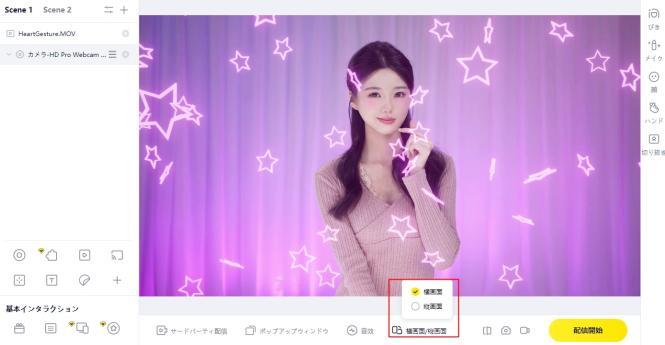
近年、オンライン配信やリモート授業、ウェビナー、ライブ配信の需要が急速に高まる中で、「見た目のクオリティ」は視聴者の印象を大きく左右する重要な要素となっています。その中でも特に注目されているのがバーチャル背景です。背景を自由に変えることで、場所や環境に左右されず、プロフェッショナルな映像空間を演出できます。 yycamproは、バーチャル背景を最大限に活用し、初心者から上級者まで誰でも簡単に高品質な映像表現を実現できる環境を提供しています。自宅やオフィスがそのままスタジオに変わる体験は、多くの配信者や講師、クリエイターから高い評価を得ています。 バーチャル背景が選ばれる理由...
In today’s financial world, understanding your credit profile is essential. Whether you are applying for a loan, mortgage, or credit card, lenders rely heavily on your credit history to make decisions. Platforms like Credit Check Online have made it easier for individuals in the United Kingdom to monitor their financial standing through a simple and accessible process. This...

Cloud Backup Market Expands with Rising Cybersecurity Concerns and Enterprise Digital Transformation The Global Cloud Backup Market is witnessing substantial growth as organizations increasingly prioritize secure data protection, disaster recovery, and scalable cloud storage solutions in response to rising cyber threats and rapid digital transformation initiatives. According to market...