Saathi Pads Explained: Bamboo and Banana Fibre Period Products for Eco-Friendly, Comfortable and Sustainable Menstrual Care
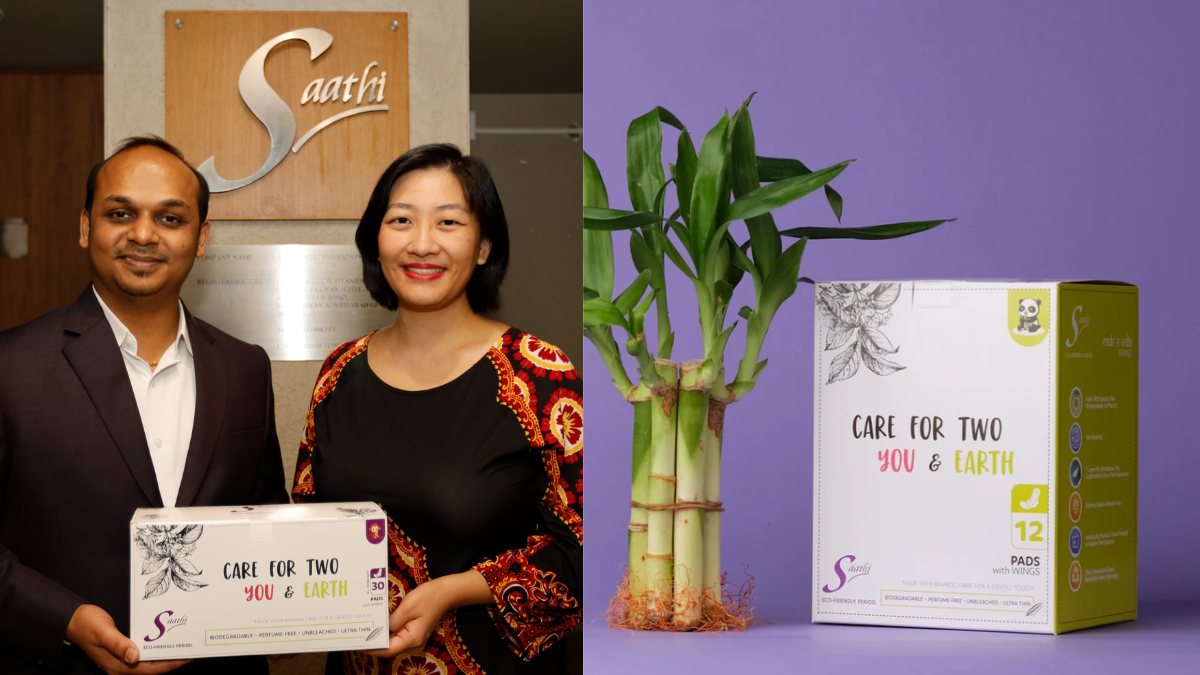
Saathi Pads are gaining attention among people looking for more sustainable alternatives to conventional sanitary pads. The products use plant-based materials such as bamboo and banana fibre, offering another approach to everyday menstrual care. Saathi says its pads are designed without plastic and use natural fibres as the absorbent core.
Bumppy analysis shows why Saathi Pads are part of the growing conversation around eco-friendly period products. The company began in 2015 with a focus on making sanitary products using locally sourced banana fibre, including fibre obtained from discarded banana stems. Its current range also includes bamboo-fibre pads and panty liners.
Why Are Saathi Pads Different From Regular Sanitary Pads?
Saathi Pads are designed using natural, plant-based fibres instead of relying on conventional plastic-heavy materials.
The company says its banana and bamboo fibres are used as absorbent materials in its disposable pads.
Banana-fibre pads are available in XL and Overnight options, while bamboo-fibre pads come in Regular, XL and Overnight sizes.
Saathi also says its individual wrappers use plant-based material and its outer boxes use paper and recycled cardboard.
The company describes its products as biodegradable and says they can decompose within about six months after disposal.
What Makes Bamboo and Banana Fibre Useful for Period Products?
-
Banana fibre: Saathi uses fibre from banana plant material, including stems that can otherwise be discarded after harvesting.
-
Bamboo fibre: The company offers bamboo-fibre pads designed in thinner formats, along with bamboo panty liners.
-
Plant-based materials: The products are designed around renewable plant materials rather than conventional plastic-based components.
-
Different flow options: Saathi offers different sizes to suit lighter, medium and heavier menstrual flow.
-
Plastic-free design: Saathi says its bamboo pads contain no plastic across their layers.
-
Agricultural connection: The company says purchasing discarded banana stems can provide additional income for farmers.
How Do Saathi Pads Support Sustainable Menstrual Care?
The idea behind Saathi Pads goes beyond simply changing the material inside a sanitary pad.
The company connects menstrual hygiene with agricultural waste, local manufacturing and reduced plastic use.
According to Saathi, it purchases discarded banana stems from farmers and provides employment opportunities for women in its manufacturing operations.
This creates a model that links period care with community and environmental goals.
However, consumers should still check the exact product materials and disposal instructions because environmental impact depends on the entire product and its disposal process.
Bamboo Fibre vs Banana Fibre: Which Saathi Pad Is Different?
Banana Fibre Pads for Absorbency
Saathi describes banana fibre as highly absorbent and uses it as the core material in its flagship banana-fibre pads.
The company currently lists XL and Overnight banana-fibre options for different flow requirements.
The fibre is sourced from banana plant material, creating an additional use for agricultural waste.
This makes banana fibre an important part of Saathi's sustainable-product approach.
Bamboo Fibre Pads for a Thinner Feel
Saathi's bamboo-fibre pads are promoted as an ultra-thin option for menstrual care.
The range includes Regular, XL and Overnight pads, along with bamboo-fibre panty liners.
The company says these products are made without plastic and use bamboo as the main fibre material.
The right option depends on individual comfort, flow and personal preference.
Eco-Friendly Menstrual Products and Waste
Disposable menstrual products create an important waste-management challenge because conventional products can contain plastic components.
Plant-based alternatives aim to reduce dependence on these materials and offer different end-of-life options.
Saathi says its pads are biodegradable and compostable and that its products break down within six months.
Consumers should still follow the manufacturer's disposal instructions rather than assuming any disposable pad can be composted at home.
5 FAQs About Saathi Pads
Are Saathi Pads made from bamboo and banana fibre?
Yes. Saathi offers pads made with bamboo or banana fibre, with different sizes and flow options.
Are Saathi Pads biodegradable?
Saathi describes its pads as biodegradable and compostable and says they degrade within about six months after disposal.
Are Saathi Pads reusable?
No. Saathi sanitary pads are designed for single use and should be disposed of after use according to the company's instructions.
How often should Saathi Pads be changed?
Saathi recommends changing pads within four to six hours and more frequently during heavier flow.
Can Saathi Pads be flushed?
No. The company specifically advises users not to flush the pads and recommends wrapping used pads and placing them in a closed bin.
Bumppy Wrap Up: Are Saathi Pads a Sustainable Period Care Option?
Saathi Pads offer an alternative approach to menstrual hygiene by combining bamboo and banana fibres with a focus on reducing plastic waste.
Their model also connects period products with agricultural resources and employment opportunities in local communities.
Bumppy Wrap up: The choice ultimately depends on individual comfort, menstrual flow, product availability and personal sustainability goals.
For anyone exploring eco-friendly period products, checking materials, absorbency, packaging and disposal instructions can help make an informed choice.
As interest in sustainable menstrual care grows, plant-based products such as Saathi Pads are likely to remain part of the wider conversation.
Categorias
Leia mais
The online betting industry continues to expand in 2026. New platforms enter the market every year. Competition grows stronger with each sports season. Yet, rajabet maintains a distinct presence among global betting brands. Sports bettors now demand speed, clarity, security, and variety. Rajabet responds to these expectations through structured innovation and user-focused improvements. This...

Fluid management is a critical aspect of many industrial and commercial operations. The Pulley Pump Set provides an effective, reliable, and adaptable solution for these needs. By integrating a precision pulley mechanism with a high-performance pump, this set offers smooth operation, consistent fluid flow, and long-term reliability. The pump set’s pulley system ensures optimal energy...

Global Food and Beverages Disinfection Market to Grow from USD 15.50 Billion in 2019 at 5.7% CAGR Through 2029. The Global Food and Beverages Disinfection Market is witnessing sustained expansion as food manufacturers intensify investments in food safety, hygienic processing, and next-generation disinfection technologies. According to Maximize Market Research (MMR),...

Most people desire a big change in their lives after which everything turns to their benefit. These goal-oriented changes such as changing jobs or getting promoted, improving work performance, increasing self-esteem, and the like, are often called career goals. One of the reasons why NLP Training in Canada is gaining popularity is that it not only equips communication skills of individuals of...

The global AI-driven virtual nursing assistants market is entering a transformative growth phase as healthcare systems increasingly adopt artificial intelligence to improve patient care, reduce operational costs, and address persistent workforce shortages. Virtual nursing assistants powered by AI are redefining healthcare delivery by enabling 24/7 patient support, automated symptom...