


Saudi Arabia Smart Cities Connect Technology with Urban Life

Saudi Arabia is transforming its urban environment through digital infrastructure, connected services, intelligent transportation, smart utilities, and data-driven public systems. Cities across the Kingdom are increasingly integrating technologies such as the Internet of Things (IoT), artificial intelligence, cloud computing, 5G, big data analytics, digital twins, and connected infrastructure. These developments are supporting more efficient municipal operations while improving mobility, sustainability, public services, and the overall urban experience.
A recent study by MarkNtel Advisors highlights that the Saudi Arabia Smart Cities industry was valued at nearly USD 5.3 billion in 2025 and reached USD 6.15 billion in 2026, with the market set to reach USD 15.06 billion by 2032, registering a CAGR of 16.1% during 2026–2032. Growth is supported by urbanisation, infrastructure modernisation, Vision 2030 initiatives, connected mobility, digital governance, smart utilities, and increasing adoption of advanced technologies across Saudi cities.
Smart Mobility Leads Urban Technology Adoption
Smart mobility solutions accounted for around 32% of the Saudi Arabia smart cities market in 2026, making them the leading segment. Traffic management systems, smart ticketing, connected vehicles, intelligent parking, and passenger information platforms are helping cities manage transportation more efficiently.
As urban populations grow, cities need systems that can monitor traffic conditions, improve public transportation, and reduce congestion. Connected mobility infrastructure can provide authorities with real-time information, allowing them to make better decisions around traffic flows and transportation services.
Riyadh Municipality has already introduced a smart parking project that combines digital parking management with electronic payment and monitoring technologies to support urban mobility.
IoT Connects Infrastructure Across Cities
IoT accounted for approximately 32% of the technology landscape in 2026. Connected sensors and devices allow cities to gather information from transportation networks, utilities, buildings, public spaces, and other infrastructure.
Riyadh Municipality is using IoT technologies for applications including irrigation monitoring and sensor-data analysis. The municipality is also applying artificial intelligence to support urban monitoring and operational efficiency.
Connected infrastructure can help authorities monitor assets continuously rather than relying only on periodic inspections. This can improve response times and provide data for maintenance planning.
Digital Services Improve Citizen Experiences
Smart-city development is also changing how residents interact with municipal authorities. Digital platforms can allow citizens and businesses to access services, submit applications, complete transactions, and receive information without depending entirely on physical offices.
The Saudi Ministry of Municipalities and Housing states that its digital transformation efforts aim to provide smart and innovative digital cities, improve customer journeys, strengthen digital services, and provide unified and reliable data for better decision-making.
Saudi Arabia’s broader digital transformation programme is also focused on improving accessible, user-centred government services while strengthening interoperability and digital infrastructure.
Riyadh Strengthens Its Smart-City Position
Riyadh maintained the largest regional contribution to the market in 2026, accounting for nearly 38.23% of the market. The city is investing in connected infrastructure, digital services, AI, IoT, smart mobility, and data-driven municipal management.
Riyadh Municipality has also developed the Madinaty Smart City Management Platform, which uses advanced technologies and generative AI to support urban management and city planning. These initiatives reflect the city’s wider objective of integrating emerging technologies into municipal operations.
Smart Utilities Improve Resource Management
Smart utilities are another important part of connected urban development. Smart meters, intelligent grids, water-management systems, and waste-management technologies can provide greater visibility into resource consumption and infrastructure performance.
Connected systems can help utilities identify unusual usage patterns, monitor networks, and plan maintenance. Smart waste-management solutions can also use sensors to identify collection requirements and improve operational scheduling.
The Saudi Ministry of Municipalities and Housing has introduced a smart-city management platform using IoT technologies to monitor cleaning operations and track waste-transport vehicles, supporting more efficient municipal operations.
AI Supports Smarter Urban Decisions
Artificial intelligence is becoming increasingly relevant to smart-city management because it can process large volumes of data and identify patterns that may be difficult to detect manually.
Riyadh Municipality uses AI, machine learning, data analysis, and modelling tools to support decision-making and future planning. The municipality also identifies IoT and AI as emerging technologies that can increase service efficiency and contribute to sustainable smart-city development.
AI can support applications ranging from traffic monitoring and environmental management to infrastructure inspection and public-service optimisation.
Sustainability Becomes a Key Priority
Smart-city technologies can contribute to more efficient resource use and environmentally responsible urban development. Intelligent transportation can support efficient mobility, while smart buildings can help manage energy consumption. Connected water and waste systems can also improve resource monitoring.
Saudi Arabia’s smart-city approach is increasingly connected with broader sustainability and urban-development objectives. Digital government guidance describes city digital transformation as integrating technology and data across transportation, housing, energy, healthcare, education, and other areas to improve urban services and sustainability.
Digital Integration Will Shape Future Cities
Saudi Arabia’s smart cities landscape is developing through connected mobility, IoT, AI, digital government, smart utilities, cloud platforms, and data-driven infrastructure. Government initiatives are providing a foundation for integrating these technologies into everyday urban services.
As the market reaches USD 15.06 billion by 2032, continued development will depend on reliable connectivity, cybersecurity, data governance, interoperability, skilled professionals, and effective collaboration between public authorities and technology providers. Smart-city success will ultimately depend on how effectively technology translates into better mobility, efficient services, sustainable resource use, and improved quality of life for people across Saudi Arabia.
الأقسام
إقرأ المزيد
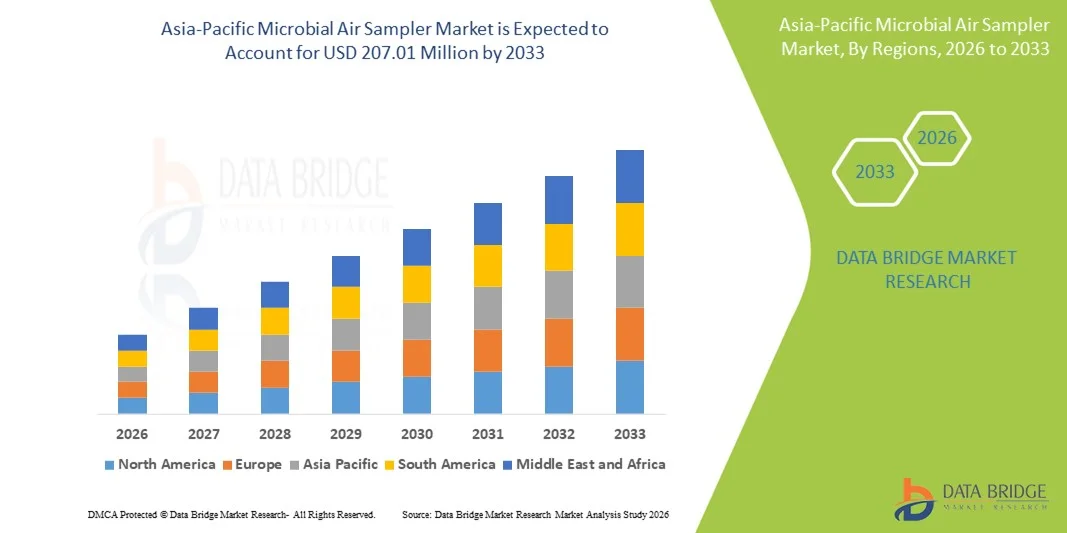
"Asia-Pacific Microbial Air Sampler Market Summary: According to the latest report published by Data Bridge Market Research, the Asia-Pacific Microbial Air Sampler Market The Asia-Pacific microbial air sampler market size was valued at USD 99.43 million in 2025 and is expected to reach USD 207.01 million by 2033, at a CAGR of 9.6% during the forecast...
The global Artificial Intelligence of Things (AIoT) Market is experiencing rapid expansion as organizations increasingly combine artificial intelligence with connected devices to enable real-time analytics, intelligent automation, and autonomous decision-making. According to SNS Insider, the Artificial Intelligence of Things (AIoT) Market was valued at USD 28.15 billion in 2023 and is projected...

According to the latest report published by Data Bridge Market Research, the Potassium Feldspars Market The global potassium feldspars market size was valued at USD 499.5 billion in 2024 and is expected to reach USD 749.30 billion by 2032, at a CAGR of 5.2% during the forecast period The reliable Potassium Feldspars Market research report includes a thorough analysis of the...

Europe Agricultural Pheromones Market Overview The Europe Agricultural Pheromones Market has transitioned from a niche segment within ecological farming into a mainstream crop protection imperative. Driven by stringent environmental guidelines—such as the European Union’s Farm to Fork strategy—the adoption of biological pest controls is expanding rapidly. These...
Bed bugs are among the most frustrating household pests because they hide in mattresses, furniture, cracks, and upholstery, making them difficult to eliminate without professional help. If you're struggling with an infestation, choosing a reliable Bed Bugs Pest Control in Mumbai service is the best way to restore comfort and hygiene in your home or workplace. Unlike DIY sprays that only provide...
