Caprolactam Prices Index and Trend Chart with Quarterly Forecast Prices

Caprolactam prices showed a mixed regional trajectory in July 2026, with Northeast Asia moving modestly higher while Europe and North America recorded significant declines. Northeast Asia reached USD 1.80/KG, increasing 1.7%, whereas Europe stood at USD 2.17/KG, declining 9.2%, and North America recorded USD 1.93/KG, down 9.8%. The divergence reflected differences in regional feedstock economics, downstream Nylon 6 demand, inventory conditions, and procurement strategies.
Europe recorded the highest price despite its substantial monthly decline, while North America experienced the sharpest downward correction. Northeast Asia moved against the broader trend as comparatively firmer downstream requirements and regional market conditions provided support. Demand from Nylon 6 fibers, engineering plastics, industrial yarn, automotive components, textiles, and electronics remained central to market activity, although buyers generally maintained disciplined purchasing.
Regional Caprolactam Prices Outlook – July 2026: Where Are Prices Highest?
- Europe: USD 2.17/KG (-9.2% ↓)
- North America: USD 1.93/KG (-9.8% ↓)
- Northeast Asia: USD 1.80/KG (+1.7% ↑)
The regional spread remained notable during July, with Europe recording the highest caprolactam price, followed by North America and Northeast Asia. The European price was USD 0.37/KG above Northeast Asia, demonstrating the continued impact of localized production costs, downstream market conditions, and regional supply availability.
Europe and North America experienced strong downward corrections as buyers adjusted procurement in response to softer market conditions. Northeast Asia remained comparatively firm, with demand from Nylon 6 fiber and resin producers providing support. The contrasting movements indicate that caprolactam pricing remained strongly dependent on regional supply-demand fundamentals rather than following a uniform global direction.
Regional Price Analysis of Caprolactam Prices – July 2026
Northeast Asia
Northeast Asia recorded USD 1.80/KG, representing a 1.7% increase during July 2026. The upward movement reflected comparatively firm regional demand from Nylon 6 fiber, resin, textile, and engineering-plastics manufacturers. Buyers maintained regular procurement requirements despite broader caution in downstream markets, providing sufficient support to prevent the price weakness observed elsewhere.
The region remained closely linked to the broader Asian Nylon 6 manufacturing chain. Demand from textile fibers and industrial applications continued to provide a dependable consumption base, while manufacturers balanced inventories against production requirements. The resulting market environment allowed suppliers to maintain comparatively firmer pricing.
Europe
European caprolactam prices reached USD 2.17/KG, the highest among the monitored markets, although prices declined 9.2% during July. The sharp correction indicated weaker purchasing momentum and softer regional market conditions. Downstream consumption from Nylon 6 engineering plastics, industrial applications, textiles, and automotive-related manufacturing remained important but was insufficient to prevent a significant monthly decline.
European buyers continued to focus on inventory optimization and short-term requirements. Production economics also remained sensitive to energy and upstream feedstock costs, while downstream manufacturers sought competitive procurement terms. Consequently, prices remained elevated in absolute terms but experienced substantial downward pressure during the month.
North America
North America recorded USD 1.93/KG, declining 9.8% in July and registering the strongest regional reduction. The decline reflected softer procurement activity, sufficient availability, and cautious purchasing among downstream Nylon 6 manufacturers. Automotive components, engineering plastics, industrial yarn, and textile applications continued to generate demand, but buyers remained selective.
The North American market also remained sensitive to changes in upstream chemical costs and manufacturing activity. With downstream customers avoiding unnecessary inventory accumulation, suppliers faced stronger pressure to align offers with prevailing demand. This resulted in a pronounced monthly correction despite the continued structural importance of caprolactam-based products.
Supply and Demand Overview – July 2026
Global caprolactam supply remained broadly available during July, although regional market balances differed. Caprolactam production is closely connected to cyclohexanone and other upstream chemical inputs, while the operating rates of integrated petrochemical and polymer facilities influence the availability of material for Nylon 6 production. Regional maintenance schedules and inventory positions therefore remained important pricing considerations.
Demand dynamics remained steady across key downstream industries:
- Nylon 6 Fibers: Major consumption from textile yarn, carpets, apparel, and industrial fabrics.
- Engineering Plastics: Continued use in automotive, electrical, electronics, and industrial components.
- Automotive: Demand for lightweight Nylon 6 components and engineering applications.
- Industrial Yarns: Stable requirements for tire-related and technical textile applications.
- Electronics: Ongoing demand for engineering polymers used in components and housings.
Downstream demand remained structurally supportive but procurement behavior was cautious. Buyers generally prioritized immediate production requirements and avoided excessive stock accumulation, particularly in Europe and North America. Northeast Asia presented a comparatively firmer demand environment, supporting its modest price increase.
Key Factors Affecting Prices – Monthly Perspective
Several factors influenced caprolactam pricing during July 2026:
- Raw Material Availability: Availability and pricing of upstream chemical feedstocks influenced caprolactam production economics.
- Downstream Demand: Nylon 6 fibers, engineering plastics, automotive, electronics, and industrial yarn applications remained the principal demand drivers.
- Logistics: Regional transportation, storage, and delivery conditions affected producer-to-consumer pricing.
- Energy Costs: Electricity, fuel, and other operating expenses influenced chemical processing and polymer production economics.
- Trade Dynamics: Import flows, regional production capacity, cross-border supply, and local inventories contributed to significant regional price differences.
Recent Developments (July Highlights)
- Northeast Asian caprolactam prices increased as downstream Nylon 6 requirements remained comparatively firm.
- European prices declined sharply as buyers maintained cautious procurement and optimized inventories.
- North America recorded the strongest monthly correction amid softer purchasing and sufficient market availability.
- Demand from automotive, textiles, engineering plastics, and industrial applications continued to provide a structural consumption base.
These developments resulted in a divergent global caprolactam market, with Northeast Asia moving higher while Europe and North America experienced substantial price corrections.
For detailed insights, charts, and forecasts, explore: https://www.imarcgroup.com/caprolactam-pricing-report/requestsample
Caprolactam Price Chart Analysis – Monthly Movement
The Caprolactam Price Chart for July 2026 demonstrates a mixed regional pattern. Europe maintained the highest absolute price despite a sharp decline, North America followed with another significant reduction, while Northeast Asia moved modestly upward.
- Early July: Buyers evaluated upstream costs and Nylon 6 production requirements while maintaining conservative purchasing strategies.
- Mid-July: Downward pressure became more pronounced in Europe and North America as inventories remained manageable and buyers resisted aggressive stock building.
- Late July: Northeast Asian prices retained upward momentum, while European and North American markets settled at lower levels following continued procurement adjustments.
The monthly chart highlights the importance of regional purchasing conditions in determining caprolactam prices. Procurement managers can use these movements to identify favorable buying windows, compare regional sourcing conditions, and manage Nylon 6 production costs.
Caprolactam Price Index & Historical Analysis
The Caprolactam Price Index showed significant regional divergence during July 2026. Northeast Asia increased 1.7%, while Europe declined 9.2% and North America fell 9.8%. These movements indicate that local inventory conditions, downstream Nylon 6 operating rates, feedstock economics, and procurement strategies continued to determine price direction.
Historically, caprolactam prices have remained closely connected to Nylon 6 production, textile manufacturing, automotive applications, and upstream chemical costs. Changes in cyclohexanone and other feedstock economics can influence producer margins, while shifts in fiber and engineering-plastic demand can quickly alter purchasing requirements.
Key structural drivers include:
- Nylon 6 Production: The largest downstream application creates a direct link between caprolactam and polymer demand.
- Textile Industry: Nylon 6 fibers provide substantial recurring demand for caprolactam.
- Automotive Lightweighting: Engineering plastics increase the use of Nylon 6 in vehicle components.
- Upstream Feedstock Costs: Changes in chemical input prices influence production economics.
- Manufacturing Cycles: Electronics, industrial products, and consumer goods influence engineering-plastic consumption.
July 2026 demonstrated a clear regional divergence. The increase in Northeast Asia contrasted with sharp corrections in Europe and North America, highlighting the importance of localized supply-demand balances.
What Is Caprolactam?
Caprolactam is a cyclic amide and organic chemical compound primarily used as the monomer for producing Nylon 6. It is commonly manufactured through chemical processes involving cyclohexanone and related upstream intermediates, followed by purification to produce material suitable for polymerization.
Key applications include:
- Nylon 6 Fiber: Used extensively in textiles, carpets, industrial fabrics, and apparel.
- Engineering Plastics: Provides durable polymer materials for automotive and industrial components.
- Automotive Components: Used in lightweight parts, under-hood applications, and technical components.
- Industrial Yarns: Supports technical textiles and specialized high-strength applications.
- Electronics: Nylon 6-based engineering plastics are used in selected electrical and electronic components.
Its central role in Nylon 6 manufacturing makes caprolactam an important intermediate for the textile, automotive, electronics, and engineering-plastics industries. Consequently, changes in downstream polymer demand can directly affect caprolactam purchasing and pricing.
Caprolactam Price Forecast – Next 12 Months
The caprolactam price forecast for the next 12 months points toward a regionally differentiated market, with prices likely to respond closely to Nylon 6 operating rates, upstream feedstock costs, inventory levels, and manufacturing activity. Continued demand from textiles, automotive applications, engineering plastics, and electronics should provide a structural demand base.
Key growth drivers include:
- Nylon 6 Capacity Expansion: Additional polymer and fiber capacity can increase caprolactam consumption.
- Textile Manufacturing: Expanding synthetic fiber production should support recurring demand.
- Automotive Lightweighting: Increased use of engineering plastics can strengthen Nylon 6 requirements.
- Electronics Manufacturing: Demand for high-performance polymer components can provide additional support.
- Industrial Applications: Technical textiles and engineering products can sustain long-term consumption.
Potential risks include:
- Weak Nylon 6 Demand: Lower polymer operating rates could reduce caprolactam purchasing.
- Feedstock Cost Volatility: Changes in upstream chemical costs may alter producer pricing.
- Excess Capacity: High regional production availability could create downward price pressure.
- Inventory Accumulation: Elevated stocks may delay downstream replenishment.
- Manufacturing Slowdowns: Weak textile, automotive, or electronics production could reduce consumption.
Overall, caprolactam prices are expected to remain sensitive to the balance between upstream production economics and downstream Nylon 6 demand. Regional differences may persist as buyers and producers respond differently to inventory, feedstock, and manufacturing conditions.
Access Comprehensive Pricing Intelligence Reports : https://www.imarcgroup.com/pricing-market-reports
FAQs About Caprolactam Prices Insights & Market Analysis
What does the Caprolactam Price Index indicate for July 2026?
The Caprolactam Price Index indicates a mixed regional trend. Northeast Asia increased 1.7%, while Europe declined 9.2% and North America decreased 9.8%, reflecting different regional supply-demand conditions.
How does the Caprolactam Price Chart help procurement managers?
The Caprolactam Price Chart helps procurement managers monitor regional price movements and evaluate changes in Nylon 6 supply and demand. It supports purchase timing, inventory planning, supplier negotiations, and cost management.
What is the caprolactam price forecast for the next 12 months?
Caprolactam prices are expected to remain sensitive to Nylon 6 demand, textile and automotive production, upstream feedstock costs, and regional inventories. Continued downstream growth may provide support, while excess capacity and cautious procurement could limit sustained price increases.
How IMARC Pricing Database Can Help
The latest IMARC Group study, "Caprolactam Prices, Trend, Chart, Demand, Market Analysis, News, Historical and Forecast Data 2026 Edition," presents a detailed analysis of Caprolactam price trends and global market dynamics. The analysis provides comprehensive price tracking, historical movements, and insights into regional pricing conditions.
The report examines key factors influencing Caprolactam prices, including upstream raw material costs, production conditions, downstream Nylon 6 demand, energy expenses, logistics, inventories, and trade dynamics. It also evaluates the relationship between supply and demand across textile fibers, engineering plastics, automotive, electronics, and industrial applications, helping businesses understand current market conditions and anticipate future pricing movements.
About Us:
IMARC Group is a global management consulting firm that provides a comprehensive suite of services to support market entry and expansion efforts. The company offers detailed market assessments, feasibility studies, regulatory approvals and licensing support, and pricing analysis, including spot pricing and regional price trends. Its expertise spans demand-supply analysis alongside regional insights covering Asia-Pacific, Europe, North America, Latin America, and the Middle East and Africa. IMARC also specializes in competitive landscape evaluations, profiling key market players, and conducting research into market drivers, restraints, and opportunities. IMARC’s data-driven approach helps businesses navigate complex markets with precision and confidence.
Contact us:
IMARC Group
134 N 4th St. Brooklyn, NY 11249, USA
Email: sales@imarcgroup.com
Tel No: (D) +91 120 433 0800
United States: +1-201971-6302
Categorías
Read More
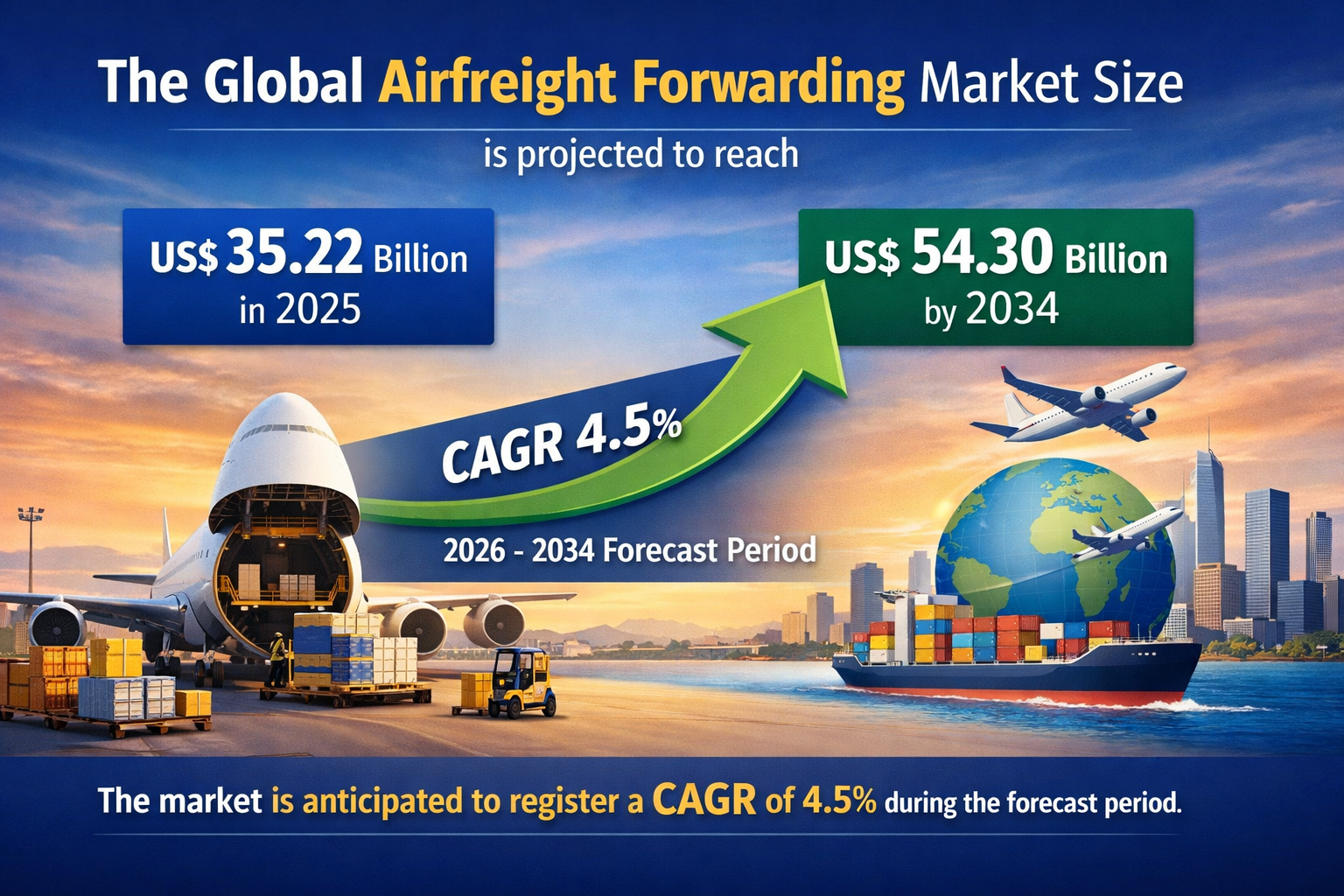
The international logistics landscape is experiencing a significant shift as businesses prioritize speed and efficiency in their global supply chains. Airfreight forwarding has become an essential service for moving high value and time sensitive goods across continents. As global trade volumes recover and expand, the reliance on air transport continues to grow, particularly for industries that...
The digital sports entertainment industry has witnessed tremendous growth over the past decade. With smartphones becoming more powerful, internet access becoming more widespread, and users seeking convenient online experiences, sports-focused digital platforms have become increasingly popular. Whether users are following major cricket tournaments, exploring sports-related content, or engaging...

"According to the latest report published by Data Bridge Market Research, the 3D Printing Market The global 3D printing market size was valued at USD 8.54 billion in 2024 and is expected to reach USD 27.03 billion by 2032, at a CAGR of 15.50% during the forecast period An influential 3D Printing Market report contains a specific study of the 3D...

A Square Multi-Purpose Pan is a versatile cooking tool designed to meet the needs of both home cooks and professional chefs. Its square shape provides more usable cooking surface compared to traditional round pans, making it suitable for a wide range of cooking methods, including frying, sautéing, baking, and simmering. Manufacturers focus on materials, design, and functionality to...

Streetwear changes fast, but some brands never lose their power. Stüssy continues to lead global fashion because it mixes originality, comfort, and culture in a way that feels natural. In 2026, the brand is not chasing every loud trend. Instead, it focuses on quality basics, oversized fits, clean graphics, textured fabrics, and timeless street style that works in every season. Fashion...