


Wardrobe Design Guide: Modern Styles, Layouts, and Ideas for Every Bedroom
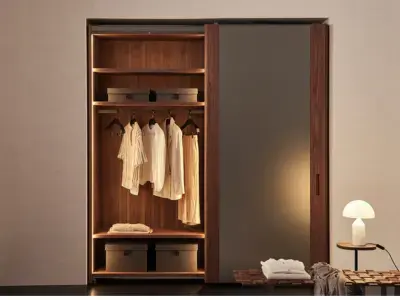
A well-planned wardrobe design can transform how a bedroom functions day to day. Beyond simply storing clothes, a thoughtfully designed wardrobe helps organize your belongings, makes getting ready easier, and contributes significantly to the room's overall look. Yet wardrobe design is often treated as an afterthought, squeezed in once the rest of the bedroom furniture design has already been decided.
This guide walks through the most popular wardrobe design types, how to plan wardrobe interior design for maximum storage, and the key factors to consider before settling on a final layout - so your wardrobe becomes a functional centerpiece rather than a missed opportunity.
Why Wardrobe Design Deserves Careful Planning
A wardrobe is one of the largest and most frequently used pieces of furniture in a bedroom. Unlike a nightstand or dresser, it needs to accommodate a wide range of items - folded clothing, hanging garments, accessories, shoes, and often out-of-season storage - all while fitting the available wall space. Poorly planned wardrobe design leads to wasted space, awkward door clearances, and storage that never quite works the way you need it to.
Getting wardrobe design right from the start means thinking beyond the exterior finish and considering the internal layout, door mechanism, and how the piece integrates with the rest of the room's furniture design.
Popular Wardrobe Design Types
Sliding Wardrobe Design
Sliding wardrobe design is one of the most space-efficient options available, particularly useful in smaller bedrooms where a swinging door would eat into valuable floor space. Sliding wardrobe doors run along a track, allowing the wardrobe to sit flush against a wall without needing extra clearance in front. Sliding mirror wardrobe options are especially popular, since they double as a functional mirror while saving the need for a separate one.
Walk-In Wardrobe Design
For bedrooms with more available space, a walk-in wardrobe offers the most flexibility. Walk-in wardrobe design typically incorporates a mix of hanging rails, shelving, and drawer units arranged around a central walking space, making it easier to see and access everything at once. This layout works particularly well for larger primary bedrooms or dedicated dressing rooms.
Wall Wardrobe Design
A wall wardrobe is built to run along a single wall, often floor-to-ceiling, maximizing vertical storage without extending far into the room. Wall wardrobe design is a strong choice for bedrooms where floor space is limited, but wall height is generous, since it keeps the footprint minimal while still offering substantial storage capacity.
2 Door Wardrobe and Compact Layouts
For smaller rooms or secondary bedrooms, a 2-door wardrobe offers a compact footprint while still separating hanging space from shelving. These layouts are a practical starting point for guest rooms, children's rooms, or any space where a full walk-in or sliding system isn't feasible.
Wardrobe Interior Design: Making the Most of the Space
The exterior of a wardrobe gets most of the attention, but wardrobe interior design is what determines how functional the piece actually is day-to-day. A well-organized wardrobe interior design typically includes:
-
A mix of hanging rail heights - separating long garments (like dresses and coats) from shorter items (like shirts and folded trousers).
-
Adjustable shelving for items that don't hang well, such as sweaters or bags.
-
Drawer units for smaller accessories, undergarments, and jewelry.
-
A wardrobe organizer system that uses dividers, pull-out baskets, or modular inserts to keep everything visible and accessible.
Investing in a flexible wardrobe organizer setup - rather than a single open cavity - makes a significant difference in how usable the wardrobe feels once it's in daily use.
Choosing Materials: Wooden Wardrobe Design
Wooden wardrobe designs remain a popular choice because of their durability, warmth, and versatility. A wooden wardrobe can be finished to suit almost any room style, from a natural wood grain finish that suits a rustic bedroom to a painted or lacquered finish for a more contemporary look. Solid wood construction tends to hold up better over time than particleboard alternatives, particularly around hinges, tracks, and drawer runners that see frequent use.
When comparing wooden wardrobe designs, pay attention to the quality of internal fittings as much as the exterior finish - hinges, drawer slides, and shelf supports are often the first components to wear out.
Wardrobe Color Combination and Room Integration
Choosing the right wardrobe color combination helps the piece feel like part of the room rather than a standalone box. A few approaches work particularly well:
-
Matching the wardrobe to other bedroom furniture design pieces - such as the bed frame or dresser - for a cohesive, coordinated look.
-
Contrasting the wardrobe with the wall color to make it a deliberate focal point rather than something that blends into the background.
-
Using a neutral wardrobe finish paired with a bolder accent wall, which keeps the room flexible if the color scheme changes in the future.
Modern wardrobe design often leans toward matte or textured finishes in muted tones, while more traditional wardrobe design styles favor warm wood tones with visible grain.
Sizing and Layout Considerations
Standard wardrobe size varies depending on the room and storage needs, but a few planning principles apply across most layouts:
-
Measure available wall space carefully, including ceiling height for wall wardrobe design or walk-in wardrobe design options.
-
Account for door clearance. Sliding wardrobe doors need track space, while hinged doors need floor clearance to open fully.
-
Growth plan. A room wardrobe design that only fits current storage needs will quickly feel inadequate; leave some room for future items.
-
Balance hanging and shelving space based on your actual wardrobe - most people benefit from more hanging space than they initially estimate.
Latest Wardrobe Design Trends
Latest wardrobe design trends continue to favor functionality alongside aesthetics. Sliding wardrobe systems remain popular for space efficiency. In contrast, modular wardrobe interior design - where shelves, rails, and drawers can be rearranged - gives homeowners more flexibility as their storage needs change over time. Sliding mirror wardrobe doors also continue to be a practical trend, combining storage with a full-length mirror in a single footprint-saving unit.
Wardrobe Design for Small Bedrooms
Small bedrooms benefit from wardrobe design choices that prioritize vertical space and minimal footprint. Sliding wardrobe design is often the best fit here, since it eliminates the need for door-swing clearance entirely. Floor-to-ceiling wall wardrobe design also works well in tighter rooms, as building upward rather than outward keeps more of the floor plan open.
Light-colored or mirrored wardrobe finishes can also make a small room feel more spacious, since they reflect light and avoid visually shrinking the space the way a large, dark block of furniture can. Where possible, look for a wardrobe organizer system with adjustable components, so the interior can be reconfigured as storage needs change without needing to replace the whole unit.
Wardrobe Design for Larger Bedrooms and Walk-In Spaces
In larger primary bedrooms, wardrobe design has more room to serve as a genuine dressing area rather than just a storage box. A walk-in wardrobe design can incorporate a mix of open shelving, closed cabinetry, and even a small seating area or full-length mirror. This kind of layout benefits from zoning - grouping similar items together (formal wear, everyday clothing, accessories) so the space stays organized rather than becoming an oversized catch-all.
For larger rooms, it's also worth considering how the wardrobe design interacts with the rest of the bedroom furniture design. A walk-in wardrobe that opens directly off the sleeping area should ideally use a complementary material or color palette so the transition between spaces feels intentional rather than disjointed.
Maintaining Your Wardrobe Over Time
Even well-built wardrobe design needs occasional upkeep to stay functional. A few habits help extend the life of both wooden wardrobe and sliding wardrobe systems:
-
Check and lubricate sliding tracks periodically, since dust and debris can cause sliding wardrobe doors to stick or run unevenly over time.
-
Tighten hinges and drawer slides on hinged wardrobe internal design components before they become loose enough to cause damage.
-
Avoid overloading shelves, particularly in a wooden wardrobe, since excess weight can warp shelving over time.
-
Dust and clean wood finishes regularly using appropriate products, since the wrong cleaning agents can dull or damage a wooden wardrobe's finish.
Frequently Asked Questions About Wardrobe Design
What's the difference between a sliding wardrobe and a hinged wardrobe?
A sliding wardrobe uses doors that run along a track and require no floor clearance to open, making it ideal for smaller rooms. A hinged wardrobe swings open like a traditional cabinet door and typically needs additional floor space in front of the unit, but can sometimes offer easier full access to the interior at once.
Is a walk-in wardrobe worth it in a smaller home?
It depends on available space. A walk-in wardrobe design generally needs a dedicated area of several square feet to function well; in smaller homes, a well-organized wall wardrobe or sliding wardrobe often delivers similar storage benefits with a smaller footprint.
How do I decide on a wardrobe color combination?
Consider the room's existing furniture design and wall color first. Matching the wardrobe to other large furniture pieces creates a cohesive look, while a contrasting tone can turn the wardrobe into a deliberate design feature rather than a background element.
Final Thoughts on Wardrobe Design
A wardrobe is far more than a place to hang clothes - it's a functional system that, when designed well, makes daily routines easier and contributes to the overall harmony of a bedroom's furniture design. Whether you choose a space-saving sliding wardrobe, a spacious walk-in wardrobe, or a compact 2-door wardrobe, the key is to plan the interior layout, materials, and color combination together rather than as separate decisions.
Taking the time to think through wardrobe internal design, storage flexibility, and how the piece fits within the wider room ensures your wardrobe design remains functional and visually cohesive for years to come.
For a complete breakdown of layouts, materials, and styling ideas, explore the full wardrobe design guide.
Kategoriler
Read More
Wizarding World enthusiasts can look forward to a magical addition to their wardrobes this summer. Warner Bros. has collaborated with multiple partners to craft a special collection of protective masks. These new items will showcase favorite characters and famous scenes from the Harry Potter universe. Offering styles for every age, the designs include house crests, wand motifs, and other...

Dubai is one of the world's most dynamic cities, attracting professionals, families, students, and investors from across the globe. With world-class infrastructure, excellent public transport, modern communities, and a high standard of living, the demand for Apartments for Rent in Dubai continues to grow. Whether you're looking for a luxury apartment or Cheap Apartments for Rent in Dubai, the...

The excitement around the Indian Premier League continues to grow with every season, and IPL 2026 has introduced a completely new level of competition. Teams are scoring faster, captains are using smarter strategies, and match conditions are changing rapidly from one venue to another. Amid all these developments, one factor is gaining more attention than ever before — toss prediction. In...

The sacred journey to Kedarnath Dham is one of the most spiritually rewarding pilgrimages in India. Nestled at an altitude of around 3,583 meters (11,755 feet) in the Garhwal Himalayas near the Mandakini River, the temple attracts millions of devotees every year. However, the weather in this high-altitude Himalayan region is unpredictable and often harsh, making it crucial for pilgrims to...

The Imperative of Strategic Market Analysis for Success A comprehensive and insightful market analysis is an indispensable tool for any organization looking to invest in or compete within the dynamic logistic software sector. This analysis transcends a simple review of market size and growth rates, providing a deeper understanding of the underlying forces that shape the industry. It involves a...
