


Understanding the Layers: How Engineered Hardwood Flooring Resists Warping

Warping is one of the most common concerns homeowners face when choosing a wood floor, especially in climates where humidity levels shift tthroughout theyear. Traditional solid wood planks expand and contract with moisture, often leading to gaps, cupping, or bbucklingover time. This is where smarter construction method comes in. Engineered Hardwood Flooring was specifically developed to address this weakness, using a layered structure that resists the natural movement wood experiences when exposed to changing temperature and humidity. Understanding how this layered design works can help homeowners make more informed decisions when selecting flooring for their space.
The Core: The Foundation of Stability
At the heart of every plank lies the core layer, whichis tytypicallyade from high-density fiberboard (HDF) or multiple layers of plywood. Unlike solid wood, which has a single, uniform grain direction, the core is engineered with cross-layered construction. Each layer of wood veneeris placed at a peperpendicular angleo the one beneath it. Thiscrosshatch pattern is the primary reason the finished product holds its shape so well. When moisture enters the wood, the opposing grain directions counteract each other's expansion, significantly reducing the overall movement of the plank. This structural approach is what gives the flooring its dimensional reliability, even in environments where humidity fluctuates seasonally.
The Veneer: Where Beauty Meets Function
Sitting above the core is the veneer, a thin slice of real hardwoodthat gives theloor its authenticlook and ttextureWhile solid wood floors are cut entirely from a single piece of timber, the veneer layer here is bonded directly onto the stable core beneath it. Because the veneer is thin and supported by a rigid substrate, it isn't subjected to the same stresses that cause solid planks to warp. Species such as oak, maple, and walnut are commonly used for this layer, offeringthe sameee visual appeal as traditional hardwood without sacrificing structural integrity. The bonding process itself also matters, as high-quality adhesives ensure the veneer stays ffirmlyattached eeven under fluctuating conditions
The Adhesive Bond: Holding It All Together
The strength of any layered flooring system depends heavily on how well its individual layers are bonded. Manufacturers use industrial-grade adhesives to fuse the core and veneer layers under intense heat and pressure. This process eliminates air pockets and ensures uniform contact across the entire plank, which prevents delamination or separation over time. A well-bonded plank behaves as a single, unified structure rather than several loosely connected pieces, which is essential for resisting the twisting and cupping that often affects lower-quality flooring products.
Why Layered Wood Flooring Handles Humidity Better
This cross-layered approach to woodd flooring construction is precisely what separates it from traditional solid options. Because moisture cannot move uniformly through a structure with alternating grain directions, theplank is far less likely to expand unevenly. In practicalterms, this means floors installed in kitchens, basements, or homes in humid regions are far less prone to visible gaps or lifted edges. It also means the flooring can be installed over a wwider rangeof subfloor types, including concrete, where solid wood is often unsuitabledue to moisture exposure from below.
Manufacturing Standards That Support Long-Term Performance
Quality control plays a significant role in how well a plank resists warping over its lifespan. Reputable manufacturers test Engineered Hardwood Flooring products against strict standards for moisture resistance, ply count, and bonding strength before they ever reach a showroom floor. Panels witha higher number of core layers generally offer greater resistance to movement, as the additional cross-grain layers further stabilize the structure Buyers should look for products that meet recognized industry certifications, as these standards are a strong indicator of consistent performance and reduced risk of premature warping. Third-party testing agencies often verify these claims independently, giving buyers an additional layer of confidence beyond manufacturer marketing.
Installation Factors That Influence Warping
Even the best-engineered plank can warp if installed incorrectly. Proper acclimation, where the flooring is left to adjust to the room's temperature and humidity before installation is criticallExpansion gaps along the perimeter of the room aallow the materialto shift slightly without stress, while a level, dry subfloor prevents uneven pressure on the planks. Skipping these steps can undermine even the highest-quality product, so pprofessional installationis often recommended for best results.
Conclusion
The resistance to warping seen in modern flooring isn't accidental. It'sthe direct result of thoughtful, layered engineering, from the cross-grain core to the bonded veneer and precise manufacturing standards. For homeowners weighing their options, Engineered Hardwood Flooring offers a practical solution that combines the natural beauty of real wood with the structural reliability needed to handle everyday environmental changes. By understanding these layers, buyers can select flooring that not only looks great but stands the test of time.
Categorias
Leia Mais
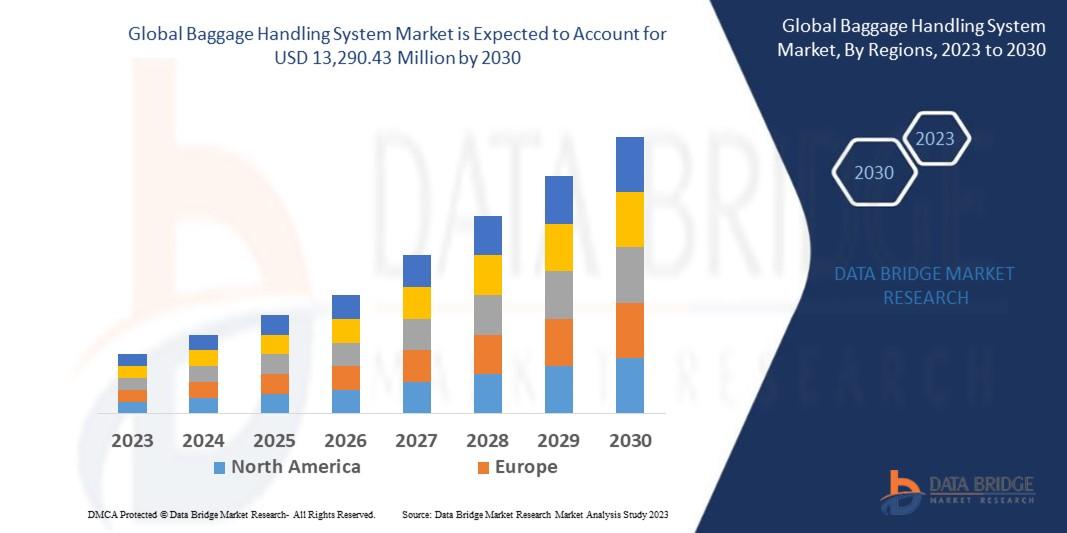
"Executive Summary Baggage Handling System Market: Growth Trends and Share Breakdown CAGR Value Data Bridge Market Research analyses that the global baggage handling system market which was USD 7,652.35 million in 2022, is expected to reach USD 13,290.43 million by 2030, and is expected to undergo a CAGR of 6.58% during the forecast period 2023-2030. Being a premium market...
The cycling ecosystem in North America is undergoing significant transformation as consumers increasingly adopt smart fitness devices, connected accessories, and advanced performance tracking solutions. Growing interest in recreational cycling, professional training, outdoor activities, and sustainable transportation is encouraging riders to invest in technology-enabled cycling equipment. In...

When you think of store management, you probably picture inventory lists, staffing schedules, and profit margins. That's all valid, of course. But at its core, good management is about strategy, resource allocation, understanding your "customers" (players, in this case), and adapting to changing conditions. Believe it or not, you can find echoes of these principles lurking within the...

Executive Summary Farm Tractor Rental Market : Data Bridge Market Research analyses that the farm tractor rental market which was growing at a value of 46.80 billion in 2021 and is expected to reach the value of USD 84.09 billion by 2029, at a CAGR of 7.60% during the forecast period of 2022-2029. The global Farm Tractor Rental Market report has been generated with the appropriate...

" Premium Cosmetics Market Summary: According to the latest report published by Data Bridge Market Research, the Premium Cosmetics Market The global premium cosmetics market size was valued at USD 170.30 billion in 2025 and is expected to reach USD 283.97 billion by 2033, at a CAGR of 6.60% during the forecast period For structuring the finest...