Monel Price Trend Q1 2026 | China & India Data
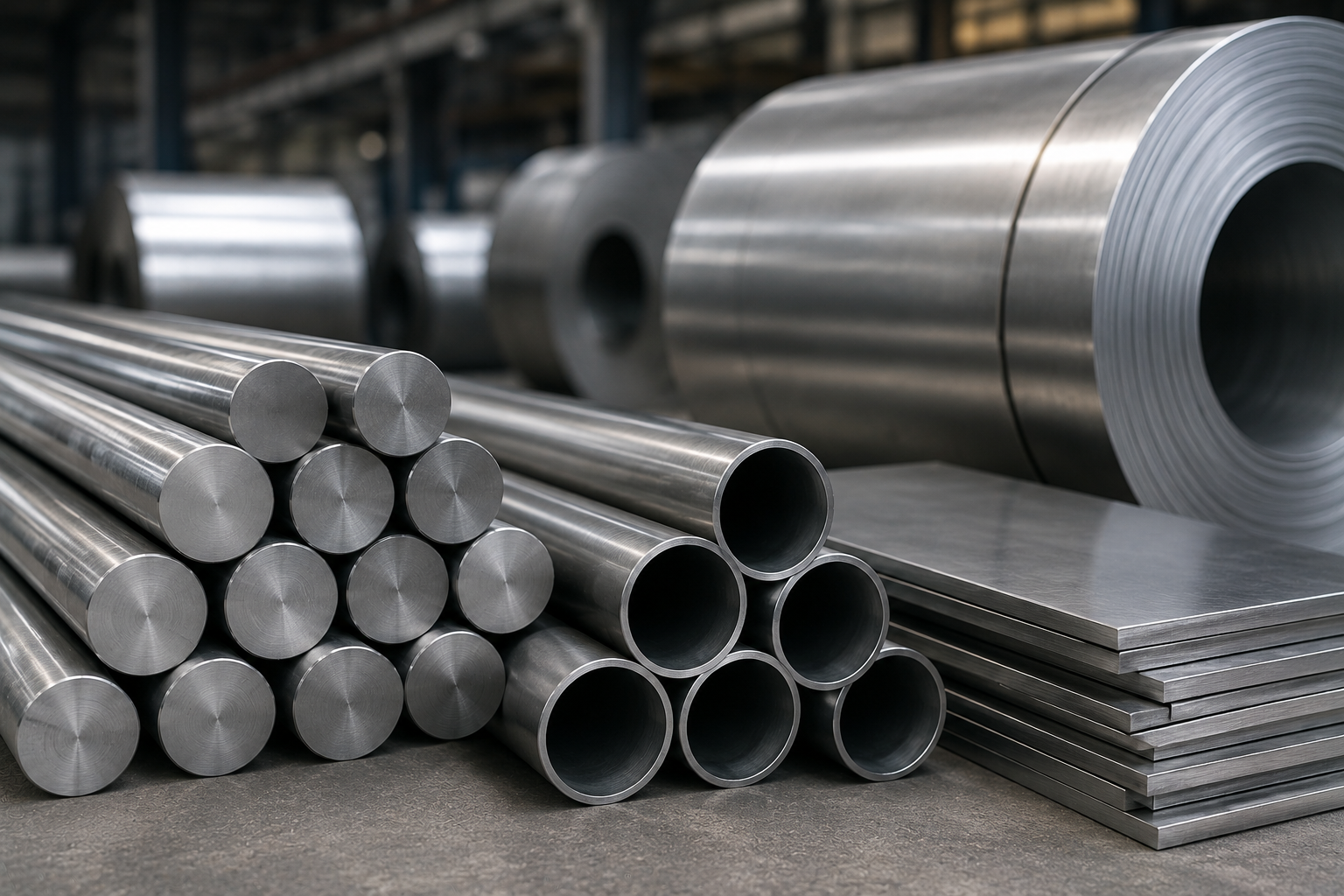
Monel Price Trend Q1 2026: China and India Rates Compared
Monel prices moved again in June 2026, and the numbers are worth sitting with for a minute. China's Monel is quoted at USD 25,976.63 per metric ton, FOB. India's landed cost comes in at USD 26,064.63 per metric ton, CIF. That's an USD 88.00 gap. Small on the surface. Not so small once you're buying in bulk.
Monel isn't a commodity most people think about day to day. It's a nickel copper alloy, prized for corrosion resistance, used heavily in marine hardware, chemical processing equipment, and valves that need to survive harsh environments. When Monel prices shift, fabricators and equipment manufacturers feel it fast, often before the broader metals market even notices.
Current Monel Prices: China vs India
Numbers first.
| Product | Region | Incoterm Basis | Price | Last Updated |
|---|---|---|---|---|
| Monel | China | FOB | USD 25,976.63/MT | June 2026 |
| Monel | India | CIF | USD 26,064.63/MT | June 2026 |
USD 88.00 separates the two. Not huge in percentage terms, but on a full container order, that adds up quick.
A few points before anyone draws conclusions from this table:
- China's price is FOB, meaning it covers the cost of the goods loaded onto the vessel at origin, nothing beyond that.
- India's price is CIF, so freight and insurance to the destination port are already folded in.
- Both figures reflect June 2026. Nickel alloy pricing shifts fast, so treat this as a moment in time, not a fixed rate.
FOB and CIF aren't really comparable line to line. Part of that USD 88.00 spread is simply the shipping and insurance cost baked into India's number. Still a useful reference point though, especially for buyers trying to figure out landed cost before they commit to a supplier.
What's Actually Moving Monel Prices Right Now
Nickel is the story here. Monel is roughly two thirds nickel, so whatever nickel does, Monel follows close behind. LME nickel volatility has been a headache for alloy buyers all year, and June was no exception.
Copper plays a smaller but real role too. Monel typically runs around 30 percent copper, and copper's had its own supply pressures lately, particularly out of major mining regions dealing with labor disruptions and export delays.
Then there's energy cost. Smelting and alloying nickel and copper takes serious power. Regions with cheaper industrial electricity, China included, tend to hold a production cost edge that shows up directly in the FOB quote.
Freight matters more for India's number specifically. Longer shipping routes, port handling fees, insurance premiums that fluctuate with global shipping risk. All of it stacks into that CIF figure and explains a good chunk of why India runs higher than China.
Quick Questions Buyers Are Asking
Is the China India gap normal for Monel, or is this new?
Pretty normal, honestly. FOB versus CIF pricing almost always shows a gap like this. Freight and insurance costs don't disappear just because a buyer wishes they would.
Should buyers expect Monel prices to climb through Q1 2026?
Depends heavily on where nickel goes. If LME nickel keeps climbing, Monel follows. No way around that relationship given how much nickel content sits in the alloy.
Does the June 2026 price reflect what's available today?
Not necessarily. Alloy pricing moves week to week sometimes. Anyone locking a contract should confirm current rates rather than working off a month old snapshot.
What This Means for Buyers and Fabricators
China's FOB price looks cheaper at first glance, and often it is, once freight gets added the comparison changes. Buyers need to run the full landed cost calculation, not just compare the headline numbers side by side.
Fabricators working with marine or chemical processing clients should watch this trend closely. Monel components often get specified months in advance. A price swing now can wreck a quote that was locked in based on older numbers.
Procurement teams sourcing from India directly avoid some freight uncertainty since the CIF price already accounts for shipping. That predictability has value even if the sticker price runs a bit higher than China's FOB figure.
Investors tracking specialty alloys should note that nickel exposure is really the underlying bet here. Monel pricing is, in a lot of ways, just nickel and copper pricing with alloying costs layered on top.
Looking Ahead: Q1 2026 Outlook
Hard to call this one with certainty. Nickel markets have been choppy, and that choppiness typically bleeds straight into alloy pricing like Monel's.
What seems reasonably likely is that the China India spread holds in a similar range through Q1 2026, assuming freight rates don't spike unexpectedly. If shipping costs jump, expect that gap to widen further rather than close.
Buyers should build in some cushion when budgeting for Monel purchases this quarter. Locking a fixed price contract now, based on June figures, carries some risk if nickel keeps trending upward.
Conclusion
The Monel price trend for June 2026 puts China at USD 25,976.63 per metric ton FOB and India at USD 26,064.63 per metric ton CIF. That USD 88.00 gap comes down to freight, insurance, and the different cost basis each figure represents. For buyers, fabricators, and investors watching nickel alloy markets, this comparison offers a real starting point, just don't treat it as fixed. Confirm current pricing before committing to anything.
FAQ Section
What is the current Monel price trend in China and India?
As of June 2026, China's Monel sits at USD 25,976.63/MT FOB, while India's runs USD 26,064.63/MT CIF. The USD 88.00 difference mostly reflects freight and insurance costs built into India's landed price, since FOB and CIF aren't directly equivalent.
Why is Monel priced differently between China and India?
Different incoterm basis explains most of it. China's FOB figure stops at the port of origin. India's CIF price includes shipping and insurance to the destination. Regional smelting costs and energy pricing add a smaller but real influence too.
What drives Monel prices the most?
Nickel content, mainly. Monel runs roughly two thirds nickel, so LME nickel swings hit Monel pricing directly. Copper content, energy costs for alloying, and freight rates round out the rest of the picture, though nickel remains the dominant factor by far.
How often do Monel prices change?
Fairly often. Nickel alloy pricing can shift weekly depending on LME movements and copper market conditions. The June 2026 figures here are a solid reference point, but buyers negotiating contracts should always pull current rates rather than relying on older data.
What's the outlook for Monel prices in Q1 2026?
The China India gap likely holds through Q1 2026 barring a major freight rate spike. Nickel market volatility remains the biggest wildcard, and any sustained upward move in nickel will push Monel pricing higher across both regions.
Categories
Read More
Virtual reality (VR) is an immersive digital technology that allows users to interact with simulated environments using specialized hardware such as head-mounted displays, motion controllers, and tracking sensors. By creating three-dimensional virtual spaces, VR technology enables users to experience realistic digital environments and engage with content in highly interactive ways. This...

Diablo 4 is at its best on a sofa, with two controllers, a pile of snacks, and one shared screen full of demons. Supported console editions allow two-player local co-op, while the computer edition does not provide same-screen play. You'll still need an internet connection and separate console and game profiles, so sort out the account setup before spending your evening comparing D4 Gold...

A new growth forecast report titled Phase-Transfer Catalyst Market Size, Share, Trends, Industry Analysis Report By Type (Ammonium Salts, Potassium Salts, Others), By End Use, and By Region – Market Forecast, 2025–2034 introduced by Polaris Market Research represents conclusive data on the overall market. It majorly targets to provide a detailed analysis of growth factors,...

A bridal look in saree is considered one of the major fashioning moments in a lady's life journey. Gulbhahar fathoms this incidence very well, and thus, has brought an exclusive collection designed for brides. Crafting the ideal Bridal Look In Saree requires attention to quality, design, and aesthetic appeal of the fabric. Our curated selection ensures every bride finds a saree...

The streaming landscape quakes as Netflix confirms its acquisition of Warner Bros., sending shockwaves through global entertainment circles. Reactions paint a deeply divided picture, ranging from profound despair to cautious optimism. Warner Bros. Discovery staff grapple privately with the news, some voicing dismay while others seek clarity. International studio executives acknowledge...