


What is an AI medical scribe and how does it work?
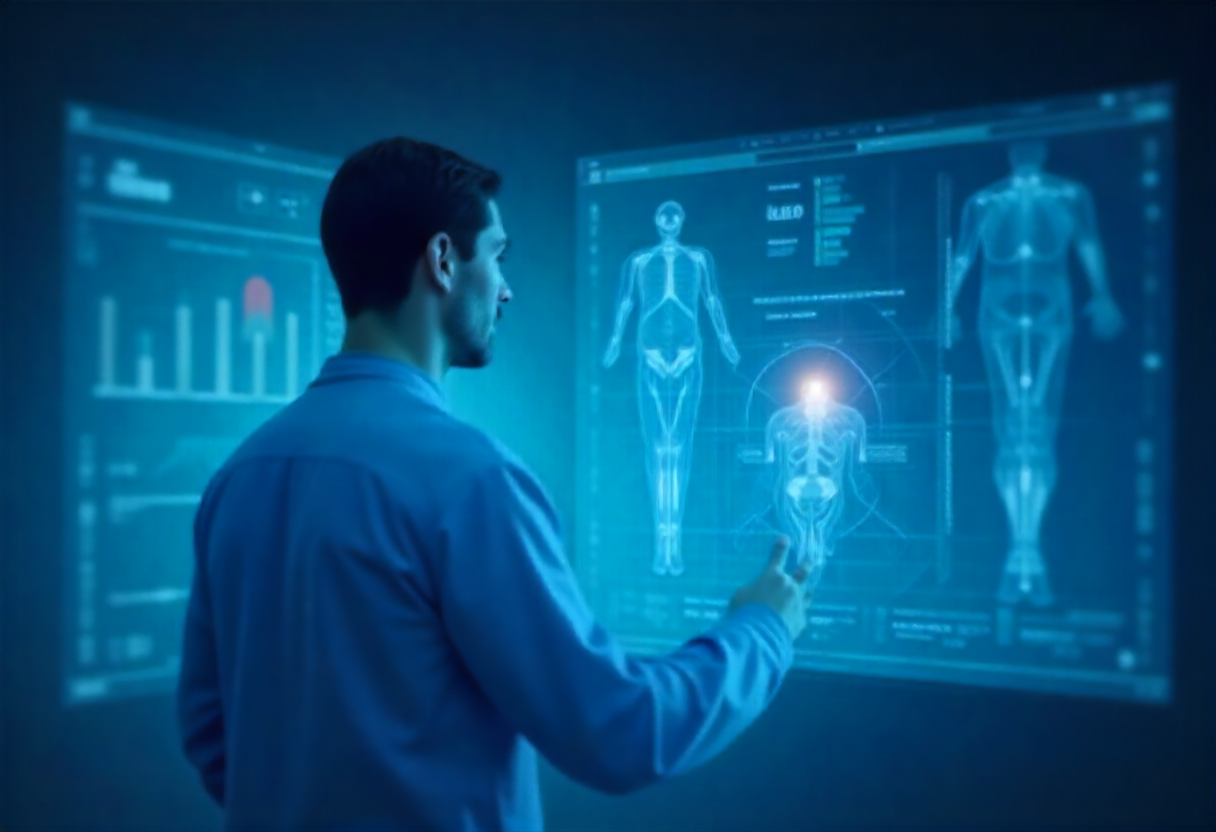
Clinical documentation has long been one of the heaviest administrative burdens in modern healthcare. Physicians and healthcare providers spend countless hours every day typing patient interactions into electronic health record systems. This administrative burden leads to clinical fatigue, burnout, and reduced face-to-face interaction during patient visits. Modern healthcare technology offers a transformative solution through ambient automated documentation tools designed to streamline clinical workflows.
At its core, an ai medical scribe is an intelligent ambient software application that listens to natural doctor-patient conversations and automatically transforms them into structured clinical notes. Instead of typing during exam room visits or spending hours charting after clinic hours, clinicians can focus entirely on delivering compassionate patient care. The ambient system quietly records consultation speech, extracts relevant medical terms, filters out non-clinical conversation, and creates accurate documentation ready for review.
Core technology behind an AI medical scribe
The continuous evolution of artificial intelligence has enabled sophisticated natural language processing models tailored specifically for medical environments. Understanding the underlying technology helps clinicians appreciate how ambient documentation systems maintain high accuracy across complex clinical encounters.
Speech recognition in an AI medical scribe
Automatic speech recognition technology serves as the primary gateway for converting spoken audio into digital text during a patient visit. Advanced acoustic models are trained on diverse medical accents, complex specialized terminology, and fast-paced conversational speech patterns. This ensures that complex drug names, anatomical terms, and clinical conditions are captured accurately without requiring the physician to speak slowly or use rigid dictation commands.
Natural language processing in an AI medical scribe
Once speech is converted to raw text, natural language processing models analyze the contextual meaning of the consultation. The ambient software identifies key clinical facts, separates patient symptoms from historical background, and categorizes information into logical clinical sections. The intelligence engine automatically removes casual greetings, small talk, and non-medical discussions to keep notes focused, professional, and concise.
Step-by-step workflow of an AI medical scribe
Integrating an ambient documentation assistant into daily practice requires minimal adjustment to a physician's natural consultation habits. The step-by-step operational flow ensures seamless documentation generation from patient greeting to finalized note filing.
Recording the consultation with an AI medical scribe
-
The physician opens the secure mobile or desktop application and initiates ambient recording with a single click before entering the exam room.
-
The clinician conducts a natural, uninterrupted consultation with the patient, discussing symptoms, medical history, physical exams, and treatment plans.
-
The ambient audio engine processes spoken dialogue continuously in real time, securely capturing both provider and patient voices.
-
Upon completing the visit, the clinician ends the session, triggering the clinical intelligence model to generate structured documentation instantly.
Generating clinical documentation with an AI medical scribe
-
Extracting clinical facts: The system isolates key medical details including chief complaints, history of present illness, vital signs, and medication updates.
-
Structuring SOAP notes: Information is formatted automatically into standardized subjective, objective, assessment, and plan categories.
-
Refining specialty templates: Documentation adapts dynamically to specific medical specialties, whether primary care, cardiology, or mental health.
-
Clinician review and export: The provider reviews the draft, makes minor edits if necessary, and copies the finalized note into the electronic medical record system.
Primary clinical benefits of an AI medical scribe
Adopting automated ambient documentation yields immediate improvements in clinical efficiency, documentation quality, and overall job satisfaction for healthcare providers.
Reducing clinician burnout with an AI medical scribe
Administrative documentation burden remains a leading cause of career dissatisfaction and mental exhaustion among modern healthcare professionals. By automating note generation, clinicians save between one and three hours of charting time every single day. Eliminating after-hours documentation allows doctors to reclaim personal time, maintain healthy work-life balance, and focus on sustainable long-term practice.
Improving patient interactions with an AI medical scribe
When doctors spend visits typing into computers, eye contact suffers and patients can feel ignored or rushed. An ambient transcription system allows physicians to sit comfortably face-to-face with patients without computer screens acting as physical barriers. Stronger human connections foster trust, improve diagnostic communication, and boost overall patient satisfaction scores across clinical practices.
Conclusion on the value of an AI medical scribe
Implementing automated documentation technology fundamentally transforms how clinical care is delivered and documented in modern medical practices. By capturing real-time conversations and converting them into structured clinical records, healthcare providers significantly reduce charting hours while enhancing patient engagement. Embracing ambient documentation tools empowers physicians to focus on compassionate healing rather than endless administrative paperwork.
Categorias
Leia mais
The Prisoner boss can be found deep within the ruins of the abandoned prison, an unsettling remnant of the empire's neglect. This location serves as a pivotal point in Act 4, marking a significant challenge for players progressing through Path of Exile 2. As you venture into this forsaken area, you'll encounter a complex environment filled with dangerous traps and eerie silence, setting the...

The online sports betting and casino industry has never been more competitive. Every day, entrepreneurs face a critical decision: should they build their betting platform using a 1XBet Clone Script or invest in developing a native European betting solution from scratch? This question isn't about choosing between two random options—it's about understanding which path actually delivers real...

"Mining Vehicle AC Kits Market Summary: According to the latest report published by Data Bridge Market Research, the Mining Vehicle AC Kits Market The global mining vehicle AC kits market size was valued at USD 1.59 billion in 2025 and is expected to reach USD 2.13 billion by 2033, at a CAGR of 3.70% during the forecast period With a full devotion and...
The North America anti-acne products market is a highly developed and innovation-driven segment of the global skincare industry, supported by strong consumer awareness, advanced dermatological infrastructure, and widespread availability of over-the-counter (OTC) as well as prescription-based acne treatment solutions. The region, led by the United States, continues to dominate demand...
Trong thời đại công nghệ số phát triển mạnh mẽ, nhu cầu giải trí trực tuyến ngày càng trở nên phổ biến. Người dùng hiện nay không chỉ tìm kiếm những trò chơi hấp dẫn mà còn quan tâm đến sự an toàn, tốc độ và trải nghiệm sử dụng. C168 là một trong những nền tảng giải trí trực tuyến...