


Revolutionizing Learning: A Comprehensive Overview of the AI in Education Industry

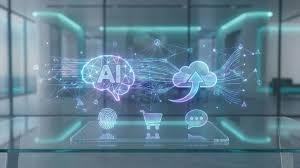
The traditional one-size-fits-all model of education is undergoing a profound and necessary transformation, driven by the integration of artificial intelligence. The burgeoning AI in Education industry is at the forefront of this revolution, offering a suite of tools and platforms designed to create more personalized, efficient, and accessible learning experiences for students across the globe. This shift moves beyond simply digitizing textbooks; it involves leveraging sophisticated algorithms to understand individual learning patterns, strengths, and weaknesses. By analyzing how a student interacts with content, AI can tailor curricula in real-time, providing extra support where needed or introducing more advanced concepts to those who are ready. This data-driven pedagogy promises to address long-standing challenges in education, such as large class sizes and diverse learning needs, by providing every student with a virtual tutor and a customized educational journey. The ultimate goal is to empower educators, enhance student engagement, and unlock the full potential of every learner, marking a new era where technology serves as a powerful partner in the pursuit of knowledge and skill development.
Core Technologies Shaping the Future of Learning
At the heart of the AI in education revolution are several key technologies that enable this new level of personalization and efficiency. Machine learning (ML) is the most fundamental, with its algorithms powering the adaptive learning platforms that are becoming a cornerstone of the industry. These ML systems analyze vast datasets of student performance to identify patterns and predict which learning materials or teaching strategies will be most effective for an individual. Natural Language Processing (NLP) is another critical component, enabling computers to understand, interpret, and generate human language. This technology is used to create intelligent tutoring chatbots that can answer student questions 24/7, grade essays and written assignments with remarkable consistency, and provide instant feedback on language and grammar. Computer vision is also making inroads, particularly in areas like remote proctoring to ensure academic integrity during online exams, and in creating interactive augmented reality (AR) experiences that can bring complex subjects like biology or engineering to life. Together, these technologies form the technical bedrock upon which personalized, data-informed, and engaging educational experiences are being built for the 21st-century learner.
Key Applications Transforming Educational Practices
The application of these AI technologies is manifesting in several transformative ways within the educational ecosystem. The most prominent application is the development of Personalized Learning Paths. Unlike a static curriculum, AI-powered systems can dynamically adjust the difficulty, pace, and style of content delivered to each student based on their real-time performance and engagement, ensuring they are always optimally challenged. Intelligent Tutoring Systems (ITS) act as one-on-one virtual mentors, providing step-by-step guidance, hints, and targeted feedback as students work through problems, effectively replicating the benefits of a personal tutor at scale. For educators and administrators, AI is a powerful tool for automation. It can automate time-consuming administrative tasks such as grading multiple-choice tests and even complex written assignments, freeing up valuable teacher time to focus on higher-value activities like mentoring students and facilitating in-depth class discussions. Furthermore, AI is even being used for smart content creation, helping to design and develop customized digital lesson plans, textbooks, and interactive learning modules that can be adapted to different learning styles and curricula, ensuring content remains relevant and engaging.
The Broader Impact on Students and Educators
The integration of AI into the educational landscape promises a profound impact on all stakeholders. For students, the primary benefit is a more engaging and effective learning experience. Personalized learning paths can help close knowledge gaps for struggling students while providing advanced challenges for high-achievers, reducing both frustration and boredom. The immediate, non-judgmental feedback provided by AI systems can build confidence and encourage a growth mindset, where students see mistakes as learning opportunities. The accessibility of AI-powered tools also promotes equity, providing supplemental support to students who may not have access to private tutors or additional resources outside of school. For educators, AI acts as a powerful assistant, not a replacement. By automating administrative burdens, it reduces workload and burnout, allowing teachers to dedicate more time and energy to the uniquely human aspects of teaching: fostering creativity, critical thinking, and social-emotional development. The rich analytics provided by AI platforms also give teachers unprecedented insight into class-wide and individual student performance, enabling early intervention and more effective instructional strategies.
Explore More Like This in Our Reports:
Categorías
Read More
State Court Starting Point Many Virginia misconduct allegations begin in state courts because the claims arise under state statutes, local procedures, or conduct occurring within a particular jurisdiction. Judges review filings, motions, and factual records to determine how the matter should proceed. Parties may address questions involving employment actions, professional conduct, or public...

A quiet revolution is unfolding within the technological corridors of Houston. What was once a city primarily recognized for energy and industrial prowess is now morphing into a fertile ground for digital ingenuity. At the heart of this transformation lies Houston app development, an evolving discipline that is no longer confined to writing lines of code but is instead orchestrating entire...
A Floating Ball Valve Factory specializes in manufacturing valves designed to control fluid flow efficiently and reliably in pipelines. Floating ball valves are widely used in industries such as water treatment, chemical processing, oil and gas, and HVAC systems. The term “floating” refers to the valve's ball being held in place by the downstream seat, allowing it to move...
Maintaining a healthy and confident smile starts with choosing the right Dentist Anaheim Hills CA who understands your unique dental needs and provides personalized care. Oral health is not just about appearance—it plays a crucial role in overall well-being. At Dr. Jack Ringer, patients receive comprehensive dental services designed to promote long-term oral health while ensuring comfort...

According to the latest report published by Data Bridge Market Research, the Virtual Pipeline Systems Market The global virtual pipeline systems market size was valued at USD 1.57 billion in 2024 and is expected to reach USD 2.48 billion by 2032, at a CAGR of 5.92% during the forecast period Virtual Pipeline Systems Market report contains most-detailed market segmentation,...
