


Building a Smarter Security Operations Model with Agentic AI
As cyber threats become faster, more complex, and increasingly AI-driven, traditional Security Operations Centers (SOCs) face growing pressure to manage alert volumes, investigate incidents, and respond quickly. CyberProof’s vision for the next generation of security operations focuses on moving beyond fixed automation toward intelligent, collaborative AI agents that can work alongside human analysts.
At the center of this approach is the Agentic SOC, where specialized AI agents can perform tasks such as threat intelligence profiling, threat hunting, detection engineering, security automation, reporting, and asset discovery. Rather than relying solely on predetermined playbooks, these agents can analyze context, collaborate across workflows, and support faster decision-making. Human analysts remain involved to provide oversight, validate important decisions, and manage complex situations.
CyberProof’s framework is designed to improve several areas of cybersecurity operations, including faster threat detection and investigation, greater consistency, proactive threat defense, and scalable security management. The company reports that its production deployments have demonstrated significant improvements in detection speed and reductions in manual errors, highlighting how AI-powered security operations can help teams manage growing workloads without proportionally increasing staff.
A major part of the vision is creating a connected ecosystem rather than another isolated security tool. CyberProof’s architecture can integrate its own AI agents with hyperscaler, third-party, and customer-developed agents. This supports a more flexible AI-powered SOC that can adapt to different technology environments, security requirements, and business priorities.
The long-term goal is also to evolve from human-in-the-loop operations toward human oversight, where agents manage routine detection, investigation, and response activities while security professionals concentrate on exceptions, strategic decisions, and optimization. Strong governance and safeguards remain essential, particularly for high-impact actions such as endpoint isolation, account changes, and security-rule modifications.
Categorii
Citeste mai mult
Quick Summary: A family floater premium is calculated mainly based on the eldest member's age, the sum insured chosen, the number of people covered, their city of residence, and any pre-existing conditions. It rises at renewal mainly due to new members, medical inflation, or a claim made during the year. Medical bills in India are not getting any easier. Inflation in healthcare...

Introduction Building a simple self-care routine can make a noticeable difference in how you look and feel every day. Healthy hair and good personal hygiene are not achieved through occasional care but through consistent habits that support overall well-being. From choosing suitable hair care products to maintaining proper hand hygiene, small daily actions help protect your body while...

If you're playing Aion 2, chances are you’re going to need a lot of items—whether it’s gear, materials, or Kinah (the in-game currency). Whether you’re a new player or someone who’s been around for a while, there’s always room to get better at farming and make the grind more efficient. Below are some of the best strategies and tips for item farming in Aion 2,...

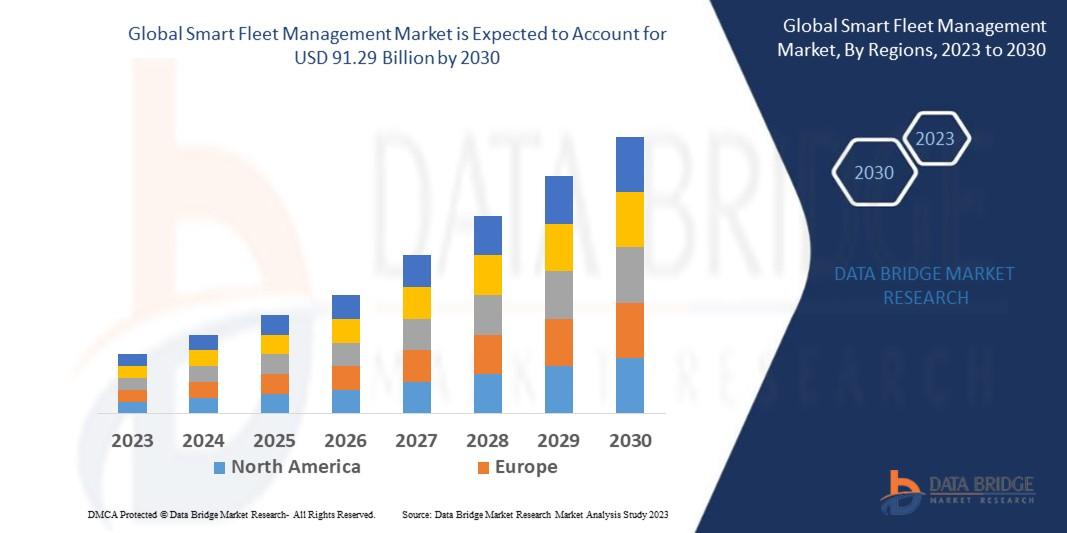
The Smart Fleet Management Market has emerged as one of the fastest-growing segments within the automotive and transportation industries. As fleets across logistics, construction, public transport, retail distribution, and industrial operations embrace digital transformation, smart fleet solutions are becoming mission-critical. These intelligent systems—powered by IoT, AI,...
The digital economy has changed the way businesses grow, communicate, and attract customers. From startups to multinational companies, organizations now rely heavily on digital platforms to build their brand presence and generate revenue. As a result, the demand for skilled professionals in SEO, social media marketing, paid advertising, content strategy, and analytics continues to rise...