The Synergistic Power of Life Sciences and Clinical Research Consulting
The journey from a promising molecular discovery to a life-saving therapy on the pharmacy shelf is a monumental feat of science, logistics, and strategy. It is a high-stakes endeavor where missteps in planning, regulatory navigation, or operational execution can cost millions and, more importantly, delay patient access to critical treatments. In this complex ecosystem, two specialized consulting disciplines have emerged as indispensable guides: life sciences consulting and clinical research consulting. While distinct in their focal points, their integration creates a powerful, synergistic force that de-risks development and optimizes the entire product lifecycle.
Bridging the Strategic with the Operational
At its core, life sciences consulting operates at the strategic and commercial zenith of the industry. Consultants in this field work with biopharma and medtech executives to answer fundamental questions: What disease areas should we invest in? What is our optimal market entry strategy? How do we build a sustainable commercial model? They analyze market trends, competitive landscapes, and pipeline viability to shape the overarching corporate and portfolio strategy.
Conversely, clinical research consulting is deeply operational and execution-oriented. These experts dive into the granular details of clinical trial design, site selection, patient recruitment strategies, data management plans, and regulatory submission tactics. Their goal is to translate a protocol into a feasible, efficient, and compliant study that generates robust data for regulatory approval.
The true magic happens when these two domains are not siloed. An integrated consulting approach ensures that the strategic vision set at the corporate level is perfectly aligned with the operational realities of clinical development. A life sciences consultant might identify a lucrative opportunity in oncology, but without the early input of a clinical research consultant on trial feasibility, patient population scarcity, or evolving regulatory endpoints, that strategy could be built on unstable ground.
Strategic Portfolio Planning Informed by Clinical Reality
One of the most critical intersections is in portfolio prioritization. A life sciences strategy consulting engagement might recommend divesting from a mature therapeutic area to fund a novel gene therapy platform. This strategic shift must be immediately pressure-tested through a clinical development consulting lens. Consultants can evaluate the proposed clinical pathways for the new asset, assessing the complexity of trial design, the availability of clinical endpoints, the competitive trial landscape for patient recruitment, and the regulatory precedent.
This upfront alignment prevents catastrophic mid-course corrections. It ensures that resources are allocated not just to the scientifically exciting projects, but to those that are clinically executable within a viable timeline and budget. It transforms portfolio management from a financial exercise into a holistic development roadmap.
Optimizing Trial Design for Regulatory and Commercial Success
The design of a Phase III trial is not merely a scientific question; it is a commercial one. Clinical research consultants are masters at designing trials that meet stringent regulatory standards for safety and efficacy. However, integrating life sciences consulting principles means also designing trials for market success.
This involves considering Health Economics and Outcomes Research (HEOR) endpoints from the outset. Will the trial collect the real-world evidence and quality-of-life data needed to demonstrate value to payers? Life sciences consultants with expertise in market access can guide the integration of these endpoints into the protocol, ensuring the resulting data package is powerful not just for the FDA, but for negotiations with health plan solutions.
Furthermore, in the era of personalized medicine, trial design must consider diagnostic strategy and companion diagnostic development—areas where life sciences consulting (often involving medical technology solution partners) is crucial. An integrated team can design a trial that concurrently validates both the therapeutic and its associated diagnostic, streamlining the path to a commercially viable, targeted therapy.
Building a Resilient and Agile Development Organization
Beyond individual projects, the confluence of these consulting practices is essential for building organizational capability. Life sciences consulting can help design a target operating model for R&D, defining optimal organizational structures, governance, and processes. Clinical research consulting then brings this model to life, implementing the detailed standard operating procedures (SOPs), technology platforms, and training programs needed for execution.
This is particularly vital for navigating global trials. A life sciences consultant may advise on geographic expansion strategy, while the clinical research consultant manages the intricacies of running studies across diverse regulatory jurisdictions, cultures, and healthcare systems. Together, they build a development engine that is both strategically focused and operationally resilient.
Conclusion: An Integrated Imperative
The bifurcation between high-level strategy and ground-level execution is a luxury the modern life sciences industry can no longer afford. The accelerating pace of science, increasing regulatory complexity, and intense cost pressures demand a seamless, informed approach from pipeline to patient.
The combined force of life sciences consulting and clinical research consulting provides this essential integration. It ensures that every strategic decision is grounded in clinical reality and that every operational plan advances a broader commercial vision. For companies seeking to innovate efficiently and bring transformative therapies to market faster, this synergistic partnership is not just an advantage—it is an imperative. By breaking down the silos between strategy and execution, consulting empowers the life sciences industry to fulfill its ultimate mission: improving human health.
Kategoriler
Read More
If you want more people to find your business online, a Search Engine Optimization Company can help. Good SEO improves your Google rankings, brings more visitors, and turns clicks into real customers. It is one of the smartest ways to SEO Optimization Company grow online without paying for every visitor. Many businesses build websites and then wait like a cat staring at a closed fridge....

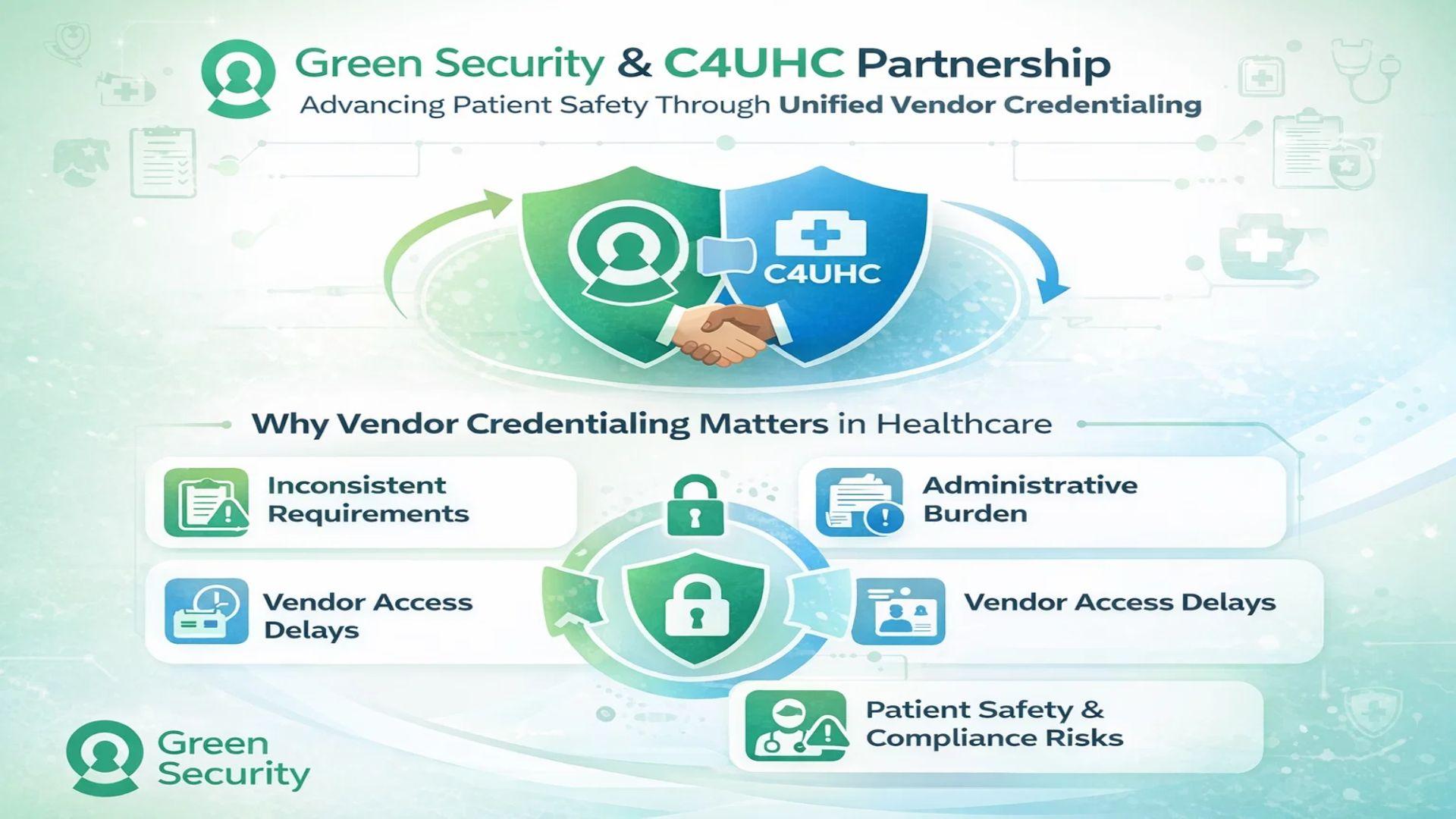
The healthcare industry is taking a major step toward safer, more efficient operations with the strategic collaboration between Green Security and Consortium for Universal Healthcare Credentialing (C4UHC). This partnership is designed to streamline vendor credentialing processes while strengthening patient safety across the United States. Announced on March 9, 2026, this initiative marks a...
Polaris Market Research has introduced the latest market research report titled Automotive Coatings Market Size, Share, Trends, Industry Analysis Report: By Product (Primer, E-coat, Basecoat, Clearcoat), Technology, Application, End Use, Region – Market Forecast, 2025–2034 that highlights the major revenue stream for the forecast period. The report contains clear,...

Netflix has unveiled an exciting new project featuring a powerhouse cast and creative team. The upcoming film stars Jennifer Aniston portraying the President of the United States, alongside Tig Notaro as the First Lady. This political comedy is a collaborative creation, penned by Notaro and Stephanie Allynne, inspired by their original concept. The storyline centers around the nation's first...

In recent years, skincare routines in Pakistan have evolved dramatically, and one product that stands out among beauty enthusiasts is the best vitamin c serum. This essential skincare product has become a staple for individuals looking to achieve glowing, youthful, and even-toned skin. With the country’s diverse climate and varying skin types, using the right serum can make a visible...