


Best Shoe Rack for Home in India (2026): Sizing, Steel & the New BIS Rules

A shoe rack is an essential storage solution for keeping footwear organised and reducing clutter around the entrance of an Indian home. With households owning different types of footwear and apartment space becoming increasingly valuable, choosing the right rack requires attention to size, material, ventilation, security and durability.

For 2026, the guide recommends choosing a shoe rack that is slightly larger than your current footwear collection. A powder-coated mild-steel rack with ventilation, a lock and a warranty can be a practical option. For many families, a 4-door model with storage for approximately 12–15 pairs provides a useful balance between capacity and space.
Why Do You Need a Dedicated Shoe Rack?
Indian households are purchasing more footwear. Average footwear consumption in India is projected to reach around two pairs per person in 2026, while the country's footwear market is expected to move toward four billion pairs annually by 2030.
Modern households may have sports shoes, office footwear, slippers, sandals, monsoon footwear and traditional footwear for different occasions. Without dedicated storage, these pairs can quickly accumulate near the entrance.
A dedicated shoe rack gives footwear a fixed location. It can help keep dirt and dust organised in one area and make routine sweeping and mopping easier. Closed and ventilated storage can also help protect footwear from damp floors while keeping the entrance more organised.
How Can a Shoe Rack Reduce Home Clutter?
The guide highlights research linking household clutter with lower mental wellbeing and life satisfaction.
A UCLA study found an association between descriptions of greater household clutter and flatter daily cortisol slopes. The guide also distinguishes this finding from the commonly repeated claim that clutter directly "raises cortisol by 30%." The research reported an association rather than a simple percentage increase.
Organising footwear is therefore a practical way to reduce one visible source of clutter. A dedicated storage area can make the entrance look cleaner and easier to manage.
Why Choose a Wall-Mounted Shoe Rack?
Space is an important consideration for Indian apartments. The guide discusses the "loading factor," which represents the difference between a property's super-built-up area and usable carpet area.
According to the document, a 40% loading factor has become common compared with approximately 30% previously. In Mumbai, around 57% of a flat's super-built-up area may be usable carpet space.
When floor space is limited, wall-mounted storage can be useful. A wall-mounted shoe rack keeps the storage unit above the floor, leaves more space underneath and can make sweeping and mopping easier.
It can also work particularly well in narrow entrance corridors.
Freestanding cabinets remain useful when sufficient floor space is available. Open shelves can provide ventilation, while shoe benches can combine seating with storage, although they generally offer less storage capacity.
Which Shoe Rack Material Is Best?
The material of a shoe rack affects its durability, maintenance and suitability for different environments.
Powder-Coated Mild Steel
Powder-coated mild steel is presented as the preferred all-round option. It offers durability and can resist rust when properly coated, making it suitable for humid Indian conditions. The quality of the powder coating is important because a properly baked finish can be more durable than ordinary paint.
Solid Wood
Solid wood provides strength and a premium appearance. However, it is generally more expensive and requires maintenance.
Engineered Wood or MDF
Engineered wood and MDF can offer a furniture-style appearance at a lower price. However, moisture can cause these materials to swell, making them less suitable for damp entryways.
Plastic
Plastic racks are lightweight, waterproof and affordable. However, they may not provide the same stability and long-term durability as stronger materials.
The guide also suggests considering the weight of a steel rack when specifications such as sheet gauge are not available. A heavier rack can indicate that more metal has been used in the construction.
The Equal models mentioned in the guide weigh 17.2 kg for the 3-door model, 21.2 kg for the 4-door model and 28.5 kg for the 5-door model.
What Shoe Rack Size Should You Choose?
Choosing the right capacity prevents both wasted space and overcrowding.
The guide provides the following approximate capacities:
- 2-door rack: 6–8 pairs
- 3-door rack: 9–12 pairs
- 4-door rack: 12–15 pairs
- 5-door rack: 15–18 pairs
For a family of three to four people, the 4-door rack is identified as the sweet spot.
A 5-door rack may be more appropriate for larger or joint families, hostels, offices and shops.
When deciding between two sizes, choosing the larger option can be beneficial. Extra storage capacity provides room for future footwear purchases and reduces the chance of overcrowding.
Seven Things to Check Before Buying
Before choosing a shoe rack, consider these seven factors:
1. Capacity: Count the footwear you currently own and allow additional room for future purchases.
2. Dimensions: Measure the available wall or floor space and make sure the rack's doors can open comfortably.
3. Material and finish: Powder-coated steel can be suitable for humid conditions and everyday use.
4. Ventilation: Ventilated doors or openings allow air circulation and can help reduce odour.
5. Lock and safety: A central locking system can help secure footwear and keep shoes away from small children.
6. Mounting: Wall-mounted racks can save floor space, while freestanding racks offer easier relocation.
7. Warranty and certifications: Consider manufacturers offering a multi-year warranty and recognised quality credentials.
What Are the New BIS-Related Rules in 2026?
The guide identifies India's Furniture Quality Control Order as an important development for furniture buyers.
Household storage units fall under IS 17634:2022. According to the document, enforcement began in February 2026 for medium and large manufacturers and importers, while micro and small enterprises received an extension until 13 August 2026.
For consumers, this makes it increasingly useful to consider established manufacturers that provide clear quality credentials and warranties.
The guide also recommends considering certifications such as CE marking and ISO 9001:2015 as additional indicators of manufacturing quality.
Final Verdict
The best shoe rack for an Indian home should provide the right combination of capacity, durability, space efficiency and practical features. The cheapest or most decorative option is not necessarily the best choice.
For many families, a wall-mounted, powder-coated mild-steel shoe rack with ventilation, central locking and a warranty is a practical all-round solution. A 4-door model with approximately 12–15 pairs of capacity is particularly suitable for families of three to four.
Before making a purchase, count your footwear, measure your available space and check the rack's material, ventilation, locking mechanism, mounting style, warranty and quality credentials. Choosing carefully can help ensure that your shoe rack remains organised, functional and useful for years.
Categorie
Leggi tutto
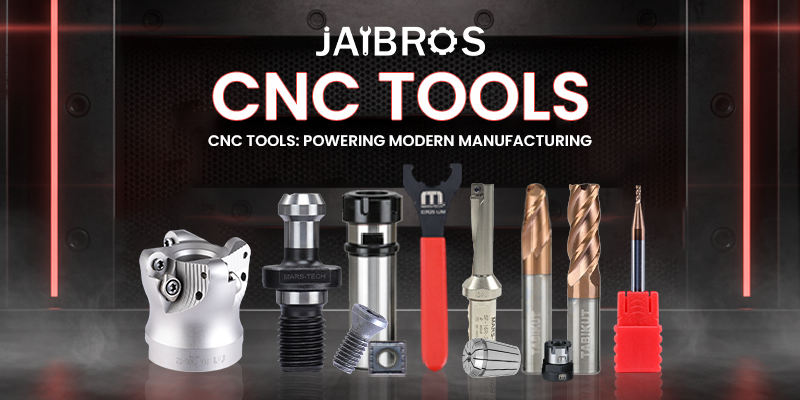
Discover durable and efficient CNC tools and accessories designed for precision, long-lasting performance, and affordability for every machining need. Top-Rated CNC Tools Supplier | Precision Engineering Equipment Jaibros stands out as a premier supplier and manufacturer of CNC tools in India, offering precision engineering equipment trusted by professionals and hobbyists nationwide. Their...
A clumsy lobby on a phone can lose a player before the first spin, which is why Cazeuscasino and other modern gaming platforms have had to rethink mobile-first design as more than a resized desktop page. The real challenge is not shrinking features to fit a small screen, it’s deciding which actions belong on a thumb-friendly interface and which details should stay available on larger...

"Lotus Leaf Extract Market Summary According to the latest report published by Data Bridge Market Research, the Lotus Leaf Extract Market The global lotus leaf extract market size was valued at USD 1.00 billion in 2025 and is expected to reach USD 3.05 billion by 2033, at a CAGR of 15.00% during the forecast period This Lotus Leaf Extract Market research...

Comprehensive Outlook on Executive Summary Food Testing, Inspection and Certification Market Size and Share CAGR Value The global food testing, inspection and certification market size was valued at USD 270.36 billion in 2025 and is expected to reach USD 412.10 billion by 2033, at a CAGR of 5.41% during the forecast period Food Testing, Inspection and Certification Market research...
The digital transformation of entertainment has reshaped how people engage with games of skill and strategy across the globe. In regions like the United Arab Emirates, the demand for sophisticated online experiences continues to grow as technology becomes more accessible and secure. discover-dubai recognizes this shift and highlights how digital platforms are redefining leisure activities for...
