ISO Training Courses: Building Professional Skills for Management Systems
Organizations across industries use ISO standards to improve processes, manage risks, strengthen performance, and demonstrate their commitment to recognized management practices. ISO Training Courses help professionals understand the requirements of different standards and develop practical skills for implementation, auditing, and continual improvement.
What Are ISO Training Courses?
ISO Training Courses are educational programs designed to help individuals understand and apply specific ISO standards. Depending on professional responsibilities, participants can choose awareness, foundation, implementation, internal auditor, or lead auditor training.
Popular courses include ISO 9001 for quality management, ISO 14001 for environmental management, ISO 45001 for occupational health and safety, ISO 27001 for information security, ISO 22000 for food safety, ISO 50001 for energy management, and ISO 22301 for business continuity.
These courses can be delivered through classroom, virtual instructor-led, or online learning formats.
Importance of ISO Training
Implementing an ISO management system requires employees to understand their responsibilities and the requirements relevant to their processes. Proper training helps organizations develop competent personnel who can support effective implementation and maintenance.
For professionals, ISO training provides an opportunity to develop specialized knowledge in quality, environmental management, occupational safety, information security, energy management, auditing, and compliance.
Training can also help participants understand how management systems are evaluated and how organizations can identify opportunities for improvement.
Types of ISO Training Courses
Different training levels are available to meet different professional requirements.
ISO Awareness Training
Awareness courses provide an introduction to the principles and requirements of a specific ISO standard. They are suitable for employees and managers who need a general understanding of the management system.
ISO Implementation Training
Implementation courses focus on establishing and maintaining a management system. Participants may learn about documentation, risk assessment, objectives, processes, monitoring, and improvement.
ISO Internal Auditor Training
Internal auditor courses teach participants how to plan and conduct internal audits. Topics generally include audit preparation, evidence collection, interviewing, nonconformity identification, reporting, and corrective action follow-up.
ISO Lead Auditor Training
Lead auditor courses provide more advanced auditing knowledge. Participants learn how to manage audit activities, coordinate audit teams, evaluate management systems, prepare audit reports, and follow up on corrective actions.
Who Should Attend ISO Training?
ISO training can benefit professionals from many different roles. Quality managers, environmental professionals, HSE personnel, IT and information security specialists, engineers, auditors, consultants, compliance officers, and management representatives can all benefit from appropriate training.
Employees responsible for implementing or maintaining management systems can also develop useful practical knowledge through specialized courses.
The right course depends on the participant's responsibilities, experience, career objectives, and the ISO standard relevant to their organization.
Benefits of ISO Training Courses
One of the primary benefits of ISO training is improved understanding of management system requirements. Participants can develop the knowledge needed to perform their responsibilities more effectively.
Organizations can benefit from trained employees who understand risk management, process controls, documentation, auditing, and continual improvement. Competent personnel can help identify weaknesses and contribute to more consistent implementation.
ISO training can also support professional development. Auditor and lead auditor programs may help professionals expand their career opportunities in auditing, consulting, compliance, and management systems.
Choosing the Right ISO Training Provider
Before enrolling in an ISO course, participants should consider the course syllabus, training duration, delivery format, trainer experience, practical exercises, assessment methods, and certification arrangements.
It is also useful to confirm whether examination and certification costs are included in the course fee. Professionals should select training that matches their experience level and specific career goals.
Online training can provide flexibility, while classroom programs may provide more opportunities for face-to-face interaction and practical activities.
Conclusion
ISO Training Courses provide valuable knowledge for professionals responsible for management systems, auditing, implementation, and compliance. Whether the objective is to understand an ISO standard, implement a management system, conduct internal audits, or develop lead auditor expertise, choosing the right training can make a significant difference.
With appropriate knowledge and practical skills, professionals can support effective management system implementation, identify improvement opportunities, strengthen organizational performance, and contribute to continual improvement across various business functions.
Categorias
Leia mais
Throughout history, symbols have played an important role in representing national pride, cultural heritage, and shared values. People often look for meaningful ways to celebrate the ideals of freedom, unity, and independence. Collectibles that represent these values allow individuals to express appreciation for their country while preserving memories and traditions for future...

Regenerative Blowers Market is supported by strong demand from sectors requiring clean and consistent airflow. Industries value equipment that can operate efficiently over extended periods. Regenerative blowers offer practical benefits including reliability and ease of maintenance. Technological advancements continue to improve product performance. Market participants are expanding their...

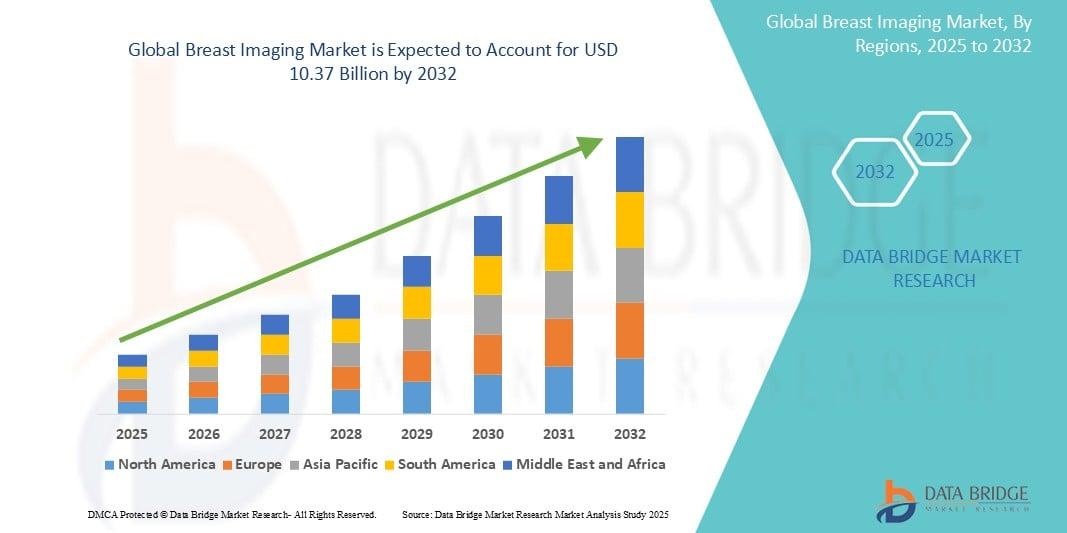
" Breast Imaging Market Summary: According to the latest report published by Data Bridge Market Research, the Breast Imaging Market The global breast imaging market size was valued at USD 5.21 billion in 2024 and is expected to reach USD 10.37 billion by 2032, at a CAGR of 8.97% during the forecast period This Breast Imaging Market research report...
The year 2026 is expected to be one of the most exciting years for sports enthusiasts worldwide. Football and cricket fans will witness some of the biggest international tournaments, featuring elite athletes, intense rivalries, and unforgettable sporting moments. With the FIFA World Cup 2026 attracting global attention and major cricket events keeping fans engaged throughout the year, sports...

Many healthcare providers struggle with claim denials, delayed reimbursements, and administrative overload. This is where medical billing services California play a crucial role in helping practices stay financially strong and focused on patient care. A professional medical billing services California provider helps streamline the entire revenue cycle, ensuring accurate billing, faster...