Nuts and Bolts Across Industrial Applications
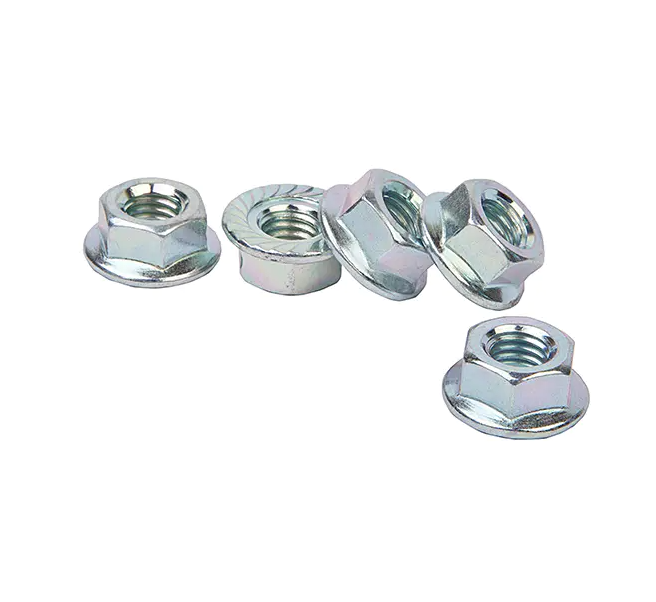
Nuts and bolts are fundamental components used to join materials in a wide range of structures and machines. Their simple form supports reliable connections that can be assembled, adjusted, and removed when necessary. This adaptability explains why nuts and bolts continue to be widely used across construction, manufacturing, and maintenance work.
In building projects, nuts and bolts help connect steel frames, support beams, and mechanical fixtures. These fasteners allow precise alignment during installation. Workers can adjust tension gradually, ensuring stability without damaging surrounding materials. The ability to control tightness adds flexibility during complex assembly processes.
Material selection influences performance. Nuts and bolts may be produced from carbon steel, stainless alloys, or treated metals depending on load and environmental conditions. Outdoor structures often rely on corrosion-resistant finishes to reduce wear over time. Choosing suitable materials supports long-term strength and consistent performance.
Thread compatibility remains critical. Matching thread patterns between nuts and bolts ensures proper engagement. Inconsistent threads can lead to uneven load distribution or loosening during vibration. Standardized thread systems simplify selection and reduce installation errors across projects.
Nuts and bolts also support maintenance efficiency. Equipment assembled with removable fasteners can be disassembled for inspection or repair. This design approach reduces downtime and extends service life. Maintenance teams often rely on familiar nut and bolt sizes to streamline tool usage.
Load distribution represents another key benefit. When properly installed, nuts and bolts distribute forces across joined components. This balance reduces stress concentration at single points. In dynamic environments, such as machinery or transport systems, this distribution supports operational stability.
Installation technique affects performance. Proper torque ensures secure connections without overstressing threads. Over-tightening can cause deformation, while insufficient torque may allow movement. Training and appropriate tools help maintain consistency during assembly.
In industrial environments, nuts and bolts support modular construction. Components connected through standardized fasteners can be replaced or upgraded individually. This modularity supports scalable systems and simplifies future modifications.
Environmental conditions influence design decisions. Nuts and bolts used in humid or high-temperature environments require specific coatings or alloys. These adaptations help maintain function under challenging conditions. Engineers evaluate exposure factors carefully during specification.
Nuts and bolts provide dependable solutions for joining materials. Their balance of strength, adjustability, and reusability makes them essential across industries. Though simple in appearance, nuts and bolts contribute significantly to structural integrity and operational efficiency.
Categorías
Read More
Travelling should be exciting, not stressful. However, for many people, the journey to the airport becomes the most frustrating part of the trip. Traffic delays, unreliable transport, heavy luggage, and timing concerns often create unnecessary anxiety before a flight even begins. Whether you are travelling for business or leisure, planning your airport transfer properly can make the entire...

Introduction Digestive health plays a vital role in overall well-being, influencing everything from metabolism to immunity. If you’re experiencing issues like acidity, abdominal pain, or liver problems, consulting a qualified gastroenterologist is essential. In Navi Mumbai, Terna Speciality Hospital & Research Centre stands out as a trusted healthcare destination offering advanced...

" According to the latest report published by Data Bridge Market Research, the Video and Voice Call Mobile VoIP Market CAGR Value The global video and voice call mobile VoIP market size was valued at USD 15.2 billion in 2024 and is projected to reach USD 65.79 billion by 2032, with a CAGR of 20.10% during the forecast period of 2020.1 to 2032. This world-wide Video and Voice...

Why Black Jackets Never Go Out of Style Black jackets have always been a symbol of elegance and versatility. When you shop a black jacket, you choose a piece that works with almost every outfit and suits all occasions. Its neutral tone makes it a reliable option for both casual and semi-formal looks. Versatility for Everyday Wear One of the biggest reasons to Shop black jacket is its...

Global Moisturizing Cream Market Outlook 2026-2033: Growth Trends and Industry Expansion The Moisturizing Cream Market is witnessing significant growth as consumers worldwide increasingly adopt skincare routines for hydration, anti-aging, and dermatological care. Valued at USD 14.07 Billion in 2025, the market is projected to reach USD 21.92 Billion...