Are Consulting Skills Becoming Essential for All Professionals?

The traditional boundary between consultants and other professionals is blurring rapidly. Today's workplace demands that nearly everyone, regardless of their job title, possess consulting capabilities. This shift raises an important question: are consulting skills truly becoming essential for all professionals, or is this just another passing trend?
The Changing Nature of Work
The modern workplace looks dramatically different from what it was just two decades ago. Companies operate with leaner teams, projects move faster, and organizational structures are flatter. In this environment, professionals at all levels need to solve problems, influence stakeholders, and drive change—all core consulting skills.
Gone are the days when employees simply executed tasks handed down from management. Today's professionals are expected to identify problems, develop solutions, and implement changes. This shift essentially means everyone is doing consulting work, whether that's their official title or not.
Why Organizations Value Consulting Capabilities
Businesses today face unprecedented complexity and change. Technology disrupts industries overnight, customer expectations evolve constantly, and competition comes from unexpected directions. Companies can't hire external consultants for every challenge they face—it would be too expensive and too slow.
Building Internal Consulting Capacity
Smart organizations recognize that developing consulting skills throughout their workforce creates competitive advantage. When employees can analyze situations, develop recommendations, and implement solutions, companies become more agile and innovative.
This internal capability means faster response times to challenges, better understanding of organizational context, and solutions that fit the company's unique culture and capabilities.
Consulting Skills Across Different Roles
While the specific application varies, consulting capabilities add value across virtually every professional role. Let's explore how these skills manifest in different contexts.
For Managers and Leaders
Managers increasingly function as internal consultants to their teams. They need to diagnose performance issues, develop improvement strategies, coach team members, and influence peers and senior leaders. These are fundamentally consulting activities, even if the job title is "manager" or "director."
Leaders who possess consulting skills facilitate better problem-solving within their teams, make more informed decisions, and drive organizational change more effectively.
For Technical Specialists
Engineers, data scientists, designers, and other technical specialists must translate their expertise into business value. This requires the ability to understand business problems, communicate technical concepts to non-technical audiences, and recommend solutions that balance technical excellence with business constraints.
Professionals at PedroVazPaulo Business Consultant exemplify how technical expertise combined with consulting skills creates exceptional value for organizations.
For Individual Contributors
Even entry-level professionals benefit from consulting skills. The ability to analyze problems systematically, present ideas persuasively, and collaborate effectively with diverse stakeholders makes any employee more valuable and promotable.
Individual contributors with consulting capabilities often advance faster because they can see beyond their immediate tasks to understand broader business implications.
The Freelance Economy Connection
The rise of freelancing and contract work has made consulting capabilities even more critical. Millions of professionals now work as independent contractors or freelancers, essentially running their own consulting practices even if they don't use that label.
Building a Sustainable Independent Career
Freelancers need to identify client needs, scope projects, deliver results, and manage ongoing relationships—all core consulting skills. Those who master these capabilities build thriving independent careers, while those who focus only on technical skills often struggle to find and retain clients.
The gig economy isn't going away. As more professionals move in and out of traditional employment, consulting skills provide flexibility and resilience in an uncertain job market.
Problem-Solving as a Universal Need
At its core, consulting is structured problem-solving. Every professional, in every industry, encounters problems that need solving. Those with strong problem-solving skills add more value, earn more respect, and advance more quickly in their careers.
The consulting approach to problem-solving—defining the problem clearly, gathering relevant data, analyzing options, and recommending solutions—applies universally. Whether you're solving a customer service issue, optimizing a manufacturing process, or developing a marketing strategy, these fundamental approaches work.
Communication Skills Matter Everywhere
Consulting places enormous emphasis on communication skills, and for good reason. Ideas have no value if you can't explain them clearly and persuasively. This truth applies equally to consultants and non-consultants alike.
Presenting Ideas Effectively
Whether you're pitching a project to your boss, explaining a technical concept to a client, or training a new team member, presentation skills matter. The ability to structure information logically, highlight key points, and adapt your message to your audience is universally valuable.
Writing Clear Documentation
From emails to reports to project documentation, professionals communicate in writing constantly. The consulting emphasis on crisp, clear, actionable writing serves everyone well, regardless of their role.
Resources like gmru.co.uk demonstrate how effective communication transforms good ideas into implemented solutions.
Stakeholder Management Skills
Modern work involves coordinating with diverse groups—colleagues, clients, vendors, executives, and cross-functional teams. Stakeholder management, a core consulting competency, helps professionals navigate these complex relationships effectively.
Understanding different perspectives, managing conflicting priorities, building consensus, and influencing without authority are skills that serve professionals in any role. Projects succeed or fail based on stakeholder management as much as technical execution.
Adaptability and Continuous Learning
Consultants operate in constantly changing environments, working across industries, companies, and problems. This requires exceptional adaptability and a commitment to continuous learning—traits that benefit all professionals in today's fast-changing workplace.
The half-life of skills continues to shrink. What you learned in school or even five years ago may no longer be relevant. Professionals who embrace the consulting mindset of continuous learning stay relevant and valuable throughout their careers.
The Rise of Cross-Functional Work
Organizations increasingly organize work around projects and initiatives that cross functional boundaries. Marketing works with IT, finance collaborates with operations, and HR partners with every department.
This cross-functional reality means professionals must understand perspectives beyond their own specialty, communicate across disciplines, and integrate different viewpoints—all core consulting capabilities.
Strategic Thinking Beyond Strategy Roles
Strategic thinking—understanding the big picture, connecting dots, and anticipating future implications—used to be reserved for senior executives. Now, organizations benefit when employees at all levels think strategically about their work.
Consulting skills include the ability to zoom out from immediate tasks to consider broader context, long-term implications, and strategic alignment. Professionals who develop this perspective become more valuable contributors regardless of their organizational level.
Change Management in Every Role
Change is constant in modern organizations. New systems, processes, reorganizations, and strategic shifts happen regularly. Change management skills, traditionally consulting territory, now benefit everyone.
Understanding how to help people through transitions, address resistance, and ensure successful adoption of new approaches makes any professional more effective. Whether you're implementing a new tool, rolling out a new process, or joining a reorganization, change management capabilities matter.
The Case Against Universal Consulting Skills
Not everyone agrees that consulting skills are essential for all professionals. Some argue that deep technical expertise matters more than broad consulting capabilities, especially in specialized fields. There's validity to this perspective—the world still needs focused experts who go deep rather than broad.
Additionally, consulting skills without substance can create problems. Professionals who focus on presentation and persuasion without deep knowledge or solid analysis may look good in meetings but fail to deliver meaningful results.
Finding the Right Balance
Perhaps the question isn't whether consulting skills are essential for everyone, but rather which consulting capabilities benefit most professionals and how to balance them with role-specific expertise.
The answer likely varies by role, industry, and career stage. Entry-level technical specialists may benefit more from deepening technical skills, while mid-career professionals gain more from adding consulting capabilities to their toolkit.
Conclusion
While not literally every professional needs the full consulting skill set, core consulting capabilities—problem-solving, communication, stakeholder management, and adaptability—benefit nearly everyone in today's workplace. The boundaries between consulting and other professional work continue to blur as organizations become flatter, more project-based, and more collaborative.
Rather than asking whether consulting skills are essential for all professionals, perhaps the better question is: which consulting capabilities would make you more effective in your specific role? The answer to that question can guide your professional development and help you build a more resilient, valuable, and satisfying career.
In an uncertain future where job descriptions evolve rapidly and career paths zigzag unpredictably, consulting skills provide flexibility and lasting value. They're not the only skills that matter, but they're increasingly difficult to succeed without.
| Professional Level | Key Consulting Skills Needed | Priority Level |
|---|---|---|
| Entry-Level | Problem-solving, communication, learning agility | Medium |
| Mid-Career | Stakeholder management, strategic thinking, influence | High |
| Senior Leadership | Change management, business development, systems thinking | Critical |
| Technical Specialists | Translation of expertise, presentation skills, business acumen | High |
| Independent Professionals | All consulting skills including client management | Critical |
Categorías
Read More
" According to the latest report published by Data Bridge Market Research, the Walnut Milk Market The global walnut milk market size was valued at USD 1.72 billion in 2025 and is expected to reach USD 2.98 billion by 2033, at a CAGR of 7.15% during the forecast period. Salient attributes used while forming an influential Walnut Milk Market research report include highest...

As per Market Research Futute, the Renewable Energy Market Share is witnessing an unprecedented rise, driven by the global shift towards clean energy, supportive government policies, and growing environmental awareness. The global energy landscape is undergoing a profound transformation as renewable sources like solar, wind, hydro, and bioenergy take center stage. With nations striving to...

Sell FIFA 2026 Tickets: The article argues that the FIFA World Cup 2026 is drifting away from its original promise of global unity and accessibility. While the tournament was initially promot as an inclusive celebration hosted by the USA, Canada, and Mexico, critics now point to rising ticket prices, dynamic pricing systems, expensive transport, and parking costs as barriers for average fans....

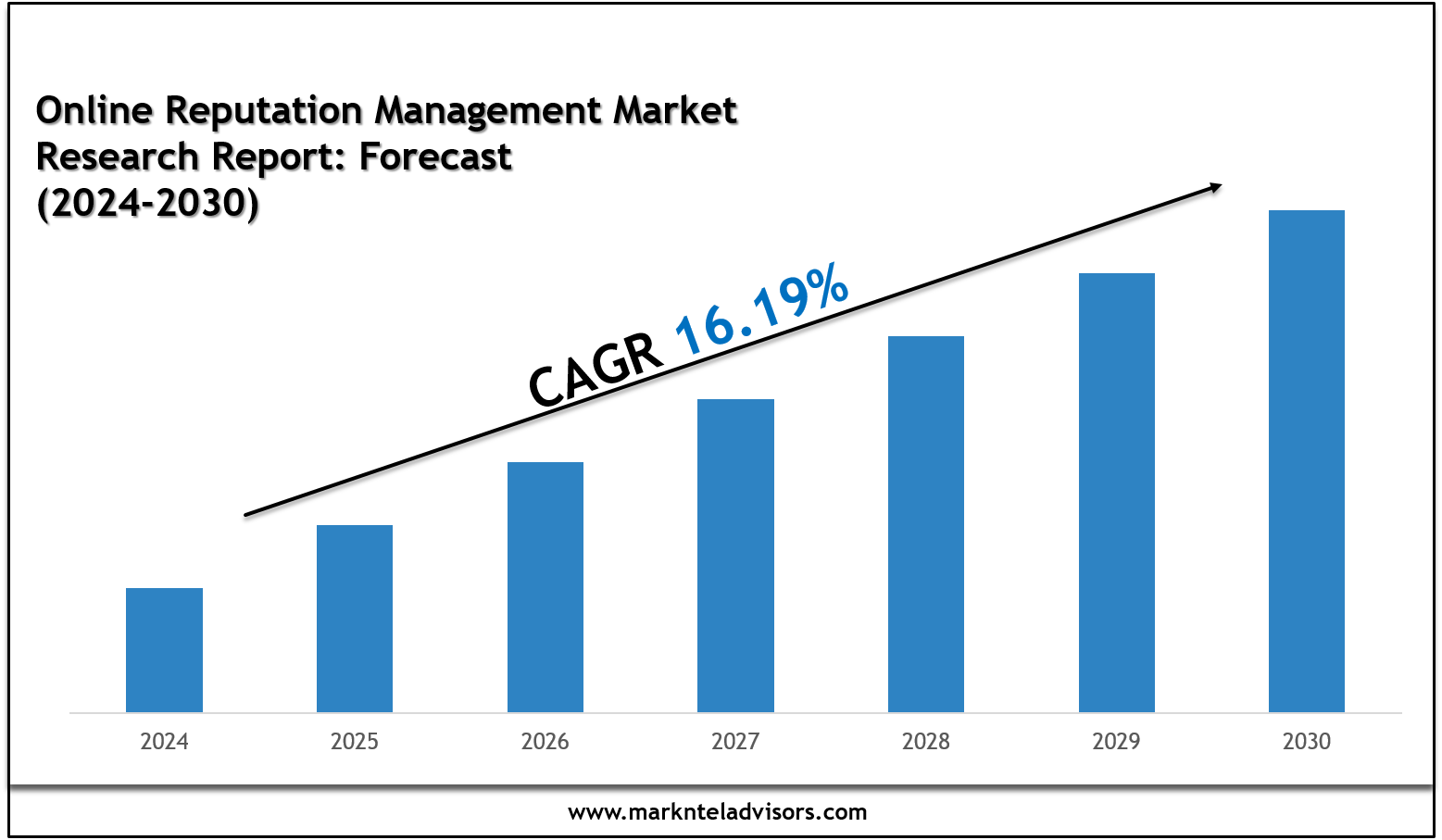
The Online Reputation Management Market reports delivers an in-depth assessment of market size, share, and emerging trends, offering valuable insights into growth opportunities. It examines market segmentation and definitions, highlighting core components and key drivers of expansion. By applying SWOT and PESTEL analyses, the study evaluates the sector’s strengths, weaknesses,...
Success on platforms like Mahadev Book and Mahadevbook doesn’t happen by chance. Experienced users follow a structured approach that helps them stay consistent and make better decisions. This blog reveals the Winning Formula used by top players to improve their performance on Mahadev Book Online and similar platforms. Understanding the Platform First Before applying any strategy,...