


How to Maintain CNC Tools for Longer Tool Life & Accuracy
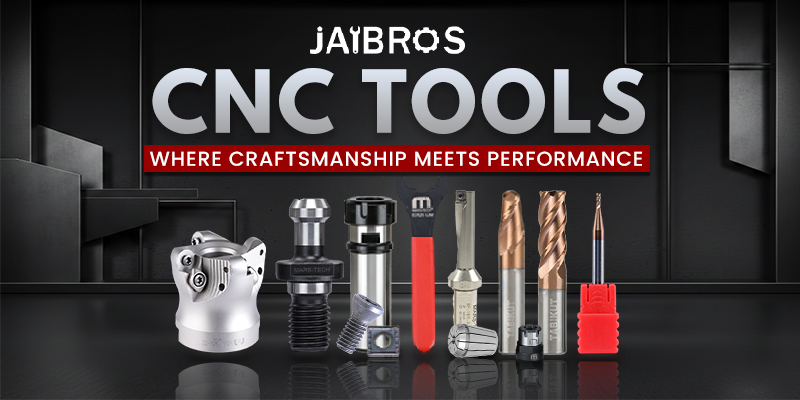
Learn practical ways to maintain CNC tools for longer tool life. Improve performance, reduce wear, and ensure consistent machining results.
Best Practices to Extend the Life of CNC Tools
In precision machining, tool maintenance plays a critical role in productivity, accuracy, and cost control. Even the best CNC tools can fail prematurely if they are not handled, used, and maintained properly. Many machining issues such as poor surface finish, dimensional errors, and unexpected downtime are directly linked to tool wear. This guide explains practical and proven ways to maintain tools correctly so they deliver consistent performance and a longer service life.
Why Tool Maintenance Matters in CNC Machining
Proper maintenance is not just about saving money; it is about ensuring stable machining results. Well-maintained CNC tools cut smoothly, generate less heat, and reduce stress on CNC machine tools. Over time, this leads to improved machine reliability and consistent product quality.
In real-world workshops, machinists often notice that tools maintained with simple daily checks last significantly longer than those ignored until failure. Preventive care always costs less than emergency replacement.
Correct Tool Handling and Storage Practices
One of the most overlooked aspects of maintenance is how tools are handled and stored. Cutting edges are delicate, and even minor damage during handling can affect performance. Always store CNC tools in proper holders or protective cases to avoid chipping and corrosion.
For example, keeping carbide tools exposed to moisture can lead to surface oxidation, which reduces cutting efficiency. Clean, dry storage areas and labeled tool racks help prevent such issues and improve tool organization on the shop floor.
Using the Right Cutting Parameters
Incorrect speeds and feeds are a common cause of premature wear. Each material requires specific cutting parameters, and exceeding limits can generate excessive heat. Properly using CNC tools within recommended ranges improves edge life and maintains accuracy.
In production environments, adjusting feed rates slightly lower for harder materials often extends tool life without affecting cycle time significantly. Machine operators should always refer to supplier data and machining charts before starting a job.
Regular Inspection and Tool Monitoring
Routine inspection helps detect wear before it affects part quality. Checking cutting edges for chipping, flank wear, or built-up edge formation ensures tools are replaced at the right time. Monitoring CNC tools after a set number of cycles provides valuable insights into wear patterns.
Many shops also maintain simple logs to track tool usage. This practice helps standardize replacement schedules and avoids sudden failures during critical operations.
Importance of Proper Coolant and Lubrication
Coolants reduce heat, flush chips away, and improve surface finish. Insufficient coolant flow or incorrect coolant type can accelerate tool wear. Using the right coolant concentration protects CNC tools from thermal damage and material buildup.
For instance, aluminum machining benefits from proper lubrication to prevent material sticking, while steel cutting requires consistent cooling to control heat. Matching coolant usage with material and operation is essential.
Regrinding and Tool Reconditioning
Regrinding is a cost-effective way to extend tool life when done correctly. Not all tools are suitable for regrinding, but many solid carbide options can be reconditioned multiple times. Experienced operators know that CNC tools reconditioned to original geometry often perform nearly as well as new ones.
Working with a reliable CNC tools manufacturer or authorized regrinding service ensures accuracy is maintained after reconditioning.
Benefits of Proper Tool Maintenance
Maintaining tools properly offers clear benefits across machining operations. Consistent cutting performance reduces scrap rates and improves surface finish. Well-maintained CNC tools also protect spindles and fixtures by minimizing vibration and overload.
From a business perspective, predictable tool life simplifies inventory planning and reduces unplanned downtime, leading to better delivery schedules and customer satisfaction.
Uses and Applications Across Industries
Effective tool maintenance is essential in industries such as automotive, aerospace, and general engineering. In high-volume production, small improvements in tool life translate into significant cost savings. Job shops also benefit, as maintained tools deliver consistent results across varied materials and designs.
Reliable suppliers and platforms like a trusted CNC tools online shop India often provide maintenance guidelines that help users apply best practices in real applications.
Conclusion
Maintaining CNC tools is a practical responsibility that directly impacts machining quality, efficiency, and cost control. Simple steps such as correct handling, proper cutting parameters, regular inspection, and adequate cooling can significantly extend tool life. By following these proven maintenance practices, manufacturers can achieve consistent performance, reduce downtime, and get the best return on their tooling investment.
Brands like Jaibros support manufacturers with a wide range of high-quality cutting solutions designed for precision and reliability. With a strong focus on innovation and performance, Jaibros helps machine learning professionals achieve better results while optimising long-term operational efficiency.
Frequently Asked Questions
1. How often should CNC cutting tools be inspected?
Inspection should be done regularly, ideally after a fixed number of machining cycles or at the end of each shift.
2. Does coolant really affect tool life?
Yes, proper coolant use reduces heat and wear, which directly extends tool life.
3. Can worn tools still produce accurate parts?
Worn tools may initially seem acceptable but often cause dimensional variation and poor surface finish.
4. Is regrinding always recommended?
Regrinding is useful for suitable tools, but it should be done by experienced service providers to maintain accuracy.
5. Do maintenance practices differ by material type?
Yes, different materials generate different heat and wear patterns, so maintenance approaches should be adjusted accordingly.
Categories
Read More
One hundred articles into this series, and the most important principle remains as true as it was at the beginning. Link building is not a tactic. It is not a channel. It is not a line item. It is the foundation on which everything else in SEO is built. What Foundations Actually Do A foundation does not produce visible results. You do not look at a building and say, "What a beautiful...

Maintaining a healthy smile sometimes requires restorative dental treatments to address damaged or missing teeth. Advanced Dental Care & Aesthetics offers effective solutions such as Dental Bridges North Olmsted and Root Canal Treatment North Olmsted to help patients preserve their oral health, restore functionality, and maintain beautiful smiles. These treatments play an important role in...

Making Huawei H12-261 Exam Study Simple and Stress-Free Preparing for the Huawei H12-261 exam does not have to feel stressful or confusing. Many students struggle because they study too much without a clear plan. They read many resources but still feel unsure about what really matters for the exam. Choosing clear and trusted Huawei H12-261 study material makes preparation simple, focused, and...

The global iron sulfate and iron chlorosulfate market is poised for steady and sustained growth, supported by its wide-ranging applications across water treatment, agriculture, construction, healthcare, and industrial processes. Analysts observe that the increasing need for clean water, combined with rising awareness of public health issues such as anemia, is significantly driving demand for...

Jai Club Game: Complete Guide to Registration, Login, Features, Mobile Access, and Secure Account Management The Jai Club game platform offers users a modern, responsive, and secure online experience. Whether you are a first-time visitor looking to create an account or an existing member returning to your dashboard, understanding the registration and login process helps you use the...