


Brain Health: A Practical Guide to Clear Thinking and Mental Strength
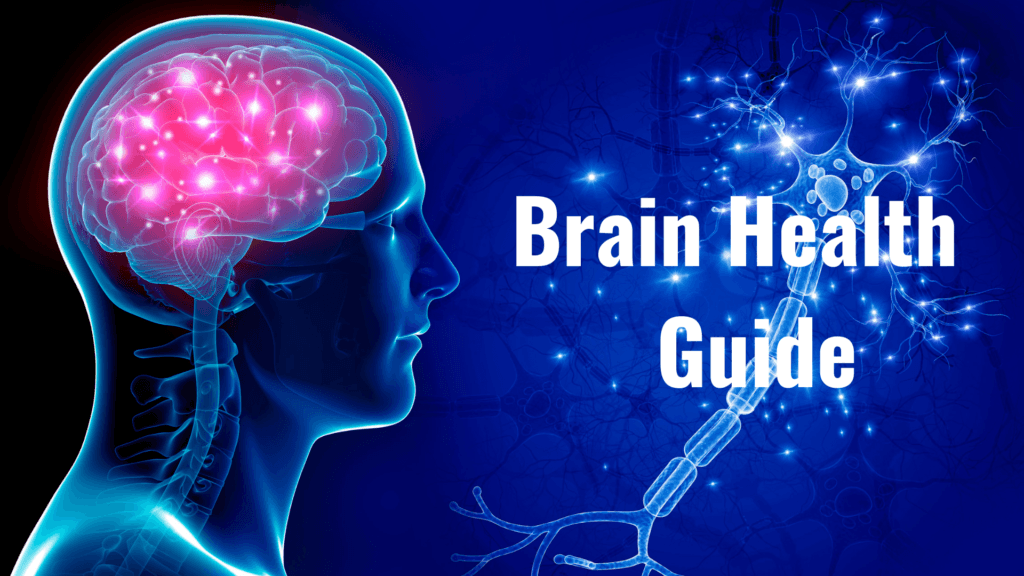
Brain health is essential for living a balanced, productive, and fulfilling life. The brain controls how we think, remember, focus, move, and respond to emotions. From making decisions to enjoying conversations and solving problems, nearly every daily activity depends on how well the brain functions.
This article explains brain health in simple, engaging English for general readers. You will learn what brain health means, why it matters, and how everyday habits can help protect and strengthen the mind over time.
What Is Brain Health?
Brain health refers to the brain’s ability to function efficiently across several areas, including memory, attention, learning, emotional regulation, and decision-making. A healthy brain adapts to new information, handles stress better, and supports clear thinking.
Good brain health is not only important later in life. It plays a key role at every age, influencing how we perform at work, maintain relationships, and enjoy daily activities.
Why Brain Health Is So Important
The brain is the body’s command center. When it works well, people often feel mentally sharp, emotionally balanced, and confident in their abilities. When it struggles, even simple tasks may feel difficult.
Supporting brain health helps with:
-
Better focus and concentration
-
Improved memory and learning
-
Emotional stability
-
Faster problem-solving
-
Reduced mental fatigue
Protecting the brain early and consistently can improve quality of life now and in the future.
Daily Habits That Affect the Brain
The brain responds strongly to daily habits. Small choices repeated over time can either strengthen or strain mental performance.
Healthy routines help the brain:
-
Process information efficiently
-
Recover from stress
-
Maintain emotional balance
-
Stay adaptable and resilient
Consistency matters more than perfection when building brain-supportive habits.
Nutrition and the Brain
Nutrition plays a major role in supporting brain health. The brain requires a steady supply of energy and nutrients to function properly.
Helpful nutrition habits include:
-
Eating regular, balanced meals
-
Choosing whole foods over heavily processed options
-
Including healthy fats in moderation
-
Staying hydrated throughout the day
Skipping meals or relying on poor-quality foods may lead to mental fog, low energy, and difficulty concentrating.
Physical Activity and Mental Clarity
Regular physical activity supports circulation, which helps deliver oxygen and nutrients to the brain. Movement also reduces stress and supports better sleep, both of which are essential for mental clarity.
Beneficial activities include:
-
Walking or light jogging
-
Stretching or yoga
-
Strength training
-
Recreational sports
You do not need intense workouts. Consistent, moderate movement is enough to support brain health effectively.
Sleep and Brain Function
Sleep is essential for brain recovery. During sleep, the brain organizes memories, clears waste, and prepares for the next day.
Poor sleep can affect:
-
Memory and focus
-
Mood and emotional control
-
Decision-making
-
Stress tolerance
Creating a regular sleep routine, limiting screen time before bed, and ensuring a calm sleep environment all support healthier brain function.
Stress and Its Impact on the Brain
Chronic stress places heavy pressure on the brain. Over time, stress can interfere with memory, focus, and emotional balance.
Managing stress supports brain health by allowing the nervous system to relax and recover. Helpful stress-management practices include:
-
Deep breathing exercises
-
Mindfulness or relaxation techniques
-
Spending time outdoors
-
Enjoying hobbies
Reducing stress does not require eliminating responsibilities, but learning healthier ways to respond to challenges.
Mental Stimulation and Learning
The brain thrives on challenge and learning. Mental stimulation helps maintain strong connections between brain cells and supports flexibility.
Ways to keep the brain active include:
-
Reading books or articles
-
Learning new skills or hobbies
-
Solving puzzles or strategy games
-
Engaging in meaningful conversations
Regular mental activity supports long-term brain health and helps keep the mind sharp.
Social Connection and Brain Health
Social interaction plays a powerful role in mental well-being. Engaging with others stimulates thinking, communication, and emotional regulation.
Benefits of social connection include:
-
Improved mood
-
Reduced feelings of isolation
-
Enhanced cognitive stimulation
-
Better emotional resilience
Spending time with friends, family, or community groups supports both emotional balance and brain health.
Emotional Well-Being and the Brain
Emotional health and brain function are closely linked. Ongoing negative emotions or unresolved stress can affect concentration, memory, and motivation.
Supporting emotional well-being includes:
-
Expressing feelings openly
-
Practicing gratitude
-
Maintaining supportive relationships
-
Taking breaks when overwhelmed
Emotional balance helps the brain function more smoothly and adapt to change.
Brain Health Across Different Life Stages
Brain health needs evolve with age, but care is important at every stage of life. Younger individuals may focus on learning and focus, while older adults may prioritize memory and mental clarity.
At all ages, the fundamentals remain the same:
-
Balanced nutrition
-
Regular physical activity
-
Mental stimulation
-
Quality sleep
-
Stress management
Supporting the brain early helps maintain independence and confidence later in life.
Recognizing When the Brain Needs Support
The brain often sends subtle signals when it is under strain. These may include:
-
Ongoing mental fatigue
-
Difficulty focusing
-
Increased irritability
-
Forgetfulness
These signs do not always indicate serious issues, but they suggest that lifestyle habits may need adjustment.
Building Long-Term Brain-Supportive Habits
Long-term brain health is built through steady, daily actions rather than quick fixes. Small improvements practiced consistently can have a lasting impact.
Helpful habits include:
-
Eating regular, balanced meals
-
Staying physically active
-
Challenging the mind regularly
-
Prioritizing rest and recovery
These habits support mental clarity and resilience over time.
Benefits of Supporting Brain Health
When brain health is well supported, people often experience:
-
Sharper focus and memory
-
Better emotional control
-
Increased productivity
-
Greater confidence in daily tasks
A healthy brain supports a more active, independent, and enjoyable life.
Final Thoughts
Brain health is essential for thinking clearly, managing emotions, and enjoying everyday experiences. While the brain is complex, supporting it does not require extreme measures. Simple habits like balanced nutrition, regular movement, mental stimulation, quality sleep, and stress management make a meaningful difference.
By paying attention to daily routines and listening to your body and mind, you can support brain health naturally and effectively. Small, consistent steps today can help protect mental clarity and well-being for years to come.
Kategoriler
Read More
Floor Adhesives Market Overview A new report titled “Global Floor Adhesives Market Professional Report 2025-2033” has been added by Straits Research to its repository of research reports. The report analyzes and estimates the market on a global, regional, and country level. The report offers data from previous years along with an in-depth analysis from 2025 to 2033 on the basis of...

The human growth hormone market is a significant segment of the broader endocrinology, biopharmaceuticals, and hormone therapy ecosystem, centered on the development, production, and administration of synthetic and recombinant growth hormone therapies used to treat growth-related disorders and metabolic conditions. Human growth hormone, commonly referred to as HGH, plays a vital role in...

Modern diets, heavily processed and often nutrient-depleted, may not consistently provide the diverse range of glyconutrients needed to sustain ideal cellular communication. GlycoQ Canada was founded on the principle that restoring these vital nutrients can help the body function more efficiently at the most fundamental level—the cell. FB>>...

The global eSIM market Geography is witnessing substantial expansion, driven by the rapid adoption of embedded connectivity across smartphones, IoT devices, and automotive systems. According to The Insight Partners, the market was valued at US$ 5.51 billion in 2024 and is projected to reach approximately US$ 17.98 billion by 2031, registering a strong CAGR of 18.7% during 2025–2031....

Healthcare organizations often struggle with slow value analysis processes caused by manual reviews, scattered documentation, and lengthy committee approvals. GoGreen Security’s AI-Powered Value Analysis Platform helps hospitals evaluate medical products, vendors, and purchasing decisions faster using clinical evidence, financial insights, and compliance data in one centralized system....
