


BJJ Gi vs Nogi: Understanding the Key Differences in Brazilian Jiu-Jitsu

Brazilian Jiu-Jitsu is a dynamic grappling art that can be practiced in two main formats: Gi and NoGi. The debate around bjj gi vs nogi is one of the most common topics among beginners and experienced practitioners alike. While both styles share the same core principles, techniques, and goals, they differ significantly in attire, grip strategy, pace, and competition rules. Understanding these differences can help you choose the style that best fits your training goals.
What Is BJJ Gi?
Gi Jiu-Jitsu is practiced while wearing a traditional uniform known as a gi, which consists of a jacket, pants, and belt. The gi allows practitioners to use grips on sleeves, collars, lapels, and pant legs to control their opponent. This added friction slows the game down and emphasizes technique, precision, and strategic control.
Gi training often focuses on positional dominance, grip fighting, and methodical setups. Because grips play such a major role, gi practitioners develop strong hand control, patience, and a deep understanding of leverage and balance.
What Is NoGi?
NoGi Jiu-Jitsu is practiced without the traditional gi. Instead, athletes wear rash guards and shorts. In NoGi, grips on clothing are eliminated, forcing practitioners to rely on body positioning, underhooks, overhooks, wrist control, and speed.
NoGi is typically faster-paced and more explosive than gi training. Without fabric to slow movement, transitions happen quickly, and scrambles are more frequent. This style is especially popular among athletes interested in MMA or submission grappling.
BJJ Gi vs Nogi: Key Differences
When comparing bjj gi vs nogi, several core differences stand out:
1. Grips and Control
In gi Jiu-Jitsu, fabric grips are essential and can be used to control distance, set up submissions, and maintain dominant positions. In NoGi, grips rely on the body itself, requiring stronger positional awareness and timing.
2. Pace and Speed
Gi matches are generally slower and more technical due to friction and grip fighting. NoGi matches tend to be faster, with quick transitions and explosive movements.
3. Technique Application
Some techniques are exclusive to gi training, such as lapel chokes and worm guard variations. NoGi emphasizes leg locks, wrestling-based takedowns, and dynamic submissions.
4. Conditioning and Athleticism
While both styles are physically demanding, NoGi often requires higher cardiovascular endurance due to its faster pace. Gi training builds grip strength and endurance through prolonged control.
Skill Transfer Between Gi and NoGi
A common question in the bjj gi vs nogi discussion is whether skills transfer between the two. The answer is yes—core fundamentals such as posture, base, balance, and leverage apply to both styles.
However, adaptation is necessary. A gi practitioner transitioning to NoGi must adjust to the lack of grips, while a NoGi practitioner training in the gi must learn how to defend and utilize fabric-based attacks. Training both styles can create a more well-rounded grappler.
Competition Differences
Competition rules vary significantly in bjj gi vs nogi formats. Gi competitions often reward positional control and advantage points tied to grip-based techniques. NoGi competitions may favor aggression, leg-lock systems, and wrestling exchanges.
Some tournaments offer separate divisions for gi and NoGi, while others host dedicated events for each style. Understanding the rule set is crucial, as it influences strategy and pacing during matches.
Which Style Is Better for Beginners?
For beginners, the bjj gi vs nogi choice depends on personal goals. Gi training is often recommended for new students because it slows down movement and helps develop fundamental techniques. The grips make it easier to control opponents and understand positional mechanics.
NoGi can be more challenging for beginners due to its speed, but it is also highly practical and accessible. Many gyms encourage students to train both to gain a comprehensive understanding of Brazilian Jiu-Jitsu.
Gi vs NoGi for MMA
For athletes interested in mixed martial arts, NoGi training is especially valuable. Since MMA does not involve a gi, NoGi techniques translate more directly to real fight scenarios. That said, gi training still builds strong fundamentals that enhance overall grappling ability.
Final Thoughts on BJJ Gi vs Nogi
The debate over bjj gi vs nogi is not about which style is better, but which style best suits your goals. Gi Jiu-Jitsu emphasizes control, precision, and technical depth, while NoGi focuses on speed, athleticism, and adaptability.
Both styles offer unique benefits, and training in both can significantly elevate your overall skill level. Whether you prefer the strategic grip battles of the gi or the fast-paced scrambles of NoGi, Brazilian Jiu-Jitsu provides endless opportunities for growth, challenge, and mastery.
Categorieën
Read More
Anubhav Plast IPO GMP is drawing investor interest as the company launches its SME public issue on the BSE SME platform. The IPO aims to raise ₹24.00 crore through a completely fresh issue. Investors are closely monitoring the latest Grey Market Premium (GMP), subscription status, and listing expectations ahead of the IPO. In this article, Finowings provides complete details about the Anubhav...

L’émergence du casino en ligne france s’accompagne d’une transformation progressive des comportements numériques des consommateurs français. L’accessibilité permanente et la simplicité d’utilisation du casino en ligne France modifient la relation traditionnelle au jeu, désormais intégrée dans les...
2D CAD Drawing Services for detailed drawing help UAE contractors prepare accurate plans, sections, elevations, technical details, and construction documentation. Optimar Precon supports clean editable CAD outputs for review and site use. Contact Optimar Precon for drafting support.
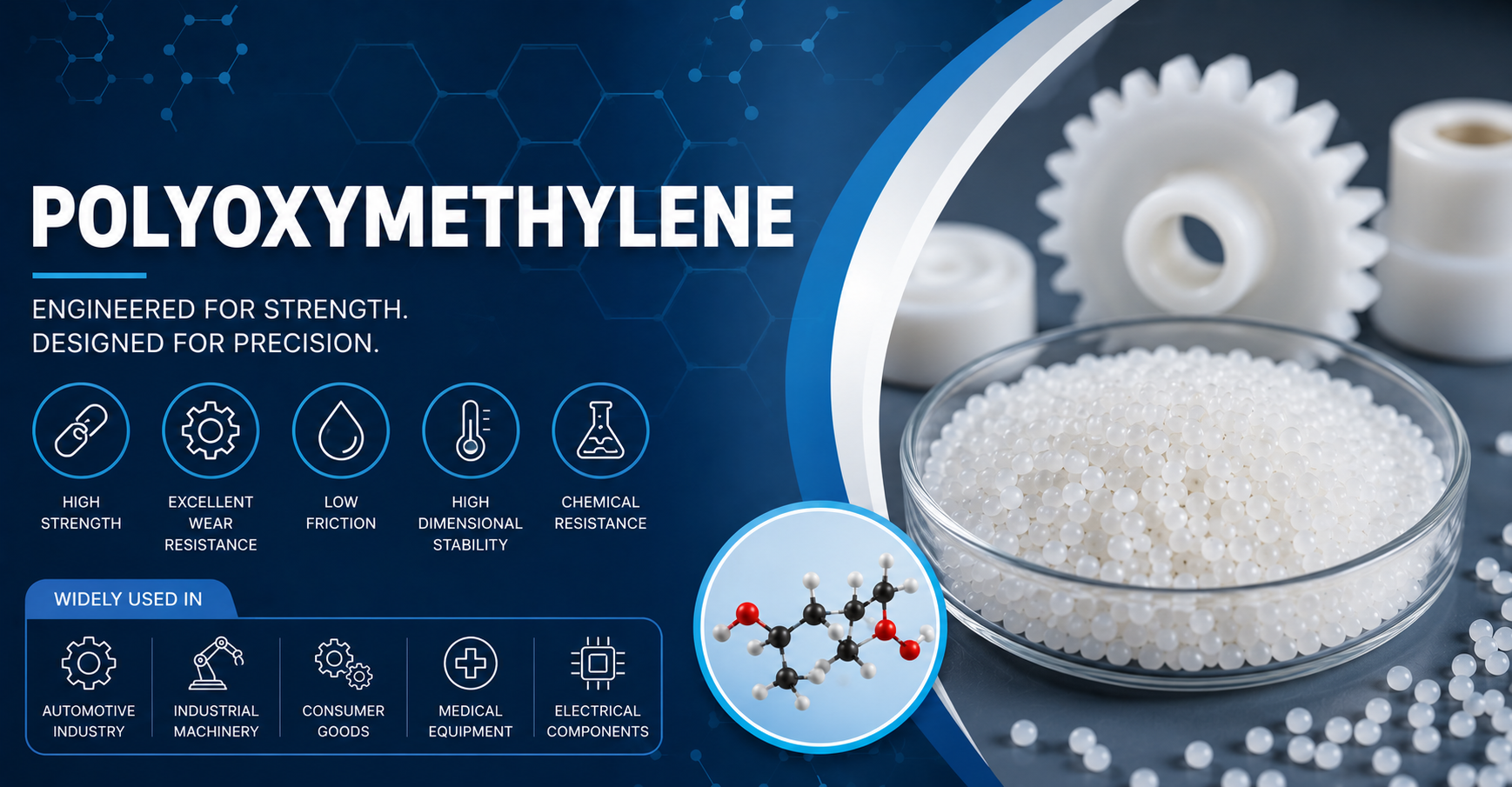
The Polyoxymethylene Price Trend, Polyoxymethylene Prices, Polyoxymethylene Price chart are becoming important topics for industries connected to automotive production, electronics, healthcare, and industrial manufacturing. Polyoxymethylene, often called POM or acetal, may sound like a technical material, but it quietly supports many products people use every day. From car components and...
" According to the latest report published by Data Bridge Market Research, the Dental Insurance Market The global dental insurance market size was valued at USD 172.94 billion in 2024 and is projected to reach USD 255.70 billion by 2032, with a CAGR of 5.01% during the forecast period of 2025 to 2032.This Dental Insurance Market research report has been formed with a nice blend...