


BPC 157 Capsules: What They Are, What People Claim, and Important Context
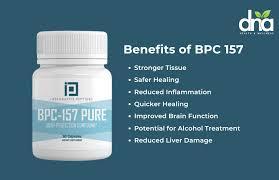
The keyword “BPC 157 capsules” appears frequently in online discussions about recovery, wellness, and performance. While the name sounds like a typical supplement, BPC 157 is very different from vitamins or protein powders. Understanding what BPC 157 is—and what it is not—is essential before forming any opinions about it. This article explains the topic in a clear, educational, and safety-focused way.
What Is BPC 157?
BPC 157 stands for Body Protection Compound 157. It is a synthetic peptide derived from a sequence originally identified in human gastric juice. Peptides are short chains of amino acids, which are the building blocks of proteins.
In scientific research settings, BPC 157 has been studied mainly in animal and laboratory models, particularly for its potential role in tissue repair and protection. It is important to note that BPC 157 is not an approved medication and is not classified as a dietary supplement by major health authorities.
What Are ?
When people refer to BPC 157 capsules, they are usually talking about BPC 157 that has been placed into capsule form for oral use. This format is often marketed online as being more convenient than other delivery methods.
However, the presence of BPC 157 in capsule form does not change its regulatory status. Capsules do not automatically make a substance safe, approved, or appropriate for general use. The format is simply a method of packaging, not a guarantee of effectiveness or safety.
Why Do People Talk About BPC 157?
Interest in BPC 157 capsules largely comes from online wellness communities and fitness discussions. The compound is often associated with claims about:
-
Supporting recovery
-
Helping the body respond to physical stress
-
Assisting with tissue or joint health
These claims are usually based on early-stage research and anecdotal reports, not large-scale human clinical trials. This distinction is extremely important.
The Scientific Reality
Most studies involving BPC 157 have been conducted on animals, not humans. While animal research can be useful for exploring possibilities, it does not guarantee the same effects—or safety—in people.
As of now:
-
There is no broad human clinical evidence confirming benefits
-
There is no established long-term safety profile
-
There are no standardized dosing guidelines for general use
Because of this, health authorities have not approved BPC 157 for medical or supplement use.
Regulatory and Safety Considerations
One of the most important things to understand about BPC 157 capsules is their regulatory status.
-
BPC 157 is often sold as a research chemical
-
It is not FDA-approved or approved by similar agencies in many countries
-
Products sold online may vary widely in purity and accuracy
This lack of regulation means consumers cannot reliably verify what is actually in a capsule or whether it is produced under safe conditions.
Capsules vs. Supplements: A Common Misunderstanding
A major misconception is assuming that because something comes in capsule form, it must be a supplement. This is not true.
Many unapproved or experimental substances are sold in capsules simply because capsules are easy to distribute. This does not make them equivalent to approved vitamins, minerals, or food-based supplements.
Why Caution Is Especially Important
For younger individuals, caution is even more critical. Bodies are still developing, and introducing unapproved compounds can carry unknown risks. Recovery, growth, and performance are best supported through proven basics such as:
-
Proper nutrition
-
Adequate sleep
-
Balanced physical activity
-
Time and consistency
No experimental compound can replace these foundations.
Misinformation Online
Social media and forums often present BPC 157 capsules in a highly simplified or exaggerated way. Common issues include:
-
Overstated benefits
-
Lack of discussion about risks
-
Absence of scientific context
This can make the compound seem more established than it actually is. Being able to separate hype from evidence is essential when evaluating topics like this.
The Role of Medical Professionals
Any substance that affects the body at a biochemical level should be discussed with a qualified healthcare professional. This is especially true for compounds that are not approved for general use.
Medical professionals rely on:
-
Clinical trials
-
Safety data
-
Peer-reviewed research
BPC 157 currently lacks this level of validation for everyday use.
Conclusion
BPC 157 capsules are widely discussed online, but they are often misunderstood. While BPC 157 is an interesting compound in early research, it is not a supplement, not an approved treatment, and not proven safe or effective for general use.
Understanding the difference between experimental research and established health practices is critical. True recovery and wellness come from consistent habits, proper care, and evidence-based approaches—not unverified shortcuts.
الأقسام
إقرأ المزيد
Muchas mujeres y parejas llegan a un punto en sus vidas en el que expresan con ilusión: “Quiero Quedar Embarazada”. Sin embargo, cuando el embarazo no llega de manera natural, comienza una búsqueda que puede resultar abrumadora. En este camino, es importante conocer todas las opciones disponibles y elegir la que mejor se alinee con tus valores, salud y bienestar. Hoy...

The automated container terminal industry is benefiting from increasing investments in port modernization, growing adoption of smart logistics solutions, and continuous innovation in cargo handling technologies. The integration of automation, robotics, and real-time data analytics is further supporting market expansion by enhancing operational efficiency and reducing turnaround times. According...
According to the latest report published by Data Bridge Market Research, the Deep Transcranial Magnetic Stimulation (DTMS) Device Market CAGR Value Data Bridge Market Research analyses that the deep transcranial magnetic stimulation (DTMS) device market which was USD 1.04 billion in 2021, and is estimated to reach USD 2.06 million by 2029, and is expected to grow at a CAGR of 8.9%...
The Training & Placement Department at Terna Engineering College, Navi Mumbai, plays a crucial role in shaping students’ careers by bridging the gap between academic learning and industry requirements. With a dedicated team of experienced faculty members and coordinators, the department ensures that students are well-prepared to face competitive recruitment processes and secure...

Packing & Unpacking Services Calgary: Why Heroic Logistics Is Your Trusted Moving Partner Moving to a new home or business location is one of life’s most exciting moments—but it can also be one of the most stressful. Between organizing belongings, wrapping fragile items, labeling boxes, and ensuring nothing gets lost or damaged, the workload can quickly become overwhelming....