Top Mistakes to Avoid When Investing in a CNC Machine Tool
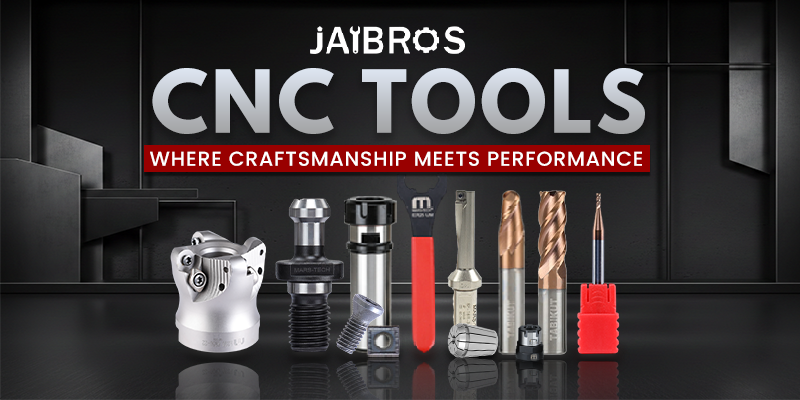
Avoid costly errors when buying a CNC machine Tool. Learn key mistakes related to CNC machine price, tooling, maintenance, scalability, and ROI.
Common Errors That Increase Costs When Buying a CNC Machine Tool
Investing in advanced machining technology is a major decision that directly impacts productivity, quality, and profitability. While modern manufacturing depends heavily on automation and precision, many businesses make costly errors during the buying process. A CNC machine Tool is a long-term asset, and choosing the wrong one can lead to higher operating costs, lower efficiency, and delayed returns. Understanding the most common mistakes helps manufacturers make informed decisions and maximize value from their investment.
Mistake 1: Focusing Only on CNC Machine Price
One of the most common mistakes is basing the purchase decision solely on CNC machine price. While budget constraints are important, selecting the cheapest option often results in higher long-term costs. Lower-priced machines may lack rigidity, accuracy, or advanced control systems, leading to frequent breakdowns and inconsistent output.
Instead of focusing only on upfront cost, buyers should evaluate total cost of ownership, including maintenance, tooling, energy consumption, and productivity. A well-chosen CNC machine Tool may cost more initially but deliver better performance and faster ROI over time.
Mistake 2: Ignoring Application-Specific Requirements
Not all machining tasks are the same. Some buyers invest in machines without fully analyzing their production needs, materials, and tolerances. Whether the operation involves heavy-duty cutting or fine CNC milling, the machine must match the application.
Choosing the wrong configuration can lead to poor surface finish, tool breakage, and longer cycle times. Evaluating spindle power, axis travel, and structural stability ensures that the selected CNC machine Tool supports current and future workloads effectively.
Mistake 3: Overlooking Tooling Compatibility
Tooling plays a major role in machining efficiency, yet many buyers fail to consider compatibility with existing CNC tools. Machines that require proprietary or limited tooling options can significantly increase operating expenses.
Standard tooling compatibility provides flexibility, better availability, and cost control. A machine that supports a wide range of cutting tools allows manufacturers to optimize processes and reduce downtime caused by tool changes or sourcing delays.
Mistake 4: Underestimating Maintenance and Service Needs
Another costly error is underestimating maintenance requirements. Machines with poor build quality or limited service support can lead to frequent downtime and expensive repairs. Spare part availability and technical support responsiveness are critical factors that directly affect productivity.
A reliable CNC machine Tool should come with clear maintenance guidelines, easy access to service parts, and dependable after-sales support. Regular preventive maintenance not only extends machine life but also ensures consistent performance over years of operation.
Mistake 5: Ignoring Operator Training and Ease of Use
Advanced machines often come with sophisticated control systems. Without proper training, operators may struggle with programming, setup, and troubleshooting. This leads to errors, wasted material, and reduced output.
User-friendly interfaces and intuitive controls reduce the learning curve and improve shop-floor efficiency. When investing in a CNC machine Tool, training support should be considered part of the overall investment, not an afterthought.
Mistake 6: Not Planning for Automation and Scalability
Many businesses purchase machines that meet only current needs without considering future growth. As production volumes increase, the lack of automation features such as pallet changers or tool monitoring can limit efficiency.
Scalable CNC machine tools allow manufacturers to integrate automation gradually. Planning for expansion ensures that the machine remains productive and competitive as business demands evolve.
Mistake 7: Overlooking Energy Efficiency and Operating Costs
Energy consumption directly affects monthly operating expenses. Older or inefficient designs may consume more power without delivering proportional performance. Over time, these costs add up and reduce profitability.
Modern machines are designed with energy-efficient components that lower running costs. Choosing a CNC machine Tool with optimized power usage contributes to sustainable manufacturing and better long-term returns.
Mistake 8: Neglecting Resale Value and Brand Reputation
Resale value is often ignored during purchase decisions. Machines from reputable manufacturers typically retain value better in the secondary market. This becomes important when upgrading or expanding operations.
Investing in a trusted CNC machine Tool ensures reliability, better support, and stronger resale potential, reducing financial risk over the machine’s lifecycle.
Conclusion
Avoiding these common mistakes can make the difference between a successful investment and a costly setback. By evaluating application needs, long-term operating costs, tooling compatibility, and scalability, manufacturers can ensure that their CNC machine Tool delivers consistent performance and strong ROI.
When it comes to dependable machining solutions, Jaibros is a name trusted by professionals across the industry. Known for quality engineering, precision-focused designs, and reliable support, Jaibros helps manufacturers achieve efficiency, accuracy, and long-term value in modern machining environments.
Frequently Asked Questions (FAQs)
Q1. Is a higher CNC machine price always a better investment?
Not necessarily. The best value comes from matching machine capabilities with production needs, not just choosing the most expensive option.
Q2. Why is CNC milling capability important when buying a machine?
Efficient milling ensures better surface finish, faster cycle times, and reduced material waste.
Q3. How do CNC tools affect overall machining cost?
Tool compatibility and tool life directly impact operating expenses and productivity.
Q4. What role does maintenance play in machine selection?
Reliable maintenance support reduces downtime and extends machine lifespan, improving ROI.
Q5. Can automation features improve long-term profitability?
Yes, automation reduces labor dependency, increases output, and ensures consistent quality over time.
Catégories
Lire la suite
Managing a commercial property involves far more than keeping the lights on and handling maintenance requests. Property managers today are expected to balance tenant safety, operational efficiency, building compliance, and long term risk management all at once. As a result, fire protection equipment has become one of the most important areas of focus for many commercial buildings and...
According to the latest report published by Data Bridge Market Research, the Nonablative Laser Resurfacing Devices Market Data Bridge Market Research analyses that the nonablative laser resurfacing devices market which was USD 2056.97 million in 2021, would rocket up to USD 3507.92 million by 2029, and is expected to undergo a CAGR of 6.90% during the forecast period 2022 to...

Wood cutting with CNC machines is growing in India. Learn how to choose the right cnc tool and bits for better cutting and smooth results. Understanding Wood Cutting in CNC Machines Wood is a soft material compared to metal, but it still needs proper cutting methods. If you use the wrong tool, the wood can burn, chip, or break. Good cutting depends on sharpness, speed, and the type of bit used....
In today’s fast-paced sales environment, efficiency and accuracy are critical. Email Data Extraction for Sales Teams powered by automation is transforming how businesses capture and manage leads from emails. By automating this process, sales teams can focus on building relationships and converting leads instead of manually collecting and organizing data. The Challenges of Manual Data...

Developing a resilient residential property requires a clear understanding of material sciences, regional weather patterns, and proper installation techniques. The roof functions as a complex system of interconnected layers rather than a simple exterior covering, with each layer relying on the others to perform correctly. For building professionals and homeowners alike, mastering the technical...