


Furniture: A Complete Guide to Style, Comfort, and Smart Living
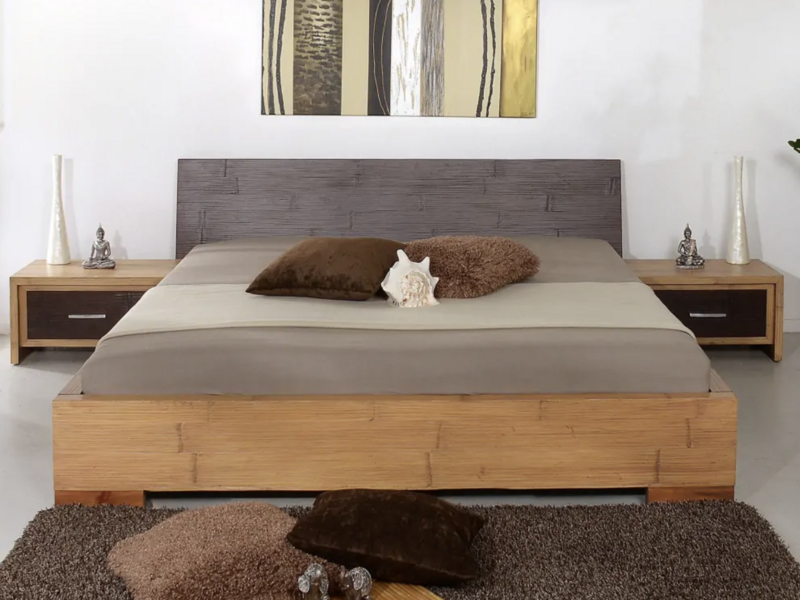
Furniture is not just about filling empty spaces in a home or office. It reflects personality, supports daily routines, and plays a major role in comfort and functionality. From ancient civilizations to modern minimalist homes, furniture has evolved in style, material, and purpose. Today, people look for pieces that combine beauty, durability, affordability, and sustainability, making furniture an essential investment rather than a simple purchase.
Furniture shapes how we live, work, relax, and interact with others. Whether it’s a cozy sofa where families gather, a sturdy dining table for shared meals, or an ergonomic chair supporting long work hours, every piece has a purpose. Choosing the right furniture improves quality of life, enhances interior aesthetics, and even boosts productivity. Understanding types, materials, trends, and buying tips helps you make smarter decisions that last for years.
The Importance of Furniture in Everyday Life
Furniture plays a functional and emotional role in our lives. It provides comfort, organization, and structure to our surroundings. A well-furnished space feels welcoming and balanced, while poor furniture choices can make even a beautiful room feel uncomfortable.
In homes, furniture supports daily activities like sleeping, eating, relaxing, and socializing. In offices, it improves efficiency and employee well-being. In public spaces such as hotels, restaurants, and hospitals, furniture affects user experience and satisfaction. This makes thoughtful furniture selection essential across all environments.
Types of Furniture for Every Space
Living Room Furniture
The living room is often the heart of a home. Common furniture pieces include sofas, sectionals, coffee tables, TV units, recliners, and side tables. Comfort and durability are key here, along with style that reflects personal taste.
Bedroom Furniture
Bedroom furniture focuses on relaxation and storage. Beds, wardrobes, dressers, nightstands, and vanity tables help create a calm and organized atmosphere. Choosing the right mattress and bed frame is especially important for good sleep and health.
Dining Room Furniture
Dining furniture includes dining tables, chairs, benches, and storage units like buffets or sideboards. These pieces should balance comfort with durability, as dining areas often experience frequent use.
Office Furniture
Office furniture is designed for productivity and ergonomics. Desks, office chairs, filing cabinets, and shelves help maintain organization and reduce physical strain. Good office furniture can significantly improve focus and efficiency.
Outdoor Furniture
Outdoor furniture includes patio sets, garden chairs, loungers, and umbrellas. These pieces must withstand weather conditions while offering comfort and style for outdoor relaxation.
Popular Furniture Materials and Their Benefits
Wood Furniture
Wood is one of the most popular furniture materials due to its durability and timeless appeal. Solid wood furniture like oak, teak, and walnut can last for decades. Engineered wood options such as MDF and plywood are more affordable and versatile.
Metal Furniture
Metal furniture is strong, modern, and often used in industrial or contemporary designs. Steel and aluminum furniture are common for office and outdoor use because of their durability and low maintenance.
Upholstered Furniture
Upholstered furniture includes sofas, chairs, and beds covered in fabric or leather. Fabric offers variety in color and texture, while leather provides a premium look and easy cleaning.
Glass Furniture
Glass furniture adds elegance and a sense of space, especially in small rooms. It is often used in coffee tables, dining tables, and shelves. Tempered glass improves safety and durability.
Plastic and Composite Furniture
Plastic furniture is lightweight, affordable, and weather-resistant, making it popular for outdoor and casual settings. Modern designs have improved its aesthetic appeal significantly.
Furniture Styles That Never Go Out of Trend
Modern Furniture
Modern furniture features clean lines, neutral colors, and functional design. It suits minimalist interiors and urban homes.
Traditional Furniture
Traditional furniture focuses on rich details, classic shapes, and warm wood tones. It brings elegance and a timeless feel to interiors.
Contemporary Furniture
Often confused with modern style, contemporary furniture reflects current trends. It changes over time and blends comfort with stylish design.
Rustic Furniture
Rustic furniture emphasizes natural materials, rough textures, and earthy tones. It creates a cozy and organic atmosphere.
Scandinavian Furniture
Scandinavian furniture is known for simplicity, light colors, and functionality. It is ideal for bright, airy, and clutter-free spaces.
How to Choose the Right Furniture
Choosing furniture is not just about looks. Several practical factors should guide your decision:
Measure Your Space
Always measure your room before buying furniture. Oversized pieces can make a space feel cramped, while small furniture may look out of place.
Consider Functionality
Think about how you will use the furniture daily. Multi-functional furniture like sofa beds or storage ottomans is ideal for small spaces.
Focus on Comfort
Comfort should never be compromised, especially for sofas, chairs, and beds. Test furniture whenever possible.
Match Your Lifestyle
Families with children or pets should choose durable, stain-resistant materials. Minimalist lifestyles may prefer sleek and simple designs.
Set a Budget
Furniture is an investment. Balance quality and price by prioritizing essential pieces first and upgrading over time.
Furniture Maintenance and Care Tips
Proper maintenance extends the life of your furniture:
-
Dust wooden furniture regularly and use appropriate polish.
-
Avoid direct sunlight to prevent fading.
-
Clean upholstery according to fabric instructions.
-
Tighten screws and joints periodically.
-
Use coasters and mats to prevent surface damage.
Regular care keeps furniture looking new and functional for years.
Sustainable and Eco-Friendly Furniture
Sustainability is becoming a major focus in furniture manufacturing. Eco-friendly furniture uses responsibly sourced wood, recycled materials, and non-toxic finishes. Choosing sustainable furniture reduces environmental impact and supports ethical production practices.
Many consumers now prefer furniture brands that focus on durability and responsible sourcing rather than fast, disposable products.
Online vs. Offline Furniture Shopping
Buying Furniture Online
Online shopping offers convenience, variety, and competitive pricing. You can compare styles, materials, and reviews easily from home.
Buying Furniture Offline
Physical stores allow you to see, touch, and test furniture before buying. This helps ensure comfort and quality.
A smart approach is to research online and then decide whether to buy online or visit a showroom.
Future Trends in Furniture Design
The furniture industry continues to evolve with changing lifestyles:
-
Smart furniture with built-in charging and technology
-
Modular furniture for flexible living
-
Sustainable and recycled materials
-
Minimalist and space-saving designs
-
Customizable furniture options
These trends focus on adaptability, comfort, and environmental responsibility.
Final Thoughts
Furniture is more than just décor; it is a foundation of everyday living. The right furniture enhances comfort, supports health, and expresses personal style. Whether you are furnishing a new home, upgrading an office, or refreshing a single room, thoughtful choices make a lasting difference. For those seeking quality pieces at competitive prices, exploring trusted sources like FactorySale can help you find furniture that combines value, durability, and style without compromising on comfort or design.
Categorias
Leia mais
The difference between an ordinary ride and an unforgettable cycling experience often comes down to the components you choose. If you're serious about performance, durability, and style, investing in a premium Wheelset fixed gear setup is one of the smartest decisions you can make. At Concept Electric Bikes, we help riders unlock exceptional performance with high-quality cycling...

The U.S. team is building a modern data strategy for the Ryder Cup 2027 tournament. Captain Jim Furyk knows that elite statistical data dictates modern golf success. He recently hired Justin Ray and Hunter Stewart to spearhead this math movement. They will replace the former data group to provide fresh strategic perspectives. Buy your official Ryder Cup 2027 Tickets right now to be part of...

The Latest Collections Miu Miu On Sale https://www.miumiusshoes.com

Introduction to the Category: CBD, Health, and Natural Wellness The natural wellness market in the USA has seen rapid growth as consumers increasingly look for plant-based alternatives to support their health. Among cannabinoids, Cannabigerol (CBG) is gaining popularity for its potential applications in wellness formulations, skincare products, tinctures, and supplements. Unlike THC, CBG is...

Employers highly value Power BI skills because data-driven decision-making has become essential for business growth. Professionals who can analyze data, create interactive dashboards, and generate meaningful insights help organizations improve efficiency and performance. Learning these skills through a Power BI Course in Chennai offered by FITA Academy can enhance career opportunities, as...
