


Pakistani Formal Wear: A Timeless Tradition of Elegance and Style
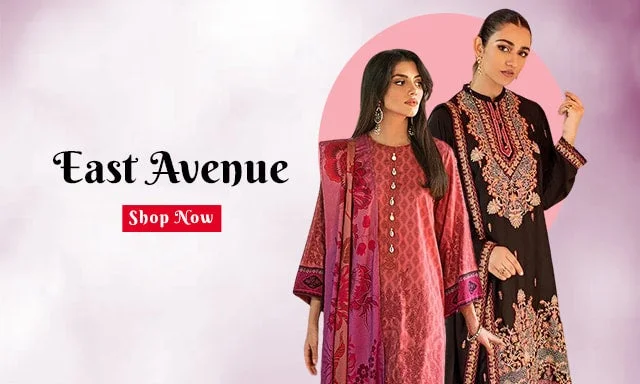
Pakistani formal wear is more than just clothing; it represents culture, heritage, and grace. The intricacies of Pakistani fashion, especially in formal attire, are celebrated globally. For those looking to make a statement in high-end occasions—whether weddings, formal dinners, or corporate events—Pakistani formal wear offers the perfect combination of traditional craftsmanship and modern sophistication. This article explores the rich history, styles, and modern trends of Pakistani formal wear, helping you make an informed choice for your next formal event.
The Rich Heritage Behind Pakistani Formal Wear
The origins of Pakistani formal wear can be traced back to the grandeur of the Mughal Empire. The Mughal period brought about exquisite designs that highlighted intricate embroidery, rich fabrics, and luxurious patterns—features that still define Pakistani formal wear today. These garments were once a symbol of royalty, and over the centuries, they have evolved, blending regional influences and modern trends while retaining their elegant charm.
Today, Pakistani formal wear blends historical elements with contemporary designs. The fusion of classic elements and innovative cuts makes these garments the perfect choice for various formal occasions, both traditional and modern.
Key Elements of Pakistani Formal Wear
1. Anarkali Dresses: The Epitome of Elegance
The Anarkali dress is one of the most iconic pieces of Pakistani formal wear. Featuring a floor-length, flowing design, this dress is made from luxurious fabrics such as chiffon, silk, or velvet. Anarkali dresses are often adorned with intricate hand-embroidery, stones, and sequins, offering an opulent appearance ideal for weddings and grand parties.
The Anarkali style has evolved over time, and modern designs may feature more contemporary cuts or fusion styles. Regardless of the variation, this dress remains a staple of Pakistani formal wear.
2. Sherwani: A Symbol of Royalty
The Sherwani is a highly regarded piece of formal attire for men, especially in weddings and high-profile events. This traditional coat, typically worn over a kurta, features a high collar, tight sleeves, and elaborate embroidery on the chest and shoulders. Paired with a churidar or a lungi, the Sherwani has become synonymous with grandeur and sophistication in Pakistani formal wear.
The Sherwani has undergone a transformation, with modern variations incorporating contemporary cuts and designs. This makes it a versatile yet timeless choice for any formal occasion.
3. Bridal Lehengas: The Luxurious Choice for Brides
In the world of Pakistani formal wear, bridal lehengas hold a special place of prominence. These garments are known for their heavy embellishments, rich fabrics, and ornate details. Bridal lehengas are usually custom-designed, with intricate beadwork, embroidery, and vibrant colors that reflect the bride’s personal style.
Traditional colors like red, maroon, and gold remain dominant in bridal lehengas, although lighter tones and pastel shades have gained popularity in modern designs.
Modern Trends in Pakistani Formal Wear
While traditional pieces like the Anarkali and Sherwani continue to dominate, Pakistani formal wear is also embracing new trends that reflect contemporary tastes and values.
1. Fusion Styles
One of the most exciting trends in Pakistani formal wear is the fusion of traditional and modern elements. Designers are increasingly mixing Western cuts and silhouettes with traditional Pakistani fabrics, such as khadi, organza, and brocade. This blending of styles creates a modern yet culturally rich aesthetic.
For example, a modern Anarkali dress might incorporate a tailored jacket, while an embellished dupatta may be worn over a contemporary gown. These fusion styles offer a blend of tradition and modernity, making them a versatile option for any formal occasion.
2. Minimalist Designs
While ornate embroidery is still highly sought after, minimalist designs have gained traction in Pakistani formal wear. These garments feature clean lines, simple fabrics, and subtle accents, providing a more understated, elegant look. Minimalist designs, such as sleek evening gowns or tuxedo-style Sherwanis, are ideal for individuals seeking sophistication without excessive embellishments.
3. Sustainable Fabrics
Sustainability has become an important consideration in the fashion industry, and Pakistani formal wear is no exception. Designers are increasingly using eco-friendly fabrics such as organic cotton, bamboo silk, and recycled materials. These sustainable fabrics not only reduce the environmental impact of fashion but also offer unique, high-quality garments that retain the luxury and craftsmanship for which Pakistani formal wear is known.
How to Style Pakistani Formal Wear
Styling is key when it comes to wearing Pakistani formal wear. Here are some tips to help you elevate your look:
1. Focus on Accessories
Accessories can make or break an outfit. For women, statement jewelry such as chokers, maang tikka, and bangles can elevate a dress or lehenga. Men can add sophistication with cufflinks, a stylish watch, or a pocket square. The right accessories complement the overall outfit and help enhance its elegance.
2. Layer Your Garments
Layering adds depth to your attire, especially in Pakistani formal wear. A stylish shawl or dupatta can be draped over a dress, while men can opt for a waistcoat or jacket to add structure to their Sherwani or kurta.
3. Footwear Matters
Footwear is just as important as the garment itself. Women may opt for embellished sandals, high heels, or traditional khussas, while men can choose polished shoes or juttis to complete their look. The key is to ensure that the footwear complements the attire in both style and color.
East Avenue NJ: The Perfect Destination for Pakistani Formal Wear
When it comes to finding premium Pakistani formal wear, look no further than East Avenue NJ. Known for offering an exquisite collection of Pakistani formal wear for both men and women, East Avenue NJ provides the perfect blend of traditional craftsmanship and modern elegance. Their selection includes everything from intricately embroidered Anarkali dresses to the most refined Sherwanis, ensuring that you can find the perfect outfit for any formal occasion.
Whether you’re searching for a bridal lehenga, a sophisticated Sherwani, or a stylish fusion piece, East Avenue NJ offers high-quality, tailor-made garments that reflect the beauty and craftsmanship of Pakistani fashion. The boutique is a must-visit destination for those seeking luxury and sophistication in their Pakistani formal wear.
Frequently Asked Questions (FAQs)
What fabrics are commonly used in Pakistani formal wear?
Pakistani formal wear is typically made from luxurious fabrics like silk, chiffon, velvet, brocade, and organza. These fabrics are chosen for their ability to hold intricate embroidery and embellishments while offering comfort and elegance.
What is the difference between a Sherwani and a Kurta?
A Sherwani is a long coat-like garment worn by men, usually featuring elaborate embroidery and a high collar. It is typically worn over a kurta and paired with a churidar or lungi. A kurta, on the other hand, is a simpler, knee-length tunic worn by men, often with a more casual or semi-formal appearance.
Can I wear Pakistani formal wear for events other than weddings?
Yes, Pakistani formal wear is versatile and can be worn for various occasions, including corporate events, gala dinners, and family gatherings. Depending on the style and level of embellishment, it can be appropriate for any formal event.
What is an Anarkali dress?
An Anarkali dress is a traditional floor-length gown worn by women. It is typically made from luxurious fabrics and features intricate hand-embroidery, often adorned with sequins, stones, or beads. The Anarkali is known for its flowing design, making it ideal for formal occasions such as weddings and parties.
Are there any modern trends in Pakistani formal wear?
Yes, modern trends in Pakistani formal wear include fusion styles that combine Western cuts with traditional Pakistani fabrics, minimalist designs with clean lines, and sustainable fabrics that offer eco-friendly options without compromising on luxury.
Conclusion
Pakistani formal wear is a reflection of centuries-old traditions, fused with modern elegance. From the regal Anarkali dresses to the luxurious bridal lehengas, each garment is a work of art. Modern trends such as fusion styles, minimalist designs, and sustainable fabrics are redefining the landscape of Pakistani formal wear, making it relevant for contemporary fashion-conscious individuals.
Categorii
Citeste mai mult
Easy and Trusted Exin CDFOM Exam Prep for Fast Results Many students feel confused before Exin CDFOM exams. They study many books but still feel unsure. This wastes time and energy. Good Certified Data Center Facilities Operations Manager certification exam preparation material helps fix this problem in a simple way. It keeps your study clear and focused from day one....

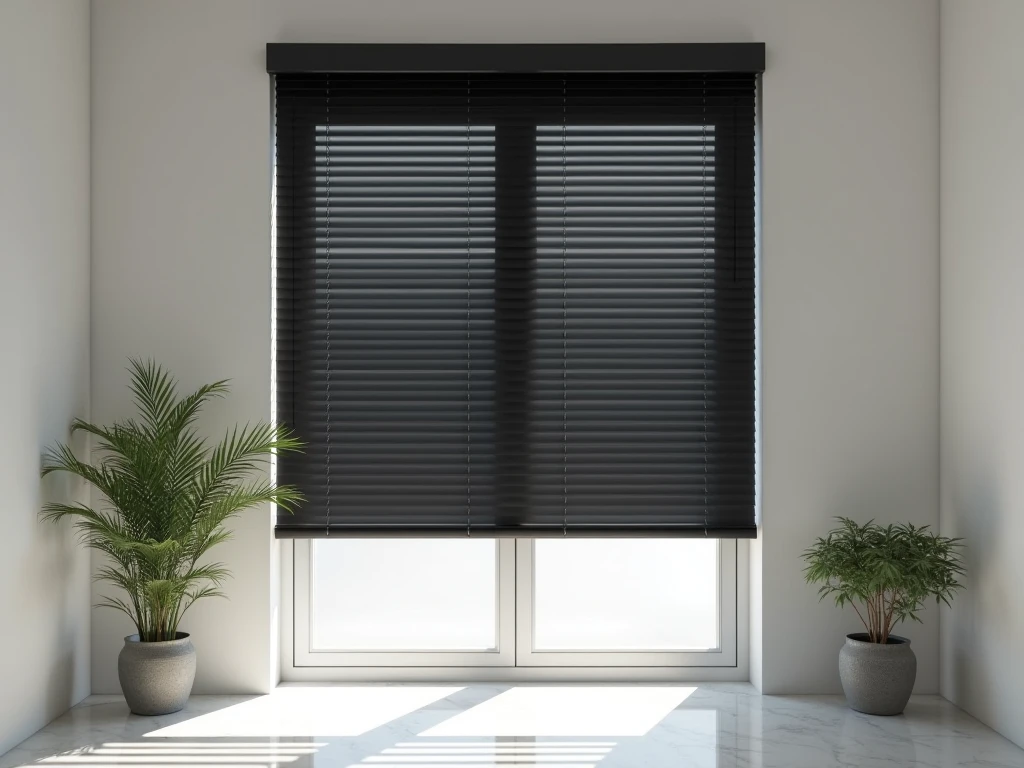
Dubai’s fast-paced lifestyle, luxury living, and modern architecture demand interior solutions that offer both comfort and style. One of the most essential window treatments for homes and offices is blackout blinds. Designed to block external light completely, blackout blinds provide privacy, temperature control, and enhanced comfort. Choosing the right blackout blinds shop in Dubai...
IntroductionThe Motorcycle Market represents a vital segment of the global transportation industry. Motorcycles are two-wheeled motor vehicles designed for personal mobility, commercial use, and recreational riding. They offer cost-effective transportation, fuel efficiency, and ease of movement, especially in densely populated urban areas. In recent years, the Motorcycle Market has...

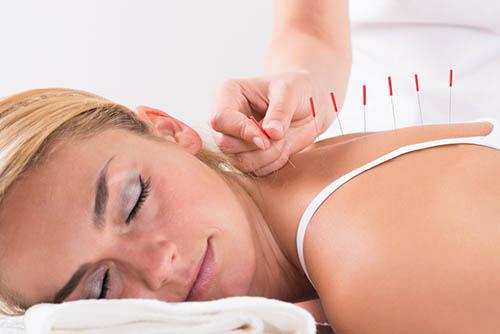
Back pain is one of the most common health problems affecting people across different age groups. Long working hours, poor posture, sedentary lifestyles, and physical strain can lead to chronic discomfort in the lower or upper back. For many individuals, conventional treatments may provide temporary relief but do not always address the root cause of the problem. This is why many patients are...
For dog owners in New Jersey who want a reliable, modern, and invisible way to keep their pets safe, an underground dog fence NJ system has become one of the most effective solutions available. It provides secure boundary control without the need for traditional fencing, allowing dogs to enjoy outdoor freedom while staying safely within their designated area. Why Underground Dog Fences...