


Early Signs of Lattice Retinal Degeneration Explained Simply
Our eyes are incredibly delicate organs, allowing us to see and experience the world in all its colors and movements. Because of this, even minor changes in eye health can have a significant impact on vision. One condition that often goes unnoticed until it becomes serious is Lattice Retinal Degeneration. While it may sound complicated, understanding the early signs can help protect your eyesight and prevent severe complications.
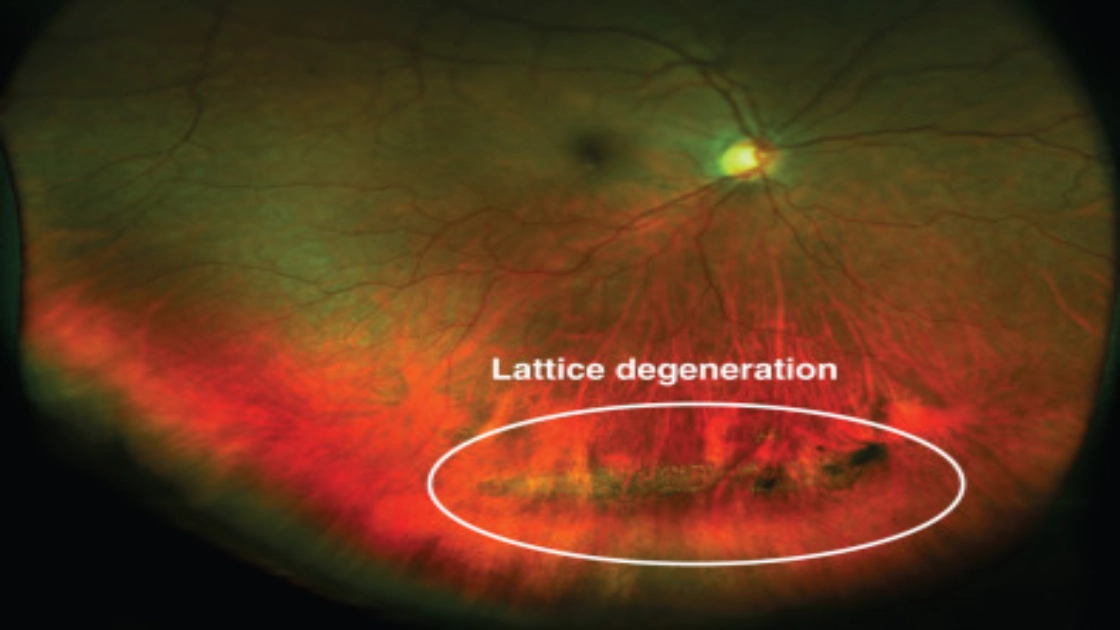
Lattice retinal degeneration is a condition that affects the retina, the light-sensitive layer at the back of your eye. It is characterized by thin, weakened areas in the retina that look like lattices or crisscrossed patterns. While this condition itself may not immediately cause vision loss, it can increase the risk of retinal tears or retinal detachment if left untreated. Detecting the condition early can make a huge difference in maintaining healthy vision.
What Is Lattice Retinal Degeneration?
Before we dive into the early signs, it’s important to understand what lattice retinal degeneration actually is. The retina is a layer of tissue lining the back of the eye, and it plays a critical role in capturing light and sending visual signals to the brain.
In lattice retinal degeneration, certain areas of the retina become thinner and develop a pattern of lines or lattices. These weak spots are more prone to developing tears, which can lead to retinal detachment—a serious condition that may result in permanent vision loss if not treated promptly.
The exact cause of lattice retinal degeneration is not fully understood, but several factors can contribute to its development:
-
Genetics: Some people inherit a tendency for weaker retinal tissue.
-
Age: Although it can occur at any age, it is more common in adults.
-
Myopia (Nearsightedness): People with high levels of nearsightedness are more likely to develop this condition.
-
Previous Eye Injuries: Trauma to the eye can increase the risk.
Who Is at Risk?
Not everyone develops lattice retinal degeneration, but certain groups are more prone to it. These include:
-
People with High Myopia: The elongated shape of nearsighted eyes puts extra stress on the retina.
-
Individuals with a Family History: If a parent or sibling has lattice retinal degeneration, your risk is higher.
-
Adults Over 40: Age-related changes in the eye make the retina more susceptible to thinning.
-
People Who Have Experienced Eye Trauma: Accidents that damage the eye can trigger retinal changes.
Understanding your risk can help you stay alert for early signs and seek timely medical attention.
Early Signs of Lattice Retinal Degeneration
Detecting lattice retinal degeneration early can be challenging because the condition often does not cause noticeable symptoms in its initial stages. However, certain signs may indicate a problem:
1. Flashes of Light
Flashes of light, especially in your peripheral vision, can be an early warning sign. These flashes may look like small streaks or sparks that appear for a few seconds. They occur when the vitreous—the gel-like substance in the eye—pulls on the weakened areas of the retina.
2. Sudden Increase in Floaters
Floaters are tiny specks, spots, or strings that drift across your field of vision. While a few floaters are normal, a sudden increase in their number, especially if accompanied by flashes, could indicate changes in the retina.
3. Blurred or Distorted Vision
Although lattice retinal degeneration itself may not cause immediate vision loss, it can sometimes lead to areas of blurred or distorted vision. This may happen if a retinal tear or detachment begins to develop.
4. Shadows or Curtain-Like Vision Loss
In more advanced cases, you might notice a shadow or curtain-like effect across part of your vision. This occurs when the retina starts to detach, and it is a medical emergency that requires immediate attention.
How Is Lattice Retinal Degeneration Diagnosed?
Because early signs are subtle, lattice retinal degeneration is often diagnosed during a comprehensive eye examination. Eye doctors use special tools to examine the retina carefully. Some common diagnostic methods include:
-
Dilated Eye Exam: Eye drops are used to widen the pupils, allowing the doctor to see the retina more clearly.
-
Ophthalmoscopy: A device called an ophthalmoscope helps the doctor look at the retina directly.
-
Optical Coherence Tomography (OCT): This imaging test provides a detailed cross-section of the retina, revealing thinning or lattice patterns.
Regular eye check-ups are particularly important for people at higher risk, as the condition may go unnoticed without proper examination.
Treatment Options
Not all cases of lattice retinal degeneration require treatment. Often, if the condition is detected early and there are no retinal tears or detachment, doctors may simply recommend monitoring the retina with regular eye exams.
However, if the retina shows signs of tearing or is at high risk of detachment, treatment options may include:
-
Laser Therapy (Laser Photocoagulation): A laser is used to create small burns around the weak retinal areas. This forms scar tissue that helps secure the retina in place.
-
Cryopexy (Freezing Therapy): Freezing is used to seal retinal tears or weak spots. This helps prevent detachment.
-
Surgical Intervention: In severe cases of retinal detachment, surgery may be necessary to repair the retina.
Early detection is crucial because treating lattice retinal degeneration before a tear or detachment occurs can prevent significant vision loss.
Lifestyle Measures for Eye Health
While lattice retinal degeneration cannot always be prevented, certain lifestyle measures can help maintain overall eye health and reduce risk factors:
-
Regular Eye Exams: Especially important for people with high myopia or a family history of retinal problems.
-
Protect Your Eyes from Trauma: Wear protective eyewear during sports or activities with a risk of eye injury.
-
Maintain a Healthy Diet: Foods rich in vitamins A, C, E, and omega-3 fatty acids support eye health.
-
Control Chronic Conditions: Conditions like diabetes and high blood pressure can affect the eyes, so proper management is essential.
-
Avoid Smoking: Smoking is linked to several eye conditions and can worsen retinal health.
When to Seek Medical Attention
It is important to seek immediate medical attention if you experience any of the following:
-
Sudden increase in floaters
-
Flashes of light in your vision
-
A shadow or curtain-like effect over part of your vision
-
Sudden loss of vision
These symptoms may indicate a retinal tear or detachment, which can lead to permanent vision loss if not treated promptly.
Prognosis and Long-Term Outlook
With timely diagnosis and proper management, most people with lattice retinal degeneration can maintain healthy vision. The condition itself may remain stable for years without causing significant problems.
However, untreated retinal tears or detachments can lead to serious complications. That’s why monitoring your eye health and attending regular check-ups is so important.
For those diagnosed with lattice retinal degeneration, regular follow-ups with an eye specialist are essential to track any changes and address issues early. Eye specialists may recommend exams every 6 to 12 months, depending on the severity of the condition.
Conclusion
Understanding the early signs of Lattice Degeneration Laser Treatment is key to protecting your eyesight. While the condition may not initially cause noticeable symptoms, flashes of light, sudden floaters, or visual distortions can signal the beginning of retinal changes. Regular eye exams, especially for individuals with risk factors like high myopia or a family history, are essential for early detection and prevention of serious complications.
If you suspect any issues or belong to a higher-risk group, consulting an experienced eye specialist is crucial. Dr. Mandeep Lamba and other qualified ophthalmologists in Dubai provide comprehensive eye care, including screening and treatment for lattice retinal degeneration. With early detection and proper care, the risks of retinal tears and detachment can be minimized, helping you maintain healthy vision for years to come.
Categorieën
Read More
" According to the latest report published by Data Bridge Market Research, the Shopping Cart Market The shopping cart market size was valued at USD 796.06 million in 2024 and is projected to reach USD 5187.12 million by 2032, with a CAGR of 26.40% during the forecast period of 2025 to 2032.Shopping Cart Market research report has been structured. The report assesses ongoing as well as...

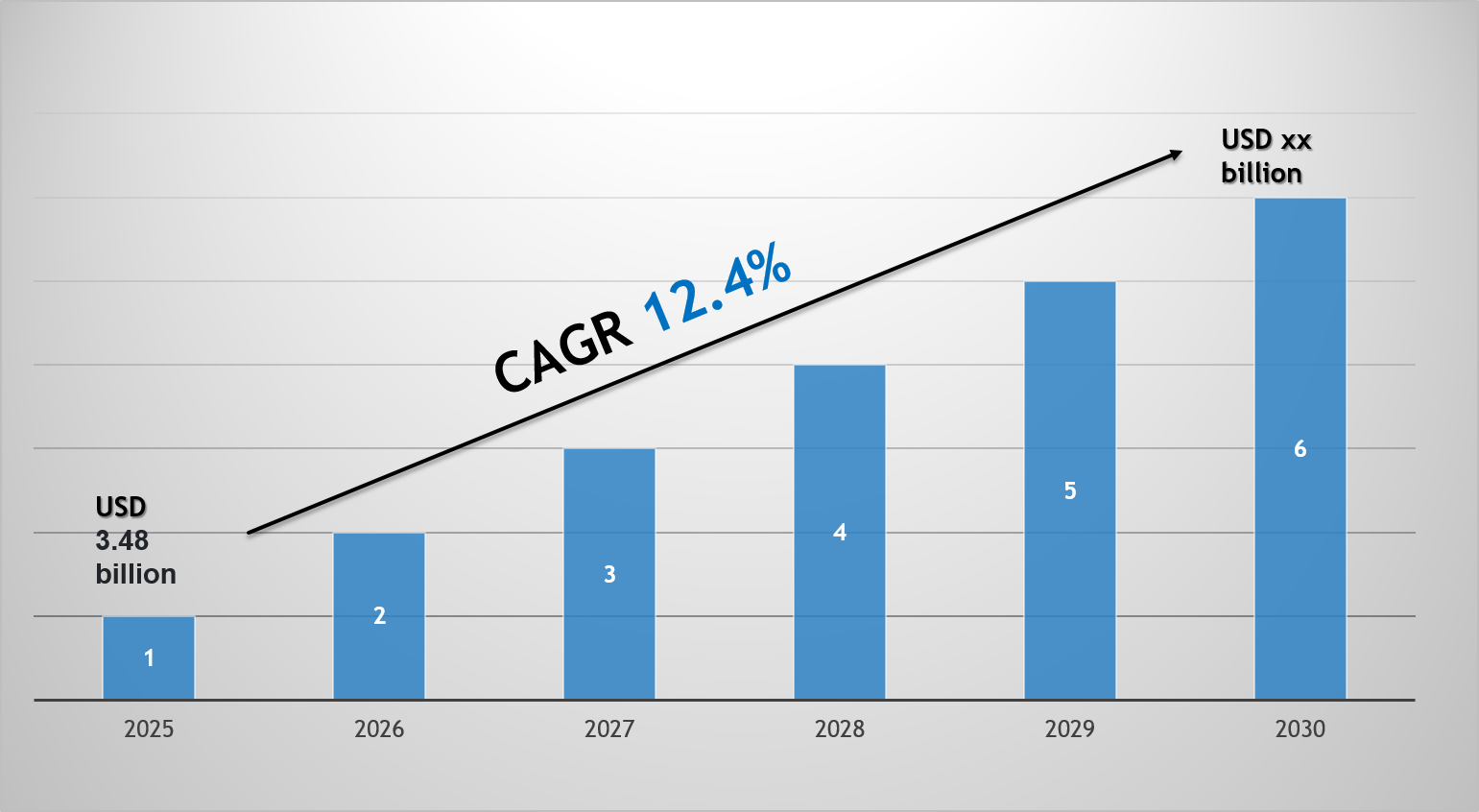
Future North America Inflight Catering Market: Key Dynamics, Size & Share Analysis The North America Inflight Catering Market size is valued at around USD 3.48 billion in 2024 and is estimated to grow at a CAGR of around 12.4% during the forecast period, i.e., 2025-30. The market growth is attributed to a sudden increase in domestic and international flight...
According to the latest report published by Data Bridge Market Research, the Gypsum Market Global Gypsum Market was valued at USD 2.46 billion in 2021 and is expected to reach USD 3.53 billion by 2029, registering a CAGR of 4.60% during the forecast period of 2022-2029. In addition to the market insights such as market value, growth rate, market segments, geographical...
In today’s highly competitive business environment, every document you hand over to a customer speaks volumes about your brand. Whether it is invoices, receipts, delivery orders, or purchase records, professionally produced paperwork creates trust and credibility. This is why businesses are increasingly turning to ncr book printing to streamline operations while maintaining a polished and...

Starting a new business is exciting, but building trust in the market can be challenging. Customers are more likely to choose brands they recognize and feel confident about. This is where outdoor branding plays a crucial role. Hoarding advertising, in particular, is one of the most effective ways to create a strong first impression and establish credibility. By partnering with a professional...