Customs Clearance Australia: Easy Guide for First-Time Importers
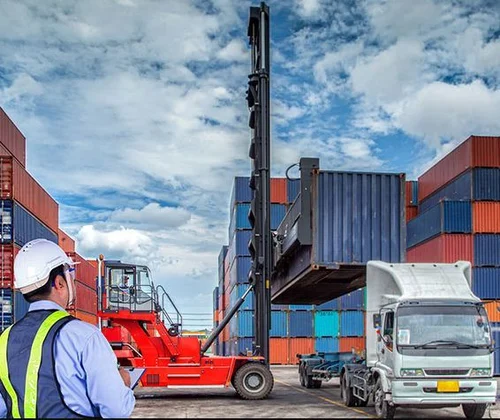
Importing goods into Australia requires compliance with a regulated system designed to protect national security, collect revenue, and safeguard biosecurity. For individuals and businesses unfamiliar with the process, understanding Customs Clearance Australia is essential to ensure goods are released without delays, penalties, or regulatory issues.
Customs Clearance Australia involves multiple steps, including compliance with import regulations, correct classification of goods, preparation of documentation, and payment of applicable duties and taxes. This guide outlines each stage of the process and explains the responsibilities placed on importers.
Import Regulations Under Customs Clearance Australia
All goods entering Australia are assessed under import regulations administered by border and biosecurity authorities. These regulations determine whether goods are permitted, restricted, or prohibited from entering the country. Certain goods, such as food products, biological materials, chemicals, and animal-derived items, are subject to additional controls.
Failure to comply with these regulations can result in goods being held, inspected, exported, or destroyed. Importers are responsible for ensuring that goods meet all import conditions before shipment. Understanding regulatory requirements in advance supports smoother Customs Clearance Australia procedures and reduces the risk of non-compliance.
Classification of Goods
Accurate classification of goods is a fundamental requirement of Customs Clearance Australia. All imported goods must be classified using the Harmonized System (HS), an internationally recognised tariff classification framework. The assigned HS code determines the rate of customs duty and the application of Goods and Services Tax (GST).
Incorrect classification may lead to incorrect duty assessments, compliance reviews, or shipment delays. Importers are legally responsible for ensuring that goods are classified accurately in accordance with tariff legislation.
Documentation Requirements
Documentation plays a central role in Customs Clearance Australia. Customs authorities rely on documentation to assess compliance, determine customs value, and identify whether goods require inspection. Incomplete or inconsistent documentation can delay the clearance process.
Commonly required documents include:
- Bill of Lading or Air Waybill
- Commercial Invoice outlining the value and description of goods
- Packing List detailing contents and packaging
- Import Declaration
- Permits or certificates for regulated goods
Preparing documentation accurately and in advance supports efficient Customs Clearance Australia processing.
Import Declaration Process
An Import Declaration must be lodged before goods can be released from customs control. The declaration includes information such as the nature of the goods, their customs value, country of origin, and tariff classification.
Import Declarations are submitted electronically through the Integrated Cargo System. Errors or omissions in the declaration can result in requests for further information or delays in Customs Clearance Australia. Accuracy at this stage is essential to avoid compliance issues.
Duties, Taxes, and Charges
Customs Clearance Australia includes the assessment and payment of applicable duties and taxes. Customs duty rates vary depending on the classification and origin of the goods. Goods and Services Tax (GST) is generally applied at 10 percent of the total landed value, which includes the value of goods, freight, insurance, and duty.
Additional charges, such as anti-dumping duties or excise, may apply to specific categories of goods. All assessed charges must be paid before goods are released.
Biosecurity Assessment and Inspection
Some goods are referred for biosecurity assessment as part of Customs Clearance Australia. This process is intended to prevent the introduction of pests, diseases, and contaminants that could affect Australia’s environment and agricultural industries.
Goods selected for inspection may undergo physical examination or treatment. Delays may occur if packaging, labelling, or documentation does not meet requirements. Importers remain responsible for compliance throughout this stage.
Conclusion
Customs Clearance Australia is a structured process that ensures imported goods comply with legal, financial, and biosecurity requirements. For first-time importers, understanding import regulations, accurately classifying goods, preparing complete documentation, lodging correct declarations, and meeting payment obligations are essential components of compliance.
With appropriate preparation and attention to detail, Customs Clearance Australia can be managed efficiently and predictably, reducing delays and ensuring adherence to Australian import laws.
الأقسام
إقرأ المزيد
Diablo IV has shifted from rigid loot chasing into a much looser, player-driven loop, and that matters if you want more control over how your build comes together. The newest changes keep pushing that idea, especially when you're chasing Diablo 4 Items that now come with clearer stat lines and fewer dead rolls. What Makes Diablo IV's Current Item Game So Flexible? It's less about praying for...

"Middle East and Africa Adalimumab Market Summary: According to the latest report published by Data Bridge Market Research, the Middle East and Africa Adalimumab Market CAGR Value Data Bridge Market Research analyses that the Middle East and Africa adalimumab market was valued at USD 134.81 million in 2021 and is expected to reach USD 181.68 million by 2029, registering a CAGR of...

High blood pressure is a common issue affecting millions of people in the USA. Stress, poor diet, lack of exercise, and lifestyle pressures can all contribute to fluctuating blood pressure and decreased cardiovascular health. Maintaining a healthy heart and stable blood pressure is essential for overall well-being, energy, and quality of life. BP Zone is a natural supplement designed...

Planning a spiritual pilgrimage like Umrah in February requires careful preparation, especially when considering the unique weather and travel demands. Many pilgrims opt for February Umrah Packages to ensure a seamless experience, as this month offers milder temperatures in Saudi Arabia compared to the scorching summer heat. These packages often include flights, accommodations, and guided...

Micro-Electro-Mechanical Systems (MEMS) inertial sensors have become essential components in modern electronic systems, enabling accurate motion sensing, navigation, positioning, and orientation detection. These sensors include accelerometers, gyroscopes, and inertial measurement units (IMUs) that support a wide range of applications across consumer electronics, automotive systems, aerospace,...