


Emergency Preparedness for Home Ventilator Patients
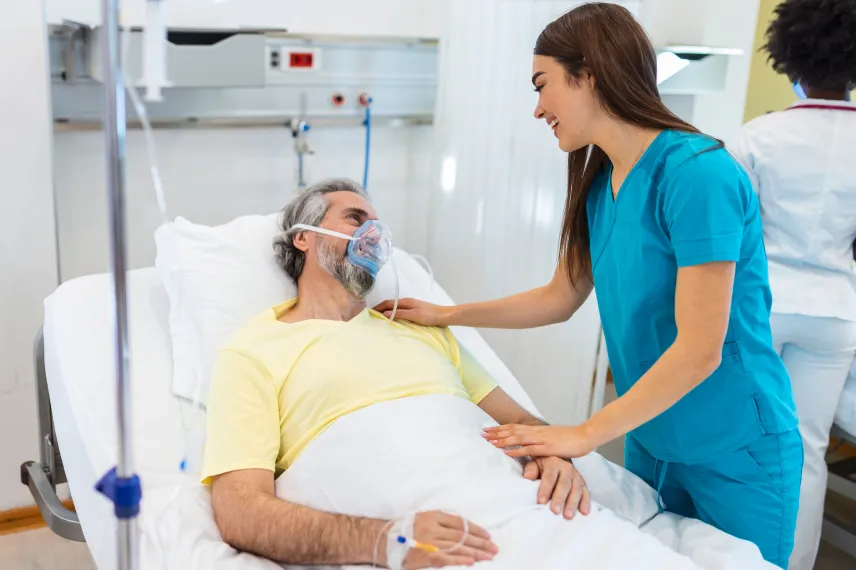
Providing ventilator support at home offers patients comfort and familiarity, but it also comes with significant responsibilities, especially when it comes to emergency preparedness. Families caring for ventilator-dependent patients must be ready to respond to equipment failures, power outages, or sudden health changes. Proper preparation ensures safety, reduces stress, and allows for rapid, effective action when emergencies arise. This guide is designed to help families manage Ventilator Care At Home In Dubai safely by focusing on strategies for emergency readiness and prevention.
Understanding the Need for Emergency Preparedness:
Emergency preparedness is critical because ventilator-dependent patients rely on continuous respiratory support. Any interruption in ventilation can lead to severe complications or health deterioration. By planning ahead, families can respond calmly and efficiently to potential crises, ensuring both patient safety and caregiver confidence.
Identifying Potential Emergencies:
The first step in preparation is understanding the types of emergencies that may occur with home ventilator use. Awareness helps caregivers anticipate challenges and create actionable plans. Common emergencies include:
-
Power outages affecting ventilator operation
-
Equipment malfunctions or disconnections
-
Sudden changes in patient breathing patterns
-
Respiratory infections or unexpected health decline
Creating a Comprehensive Emergency Plan:
A well-structured emergency plan ensures that everyone in the household knows how to respond quickly and effectively. The plan should be written, accessible, and reviewed regularly. Key components include:
-
Clear instructions for ventilator troubleshooting
-
Steps to take during power failures or alarms
-
Contact information for healthcare providers and emergency services
-
Instructions for manual ventilation in critical situations
Ensuring Backup Power and Battery Systems:
Power interruptions are a major risk for home ventilator patients, making reliable backup systems essential. Families should prepare both short-term and long-term solutions to maintain continuous support. Important measures include:
-
Fully charged ventilator batteries for temporary use
-
Portable power banks or generators for extended outages
-
Knowledge of battery life and recharge times
-
Regular testing of backup systems
Learning Manual Ventilation Techniques:
In the event of equipment failure, caregivers must know how to manually support the patient’s breathing until help arrives or the ventilator is restored. Training and practice are key to performing this safely. Manual ventilation preparation includes:
-
Familiarity with a manual resuscitation bag (ambu bag)
-
Understanding proper bagging technique and timing
-
Practicing under supervision before actual emergencies
-
Keeping equipment ready and accessible at all times
Maintaining Ventilator Equipment and Supplies:
Regular maintenance reduces the risk of sudden equipment failure, which is critical for emergency preparedness. Caregivers should incorporate preventive care into daily routines. Essential practices include:
-
Checking tubing, connectors, and masks for damage
-
Cleaning and replacing filters and disposable parts as recommended
-
Monitoring humidifiers and water reservoirs
-
Verifying alarm functionality and settings daily
Recognizing Early Warning Signs:
Prompt detection of changes in patient condition can prevent emergencies from escalating. Caregivers should be able to recognize early warning signs and take appropriate action. Common indicators include:
-
Increased respiratory effort or irregular breathing
-
Changes in skin color or temperature
-
Unusual fatigue or confusion
-
Ventilator alarms signaling pressure or flow issues
Training and Educating Family Members:
Multiple caregivers should be trained in emergency response to ensure consistent and effective action. Shared knowledge builds confidence and reduces delays in care. Training steps include:
-
Demonstrating ventilator setup and operation
-
Reviewing emergency plan procedures
-
Practicing manual ventilation and troubleshooting
-
Assigning clear responsibilities for each caregiver
Establishing Communication With Healthcare Providers:
Close coordination with healthcare professionals is essential for emergency preparedness. Families should know when and how to contact doctors, respiratory therapists, or home nursing services during crises. Effective communication includes:
-
Maintaining a list of emergency contacts and on-call providers
-
Keeping detailed logs of patient observations and ventilator performance
-
Reporting any changes in condition promptly
-
Scheduling regular check-ins for preventative guidance
Preparing a Safe Home Environment:
A home that is organized and free from hazards allows caregivers to act quickly during emergencies. Simple environmental adjustments can make a significant difference. Safety measures include:
-
Keeping pathways around the ventilator clear
-
Ensuring sufficient lighting in care areas
-
Storing emergency equipment within easy reach
-
Avoiding clutter that could obstruct rapid response
Practicing Regular Emergency Drills:
Practice enhances readiness and reduces panic during actual emergencies. Families should conduct regular drills to familiarize everyone with procedures and identify potential weaknesses. Drill practices include:
-
Simulating ventilator power loss
-
Practicing manual ventilation with proper technique
-
Following the written emergency plan from start to finish
-
Reviewing performance and updating plans as needed
Final Thoughts.
Emergency preparedness is a critical component of home ventilator care, ensuring that patients receive continuous support and families respond effectively to unexpected situations. By identifying potential risks, creating comprehensive plans, maintaining equipment, and practicing emergency procedures, caregivers can significantly improve safety and reduce stress. With careful preparation, training, and collaboration with healthcare professionals, Ventilator Care At Home In Dubai becomes a secure and manageable experience, providing peace of mind and optimal protection for ventilator-dependent patients.
Categories
Read More
Painters in Chicopee, MA Keeping your home or business looking its best takes more than simply applying a fresh coat of paint. At Mindful Painting, we provide professional painting services in Chicopee, MA, delivering high-quality workmanship, careful preparation, and finishes designed to last. Whether you're updating a single room, refreshing your home's exterior, or transforming a commercial...

What is Medgate GPT? Medgate GPT is an AI-powered healthcare assistant developed by Medgate Today to make healthcare information more accessible, understandable, and reliable. It is designed to help users explore medical topics, understand healthcare trends, and stay informed about the latest developments in the healthcare industry. Medgate GPT combines artificial intelligence with trusted...
The global aviation landscape is experiencing a significant shift in cargo handling technology to accommodate the rising demands of international trade and logistics. As airports strive for faster turnaround times and more efficient cargo processing, the infrastructure within warehouses and terminals has become a focal point for investment. Central to this infrastructure is the ball deck...

The Abdominal Drainage Kit Market is experiencing steady growth as surgical procedures increase globally, post-operative care standards improve, and advanced drainage technology enhances patient outcomes and recovery. Abdominal drainage kits are essential medical devices used to remove excess fluids, blood, pus, and other secretions from the abdominal cavity following surgery, trauma, or...
Reducing Operational Risk Through Smarter EHS Strategies For many organizations, workplace safety is still treated mainly as a compliance obligation rather than a business priority. Companies often focus on meeting minimum regulatory expectations, assuming that following required procedures is enough to maintain safe operations. While this mindset may appear acceptable at first, it...