


Sanitary Items for Small Bathrooms: Space-Saving Fixes That Truly Work
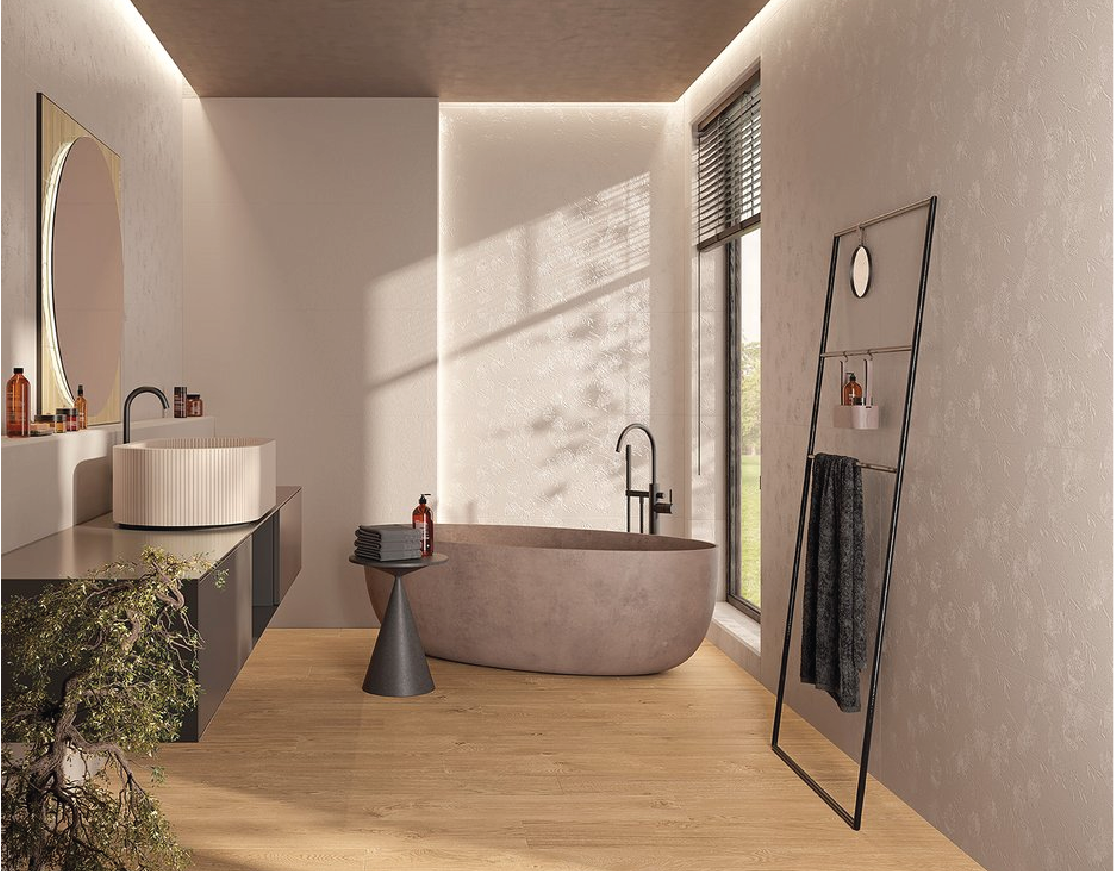
Small bathrooms are no longer rare. Urban apartments, compact homes, guest washrooms, and older properties often come with limited bathroom space. Unfortunately, many small bathrooms feel even tighter than they need to because of poor sanitary choices rather than actual lack of square footage. Oversized fixtures, bad layouts, and unnecessary visual clutter turn a functional space into a daily inconvenience.
The reality is that smart sanitary items can completely change how a small bathroom feels and functions. You don’t always need to expand walls or redo plumbing. With the right fixtures, thoughtful layout, and a clear focus on space optimization, even the smallest bathroom can feel open, comfortable, and modern.
This article explains how to redesign small bathrooms using space-saving sanitary items, what actually makes a difference, and how to avoid common mistakes during a bathroom redesign or home renovation.
Why Small Bathrooms Feel Cramped (Even When They Shouldn’t)
Many homeowners assume their bathroom feels small simply because it is small. In practice, most space problems come from inefficient design. Traditional sanitary items were not designed with compact living in mind. They consume more floor area, block visual flow, and leave little room to move comfortably.
Common reasons small bathrooms feel uncomfortable include:
-
Floor-mounted fixtures crowding the space
-
Poor placement of WCs and basins
-
Bulky storage units that eat usable area
-
Dark finishes and heavy fittings
A successful small bathroom redesign starts by eliminating what doesn’t belong and choosing sanitary items that respect limited space instead of fighting it.
Compact WCs: Saving Space Where It Matters Most
One of the most effective upgrades for small bathrooms is replacing standard toilets with compact WCs. Traditional WCs often extend far from the wall, reducing legroom and interrupting movement. Compact WCs are designed with reduced depth while maintaining comfort and performance.
In small bathrooms, even a few extra inches can dramatically improve usability. Compact WCs also pair well with concealed cisterns, which remove bulky tanks from view and create a cleaner, more streamlined look.
Key advantages of compact WCs include:
-
Reduced projection from the wall
-
Better circulation in tight layouts
-
Cleaner visual lines
-
Compatibility with modern bathroom designs
For guest bathrooms or powder rooms, compact WCs are often the single most impactful change you can make.
Wall-Hung Basins: The Illusion of More Space
Wall-hung basins are a cornerstone of space-saving bathroom design. Unlike pedestal basins, which block both floor and visual space, wall-mounted basins expose the floor beneath them. This instantly makes a bathroom feel more open and less cluttered.
Wall-hung basins also allow flexible height placement, making them ideal for households with varying needs. Many modern designs include slim profiles that prevent splashing without feeling bulky.
Why wall-hung basins work so well in small bathrooms:
-
They free up floor space
-
Cleaning becomes easier
-
The bathroom appears visually larger
-
They complement minimalist fittings
In extremely tight layouts, corner wall-hung basins offer a smart compromise between function and space efficiency.
Storage Ideas That Don’t Shrink the Bathroom
Storage is essential, even in small bathrooms. The mistake most people make is adding storage units that overwhelm the space. Smart storage ideas focus on vertical and hidden areas rather than occupying valuable floor area.
Instead of adding bulky cabinets, integrate storage into existing elements. Mirror cabinets provide storage without using extra space. Recessed niches inside walls are perfect for toiletries, especially in shower areas. Under-basin drawers, when designed slimly, offer storage without visual heaviness.
Effective storage solutions for small bathrooms include:
-
Mirror cabinets with shallow depth
-
Recessed wall niches
-
Floating shelves instead of floor cabinets
-
Tall, narrow storage units
The goal is to keep everyday items accessible while keeping surfaces clear and uncluttered.
Minimalist Fittings: Small Details, Big Impact
In compact bathrooms, fittings should quietly support the design rather than dominate it. Minimalist fittings with clean lines, slim profiles, and neutral finishes reduce visual noise and make the room feel calmer.
Oversized faucets, decorative handles, and bulky accessories draw attention and break visual flow. In contrast, wall-mounted taps, concealed mixers, and integrated accessories blend into the design and free up usable space.
Minimalist fittings help small bathrooms by:
-
Reducing clutter
-
Enhancing a modern aesthetic
-
Improving ease of cleaning
-
Supporting space optimization
Modern Bathroom Tiles That Visually Expand Space
Tiles play a much bigger role in space perception than most people realize. The right modern bathroom tiles can make a small bathroom feel significantly larger without changing its dimensions.
Large-format tiles reduce grout lines, creating a sense of continuity. Light colours reflect more light, while subtle textures add depth without overwhelming the space. Using the same tile on both walls and floors can blur boundaries, making the room feel more expansive.
Smart tile choices for small bathrooms include:
-
Large tiles with minimal grout
-
Light, neutral shades
-
Matt or soft satin finishes
-
Consistent tile layout across surfaces
Tiles should support openness, not compete for attention.
Easy Installation Matters More in Small Bathrooms
Small bathrooms offer very little margin for error. Fixtures that are difficult to install can result in misalignment, leaks, or wasted space. Choosing sanitary items designed for easy installation ensures better results and fewer long-term issues.
Wall-hung systems with pre-aligned frames, compact WCs with standardized connections, and modular fittings simplify installation and reduce mistakes. This is especially important during renovations where plumbing access may be limited.
Benefits of easy-install sanitary items:
-
Faster installation
-
Better alignment in tight spaces
-
Reduced risk of leaks
-
Cleaner overall finish
Easy installation is not just about convenience it protects the final outcome.
Space Optimization Through Smart Layout Planning
Space optimization is not about squeezing more fixtures into a bathroom. It’s about arranging fewer, smarter items in a way that improves flow and comfort. A good layout makes even the smallest bathroom feel usable.
Practical layout principles include:
-
Aligning fixtures along one wall
-
Keeping sightlines clear from the entrance
-
Avoiding unnecessary partitions
-
Using sliding or pocket doors instead of swing doors
A thoughtful layout ensures that each sanitary item has enough breathing room to function properly.
Home Renovation Tips for Small Bathrooms
During a home renovation, small bathrooms deserve special attention because small mistakes are amplified. Instead of full demolition, focus on targeted upgrades that deliver maximum impact.
High-impact renovation ideas include:
-
Replacing bulky fixtures with compact sanitary items
-
Updating tiles to improve light reflection
-
Improving storage without adding bulk
-
Upgrading fittings to minimalist designs
These changes transform functionality without major structural work.
Bathroom Redesign: Prioritizing Function Over Trends
A successful bathroom redesign starts with function. Trends come and go, but poor functionality lasts for years. In small bathrooms, every sanitary item must earn its place.
Before choosing any fixture, ask:
-
Does it save space or waste it?
-
Does it improve daily comfort?
-
Does it simplify cleaning and maintenance?
When form follows function, style naturally follows.
Common Mistakes to Avoid in Small Bathrooms
Even with good intentions, small bathroom projects often fail due to avoidable mistakes. Awareness is key.
Common pitfalls include:
-
Choosing standard-sized fixtures
-
Overloading the bathroom with storage
-
Ignoring vertical space
-
Using dark, heavy finishes
Avoiding these mistakes keeps the bathroom open and balanced.
Final Thoughts: Small Bathroom, Smart Sanitary Choices
Small bathrooms don’t need big solutions, they need smart sanitary items. Compact WCs, wall-hung basins, thoughtful storage ideas, modern bathroom tiles, minimalist fittings, and careful layout planning work together to unlock hidden potential.
With the right focus on space optimization and easy installation, a small bathroom can feel efficient, modern, and surprisingly comfortable. The key lies in choosing sanitary items that respect space, support daily use, and make life easier.
Nach Verein filtern
Read More
Cab from Heathrow to London – Reliable Airport Transfers with YOUWANTTAXI Looking for a reliable Cab from Heathrow to London? After a long flight, having comfortable and convenient transportation waiting for you can make your arrival in London much easier. Whether you're travelling for business, visiting family, or enjoying a holiday, a pre-booked airport cab offers a simple way...

The global Electrical Outlet Timer Market, valued at a robust US$ 1.45 billion in 2024, is on a trajectory of steady expansion, projected to reach US$ 2.05 billion by 2032. This growth, representing a compound annual growth rate (CAGR) of 4.4%, is detailed in a comprehensive new report published by Semiconductor Insight. The study highlights the critical role of these versatile timing devices...

Healthcare organizations are under growing pressure to maintain strict vendor compliance while keeping daily operations efficient. To meet these demands, Green Security has enhanced its mobile-first vendor credentialing platform, built specifically to support hospitals, clinics, and healthcare systems. The upgraded solution simplifies vendor oversight, digitizes compliance tracking, and...

The printing industry is undergoing a significant transformation as manufacturers increasingly adopt advanced production technologies to improve efficiency, scalability, and cost-effectiveness. Roll-to-roll printing has emerged as a highly effective manufacturing process that enables continuous printing on flexible substrates such as plastic films, metal foils, and paper. Its ability to support...

Hyderabad has become a major destination for IT professionals, entrepreneurs, and students. With continuous relocation across the city and to other parts of India, the demand for reliable bike shifting services in Hyderabad is growing rapidly. Transporting your two-wheeler safely requires proper planning, professional handling, and trusted logistics support. If you are looking for dependable...