How Ecommerce Development Companies Help Brands Grow Across International Markets?

The growth of ecommerce has changed how brands think about expansion. Today, businesses no longer need physical stores, overseas offices, or large local teams to enter new markets. With the right digital infrastructure, a brand can reach customers across continents from a single online platform. However, growing internationally is not as simple as launching a website and expecting global traffic to convert.
This is where an experienced ecommerce development company plays a critical role. These companies help brands prepare their online stores for international audiences by building scalable systems, localized user experiences, secure payment flows, and reliable performance across regions. This blog explains how ecommerce development companies support brands in growing across international markets in a structured, practical, and sustainable way.
Why International Growth Requires More Than Just an Online Store?
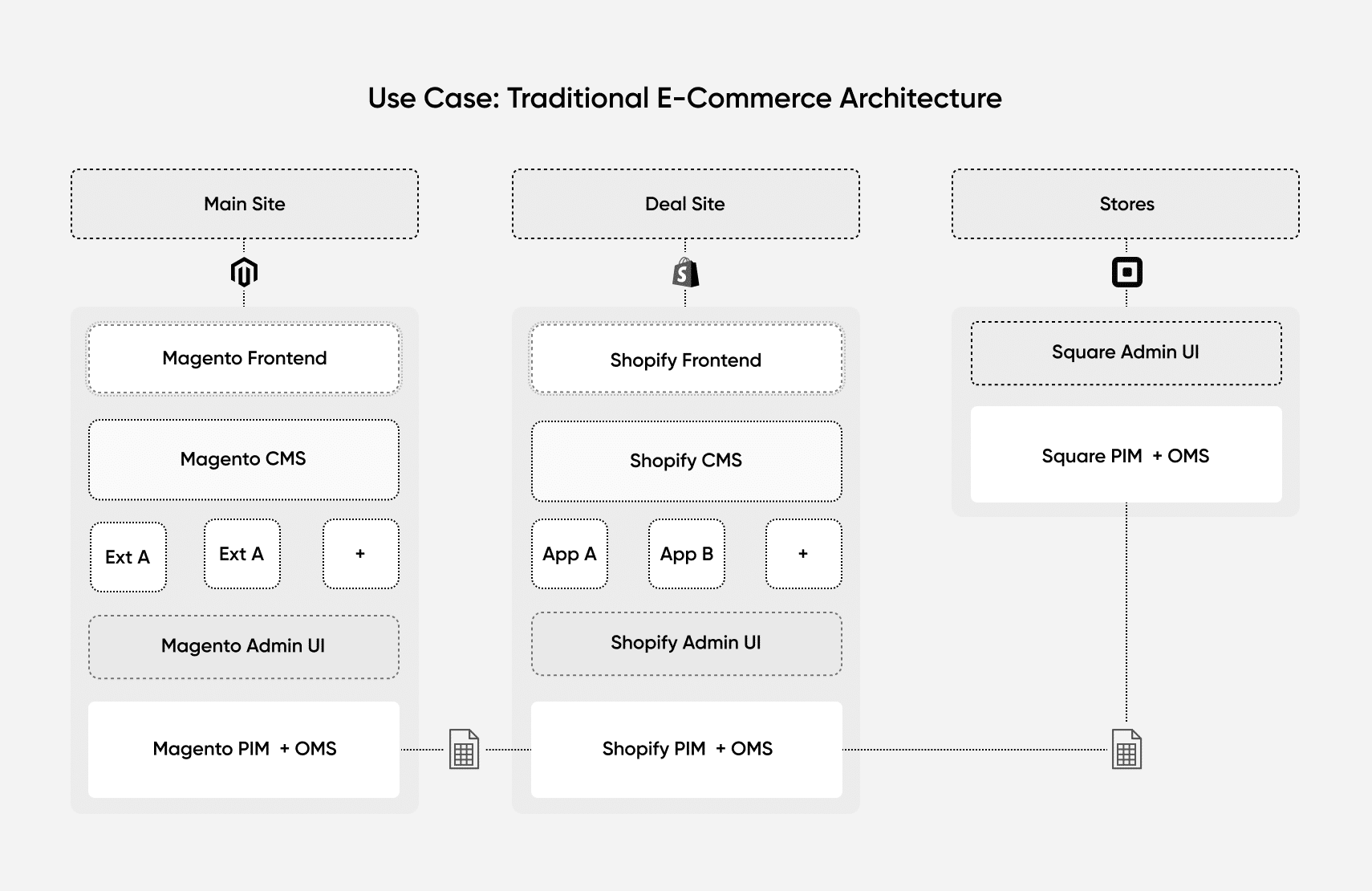

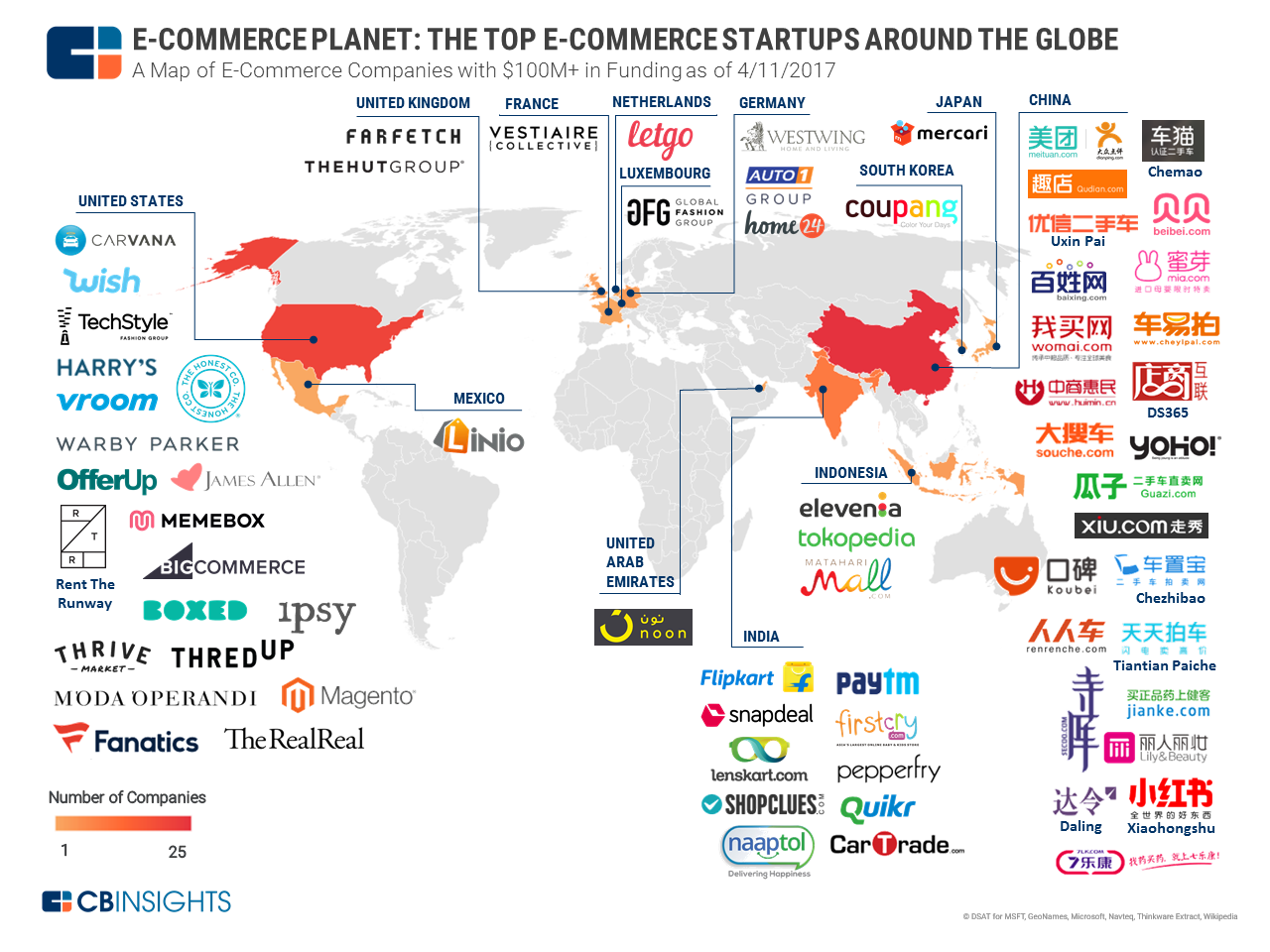
Selling globally involves much more than displaying products online. Brands must handle differences in language, currency, taxes, regulations, shipping expectations, and customer behavior. Without proper technical planning, even strong products may fail to convert in new markets.
An ecommerce website must support:
-
High traffic from multiple regions
-
Fast loading times regardless of location
-
Localized content and pricing
-
Secure transactions and fraud protection
-
Compliance with regional data and consumer laws
Ecommerce development companies help brands address these challenges by building systems that are flexible, stable, and ready for long-term global growth.
Building a Scalable Technical Foundation
One of the most important contributions of an ecommerce development company is creating a technical foundation that can scale across countries. This begins with selecting the right ecommerce platform based on business size, product complexity, and growth goals.
Development teams focus on:
-
Clean and scalable code architecture
-
Cloud-based hosting for global reach
-
Mobile-first design for international users
-
Optimized databases to handle large catalogs
Global users expect fast performance. Developers use content delivery networks (CDNs), caching layers, and optimized APIs to ensure consistent speed across regions. This technical groundwork allows brands to expand without worrying about site crashes or slowdowns during peak demand.
Multi-Language and Multi-Currency Enablement


International customers want to shop in a way that feels familiar. Language, currency, and regional content preferences significantly impact trust and conversion rates. Ecommerce development companies implement systems that support multiple languages and currencies without duplicating entire websites.
This includes:
-
Language translation frameworks
-
Region-based content display
-
Automatic currency conversion
-
Local tax and pricing rules
Beyond translation, developers also adapt layouts for languages with different reading directions and formats. Accurate currency symbols, number formats, and tax calculations reduce confusion and help prevent cart abandonment.
Payment Gateway Integration for Global Markets
Payment preferences vary widely across countries. Some regions rely heavily on credit cards, while others prefer digital wallets, bank transfers, or local payment methods. A strong ecommerce development company integrates multiple payment gateways to support regional preferences.
Key focus areas include:
-
Secure checkout experiences
-
PCI-compliant payment processing
-
Encryption and tokenization
-
Local payment method integration
Along with payment integration, ecommerce development teams also implement systems focused on Ecommerce fraud Prevention. These systems help detect suspicious transactions, reduce chargebacks, and protect both customers and businesses from financial risks when operating internationally.
Shipping, Logistics, and Fulfillment Optimization

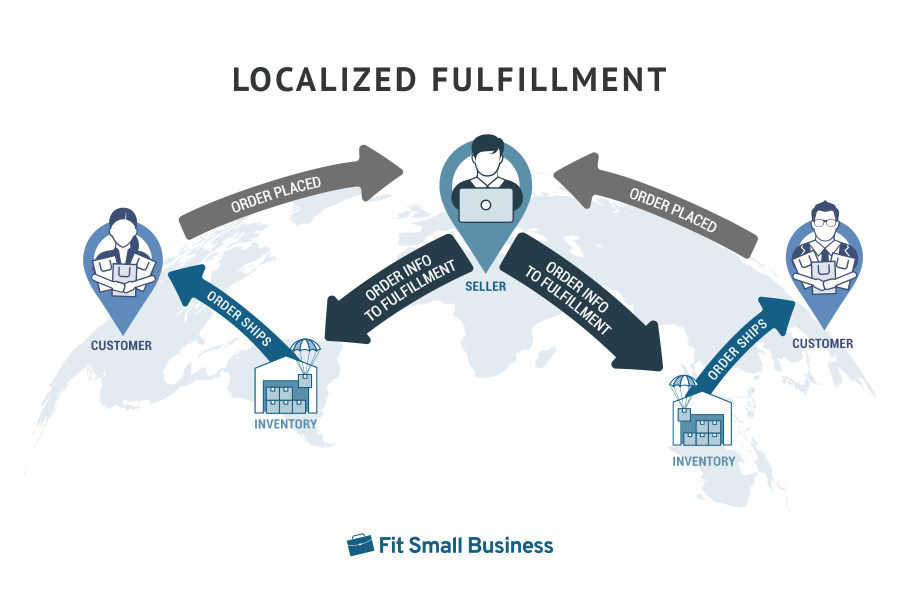
 Shipping is one of the biggest challenges in international ecommerce. Customers expect transparent delivery costs, accurate timelines, and reliable tracking. Ecommerce development companies integrate ecommerce platforms with logistics providers, shipping APIs, and warehouse systems to streamline fulfillment.
This includes:
-
Dynamic shipping rate calculation
-
Integration with international carriers
-
Automated tracking updates
-
Region-based delivery options
These systems help brands manage cross-border shipping efficiently while maintaining a smooth customer experience from checkout to delivery.
Supporting Growth with Dedicated Ecommerce Development Teams
As businesses expand globally, technical requirements increase. Many brands choose to hire dedicated ecommerce developers to manage continuous improvements, integrations, and performance optimization. Dedicated teams work as an extension of the business, providing consistent technical support and faster development cycles.
Dedicated ecommerce developers help with:
-
Platform customization
-
Ongoing feature development
-
Performance and security updates
-
Third-party integrations
This approach allows brands to adapt quickly to market changes without disrupting daily operations.
Ensuring Compliance, Security, and Data Protection
Operating in multiple countries means complying with different legal and regulatory requirements. Ecommerce development companies help brands follow international data protection laws, consumer rights regulations, and payment security standards.
Compliance areas include:
-
Data privacy regulations
-
Secure data storage and encryption
-
Cookie and consent management
-
Regional tax and invoicing rules
Security is equally important. Development teams implement firewalls, secure authentication methods, and monitoring tools to protect customer data and maintain trust across global markets.
Data Insights and Performance Optimization
International growth generates valuable data across regions. Ecommerce development companies integrate analytics and reporting tools that help brands understand user behavior, sales performance, and conversion patterns in different markets.
This data helps businesses:
-
Identify high-performing regions
-
Improve product positioning
-
Optimize pricing strategies
-
Enhance user experience
Continuous optimization ensures that global expansion remains profitable and sustainable over time.
How Ecommerce Development Companies Enable Long-Term Global Success?
An experienced ecommerce development company does more than build a website. It creates a digital ecosystem that supports international growth, operational efficiency, and customer trust. By handling technical complexity, these companies allow brands to focus on marketing, product quality, and customer relationships.
Companies like EmizenTech support global ecommerce growth by delivering scalable platforms, localized experiences, secure systems, and long-term technical support. With the right development partner, brands can enter new markets with confidence and clarity.
Key Benefits at a Glance
| Area | How Development Companies Help |
|---|---|
| Scalability | Handle global traffic and growth |
| Localization | Language, currency, and regional content |
| Payments | Secure, region-specific payment options |
| Security | Fraud prevention and data protection |
| Logistics | Global shipping and fulfillment integration |
| Compliance | Adherence to international regulations |
Conclusion
Growing across international markets requires careful planning, strong technology, and continuous optimization. Ecommerce development companies provide the expertise needed to build scalable systems, localized experiences, and secure operations that support global growth. With the right development approach, brands can confidently expand beyond borders and create long-term success in the global ecommerce landscape.
FAQs
1. How does an ecommerce development company support global expansion?
It builds scalable platforms, integrates global payments, localizes content, and ensures security and compliance across regions.
2. Why is localization important for international ecommerce?
Localization improves trust, usability, and conversion by matching language, currency, and regional preferences.
3. What role does security play in global ecommerce?
Strong security protects customer data, reduces fraud, and ensures compliance with international regulations.
4. When should businesses hire dedicated ecommerce developers?
When ongoing development, customization, and optimization are required to support growth across multiple markets.
5. Can ecommerce platforms handle multi-country operations?
Yes, when developed correctly, ecommerce platforms can manage multi-language, multi-currency, and multi-region operations efficiently.
Categorieën
Read More
Wind Turbine Composites Material Market Size Forecast to Reach USD 25.55 Billion by 2032 Amid Accelerating Renewable Energy Expansion Global Industry Expansion Driven by Lightweight Materials, Structural Efficiency, and Renewable Infrastructure Growth The Wind Turbine Composites Material Market is witnessing significant transformation as global energy systems transition toward...

Running a salon or a spa is hard work. You have a lot of things to do every day. You cut hair, you paint nails, and you give nice face massages. You want your clients to feel happy and look beautiful. But you also need to run a good business. You need to keep your chairs full. You want your old clients to come back. You also want to find new clients. Today, there is a very easy way to do this....

According to the latest report published by Data Bridge Market Research, the Customer Communication Management Software Market CAGR Value The universal Customer Communication Management Software Market report has explained in-depth market insights about market size, latest trends, market threats and key drivers driving the market. This market research report also supports...

Beetroot has been regarded as a valuable food since ancient times because of its bright red color and its complete nutritional value. Research studies of today are examining how Beetroot extract can reduce inflammation while showing its effects on various metabolic functions. Beetroot extract which comes from Beta vulgaris root, contains beneficial compounds like betalains and nitrates...

Home repairs are a normal part of life. A dripping faucet, a clogged drain, or a leaking pipe can happen in any home. When problems come up, many people ask the same question: should I fix it myself or call a professional? DIY repairs can save money and help homeowners learn basic maintenance skills. At the same time, some...