How Advanced CNC Tool Technology Supports Modern Production
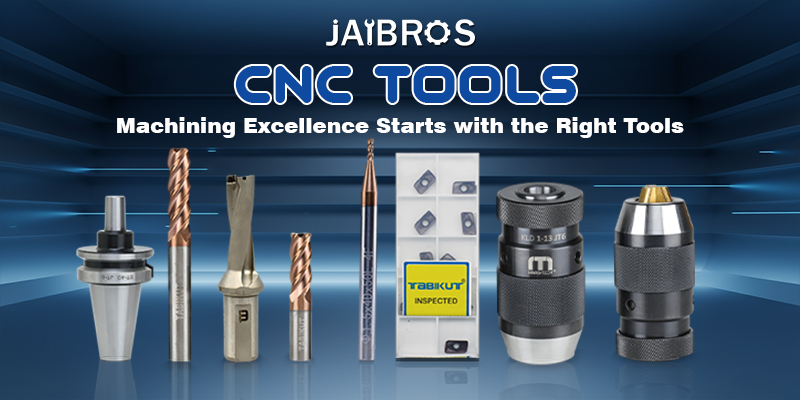
Learn the key things to check before buying a CNC tool to ensure better accuracy, longer tool life, machine compatibility, and cost efficiency.
What to Check Before Buying a CNC Tool
Buying the right machining equipment is a critical decision for any manufacturing or job-shop operation. A single wrong purchase can lead to poor surface finish, frequent tool failure, and unnecessary production delays. Choosing a reliable CNC tool is not only about cutting metal; it is about ensuring accuracy, productivity, and long-term cost control. Before investing in tooling, machinists and manufacturers should evaluate several important factors to make an informed decision.
Understand Your Machining Application
Because all machines are different, you first need to know what kind of application you're using the machine for before purchasing any tooling. For example, different operations (i.e. turning vs. drilling vs. CNC milling) will put different demands on tools. In addition, what type of material you're machining, your cutting depth, and your production volume will all affect which tool you choose. By understanding your application, you'll help prevent mismatches between your tool capabilities and machining needs.
Modern CNC machines are capable of performing a wide variety of tasks, but you'll need to select tooling appropriately. For example, tooling for high-speed operations must be able to withstand the effects of heat and vibration; tooling for heavy cutting must provide a high level of rigidity and strength. To choose the appropriate tool, you'll first need to identify how and where you will be using the tool.
Check Material Compatibility
Material compatibility is one of the most important factors when selecting tooling. Aluminum, mild steel, stainless steel, and hardened alloys each require different cutting characteristics. Tool material, coating, and edge design should match the workpiece material to ensure stable cutting and longer tool life.
Using incompatible CNC can lead to rapid wear, poor chip evacuation, and dimensional inaccuracies. Before buying, confirm that the tool is recommended for your material type and machining conditions. A well-matched CNC tool delivers consistent performance and minimizes unexpected failures during production.
Evaluate Tool Geometry and Design
Tool geometry directly affects cutting forces, vibration control, and surface finish. Rake angle, clearance angle, and nose radius must be appropriate for your machining process. Poor geometry can increase cutting resistance and reduce accuracy, even on advanced machines.
For precision machining, tool balance and edge quality are critical. In CNC milling operations, optimized geometry improves chip flow and prevents built-up edge formation. Selecting a well-designed tool ensures smoother cutting action and better dimensional control across repeated cycles.
Consider Tool Coatings and Wear Resistance
Coatings play a vital role in modern machining. Advanced coatings reduce friction, improve heat resistance, and protect the cutting edge from wear. This allows tools to operate at higher speeds while maintaining accuracy and surface quality.
Before purchasing, check whether the tool includes a coating suitable for your application. Coated tools often last longer and reduce downtime caused by frequent tool changes. Investing in a coated CNC can significantly improve productivity and overall machining efficiency.
Machine Compatibility and Performance Limits
Not all tools are suitable for every machine. Spindle speed, power output, rigidity, and tool holder compatibility must be considered. Even the best tooling will underperform if it exceeds the machine’s capabilities.
Understanding CNC machine price ranges can also help guide your decision. High-end machines may support advanced tooling options, while entry-level machines require more conservative tool selection. Ensuring compatibility between machine and CNC tool protects both equipment and workpiece quality.
Tool Life and Cost Efficiency
While upfront cost is important, focusing only on price can be misleading. Low-cost tools may wear out quickly, increasing downtime and replacement expenses. High-quality CNC tools often offer better consistency, longer life, and improved performance over time.
Evaluate cost efficiency by considering tool life, maintenance requirements, and impact on productivity. A durable tool may cost more initially but can reduce overall production costs through fewer failures and higher machining stability.
Supplier Reliability and Technical Support
The reputation of the supplier is another key factor. Reliable suppliers provide consistent quality, proper documentation, and technical support. Access to guidance on tool selection, usage, and troubleshooting adds significant value.
Choosing a trusted supplier ensures you receive genuine CNC tools that meet industry standards. A dependable CNC tool backed by expert support helps maintain smooth operations and reduces the risk of costly mistakes.
Importance of Testing and Feedback
Whenever possible, testing tools before full-scale production is recommended. Trial runs help evaluate cutting performance, surface finish, and tool life under real working conditions. Feedback from machinists also provides insights into usability and reliability.
Continuous improvement in tooling selection leads to better machining outcomes. Refining your choice of CNC tool based on performance data helps optimize processes and maintain consistent quality.
Conclusion
Buying machining equipment should never be rushed. By carefully evaluating application needs, material compatibility, geometry, coatings, machine limits, and supplier reliability, manufacturers can make smarter purchasing decisions. The right tool improves accuracy, reduces downtime, and enhances overall productivity.
For manufacturers looking for dependable and performance-driven tooling solutions, Jaibros offers a wide range of high-quality CNC tools designed for modern machining requirements. With a strong focus on durability, precision, and customer support, Jaibros helps businesses achieve efficient production and consistent machining results, making it a trusted choice for tooling needs.
Frequently Asked Questions
1. Why is tool selection important before purchasing?
Proper selection ensures better accuracy, longer tool life, and reduced machining problems.
2. How does material affect tool choice?
Different materials require specific tool geometry, coatings, and cutting characteristics.
3. Are coated tools always better?
In most cases, coatings improve wear resistance and heat control, especially in high-speed operations.
4. Does machine capability influence tooling decisions?
Yes, tooling must match spindle speed, power, and rigidity of the machine.
5. Should price be the main factor when buying tools?
No, long-term performance and tool life are more important than initial cost.
Kategoriler
Read More
Acrylic Staple Fibre is an important synthetic fiber widely used in the textile industry for producing sweaters, blankets, carpets, upholstery fabrics, and various apparel products. Because of its wool-like feel, durability, and affordability, it remains a popular choice among manufacturers and consumers. The Acrylic Staple Fibre Price Trend is closely monitored by businesses, traders, and...

Weight management is one of the most common health goals worldwide. Many adults struggle with stubborn fat, slow metabolism, frequent cravings, and low energy levels. Modern lifestyles often include long working hours, processed foods, irregular sleep, and stress—all of which can make it harder to maintain a healthy body weight. In response to these challenges, many people are now turning...

Better With Age: Designed to Evolve Over Time In a fashion industry often driven by rapid trends and short-lived hype, Better With Age offers a refreshing alternative rooted in patience, authenticity, and craftsmanship. The brand’s name reflects its philosophy: clothing should not deteriorate with time but instead develop character, depth, and individuality. By focusing on durable...

We all know that being a teenager isn't easy. They face pressures from school, friends, family, and the constant buzz of social media. But lately, something new has entered the picture: artificial intelligence. More and more teens are chatting with AI companions for comfort, advice, and even friendship. Why is this happening? As I look into it, it seems clear that AI fills voids that real-life...

Redefining Luxury Through Craft and Character: In a fashion landscape often driven by fleeting trends, Chrome Hearts stands apart as a brand rooted in identity, artistry, and attitude. Known for its rebellious spirit and meticulous craftsmanship, the label has built a cult following across the globe. Among its most distinctive offerings, Chrome Hearts Ring and Chrome Hearts glasses capture the...