


The Science Behind a Bionic Hand and How It Restores Movement
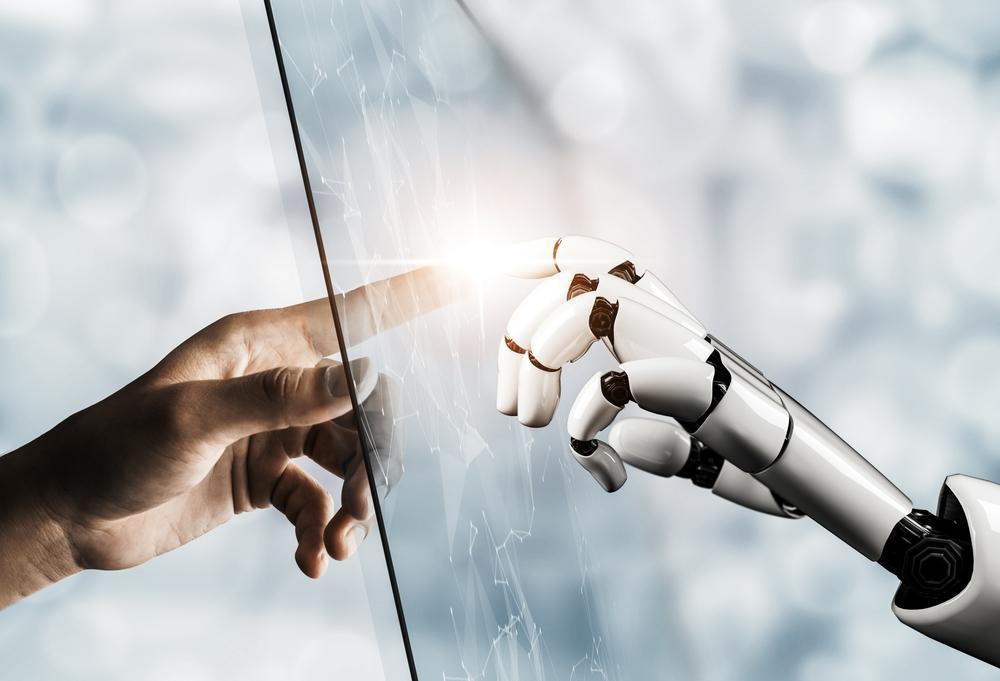
Movement Is Central to Human Independence
Movement shapes daily life. It allows people to work, create, and connect. When movement is limited, independence often feels reduced.
Losing a hand affects more than physical ability. It changes routines and self confidence. Simple tasks can become emotional challenges.
Science and innovation now work together to address this loss. Advanced prosthetics focus on restoring motion while respecting human experience.
Understanding What a Bionic hand Really Is
A Bionic hand is not a simple mechanical tool. It is a system that combines biology, electronics, and engineering. Its goal is to recreate natural movement.
This device responds to signals from the human body. Muscles send electrical impulses when a person intends to move. Sensors detect these impulses and translate them into action.
Through this process, intention becomes motion. The hand opens, closes, or grips in response. This connection forms the foundation of movement restoration.
The Role of Muscle Signals in Restoring Motion
How the body communicates with technology
Muscle signals are the key to control. When muscles contract, they generate small electrical signals. These signals carry information about intended movement.
Electrodes placed on the skin or within the prosthetic detect these signals. The system analyzes them and determines the desired action.
This process happens quickly. As a result, movement feels responsive. The device follows intention rather than forcing behavior.
Learning and adaptation over time
The system improves with use. It learns patterns unique to each user. This learning increases accuracy and smoothness.
Over time, users need less conscious effort. Movement becomes intuitive. The brain and device work together naturally.
Mechanics That Mimic the Human Hand
The human hand is complex. It performs delicate and powerful actions. Replicating this function requires precision.
Advanced prosthetics use motors and joints to mimic natural motion. Each finger may move independently. This design supports varied grip styles.
Materials also matter. Lightweight components reduce strain. Durable construction ensures reliability. Together, these features support daily use.
Sensory Feedback and the Feeling of Control
Why feedback matters
Movement without feedback feels incomplete. Sensory input helps people understand pressure and position. It guides safe interaction with objects.
Some systems provide feedback through vibration or resistance. This feedback informs the user about grip strength. It reduces the risk of dropping or crushing objects.
Although still developing, this feature enhances realism. It strengthens the connection between user and device.
Improving confidence through awareness
Feedback builds trust. Users feel more confident performing tasks. They rely on the device without constant visual monitoring.
This confidence improves efficiency. It also reduces mental fatigue. The experience feels more natural and less mechanical.
The Brain’s Role in Movement Restoration
The brain adapts quickly. Neuroplasticity allows it to form new connections. This ability supports prosthetic use.
When using a Bionic hand, the brain learns to associate signals with movement. Training accelerates this process. Repetition strengthens control.
Over time, the device feels like part of the body. This integration marks a major success in movement restoration.
Training That Turns Science Into Skill
Learning to use advanced prosthetics takes practice. Training focuses on coordination and precision.
Therapists guide users through structured exercises. These exercises improve muscle control and timing. Progress builds confidence.
With consistent training, users perform complex tasks. Writing, cooking, and lifting become possible again. Science transforms into skill.
Real Life Impact on Daily Activities
Restored movement changes daily life. Tasks once avoided become manageable. Independence increases.
Users regain control over personal routines. They rely less on assistance. This independence supports dignity.
The impact extends beyond function. Emotional well being improves. People feel capable and empowered.
Limitations and Ongoing Scientific Research
No technology is perfect. Challenges remain in feedback accuracy and affordability. Research continues to address these issues.
Scientists explore better sensors and smarter algorithms. These improvements aim to enhance realism and access.
Progress depends on collaboration. Engineers, clinicians, and users contribute to innovation. Each insight moves science forward.
The Future of Movement Restoration
The future holds promise. Research focuses on deeper integration between brain and device. This direction may allow even finer control.
Affordability remains a priority. Wider access means more lives improved. Innovation must reach those who need it most.
As science advances, the Bionic hand will continue to evolve. It will restore movement with greater precision and comfort.
Where Science Meets Humanity
Science succeeds when it serves people. Advanced prosthetics reflect this purpose. They restore motion while honoring human experience.
The Bionic hand represents this balance. It blends biology and technology through thoughtful design.
By restoring movement, it restores independence. It turns scientific progress into meaningful change.
Категории
Больше
Maintaining an active lifestyle is one of the best ways to improve overall health, boost energy levels, and enhance mental well-being. Whether you are just beginning your fitness journey or looking to elevate your current routine, fitness classes chula vista offer a wide range of options to help you achieve your goals. From strength training and cardio workouts to yoga and Pilates, group...

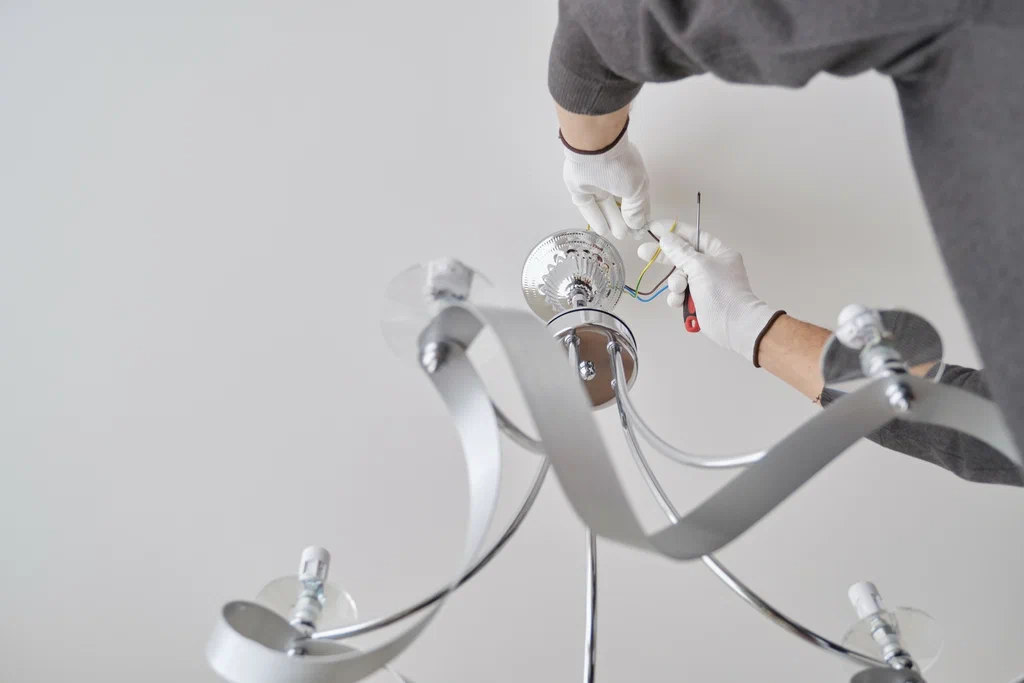
A professionally installed chandelier adds elegance, style, and proper lighting to any space. Chandelier Installation Bronx provides expert services for homes and businesses, ensuring chandeliers are securely mounted and wired correctly. Proper installation is essential for safety, functionality, and long-lasting performance. Choosing Chandelier Installation Bronx ensures precise installation...
In today’s fashion-forward world, women are constantly seeking outfits that strike the perfect balance between elegance, comfort, and versatility. One trend that has taken the fashion industry by storm is the co-ord set—a perfectly matched outfit that exudes sophistication with minimal effort. When it comes to premium quality and stylish designs, Jaey Shop stands out as a go-to...

Beauty and fashion trends are evolving faster than ever, and modern brides, party lovers, college girls, and working professionals now want much more than basic makeup or haircuts. Today’s beauty world is focused on glowing skin, healthy hair, soft glam makeup, and luxury self-care that helps people feel confident and stylish for every occasion. From wedding season and engagement parties...

Home security is a major concern for homeowners who want to protect their families, belongings, and property from unexpected threats. As security technology continues to evolve, many households are investing in Alarm Systems Residential solutions to enhance protection and gain greater peace of mind. Modern alarm systems provide advanced monitoring capabilities that help homeowners stay aware of...
