


How Do Certified Remediation Methods for Cleaning Black Mold Ensure Long-Term Prevention Compared to DIY Attempts?
Summary
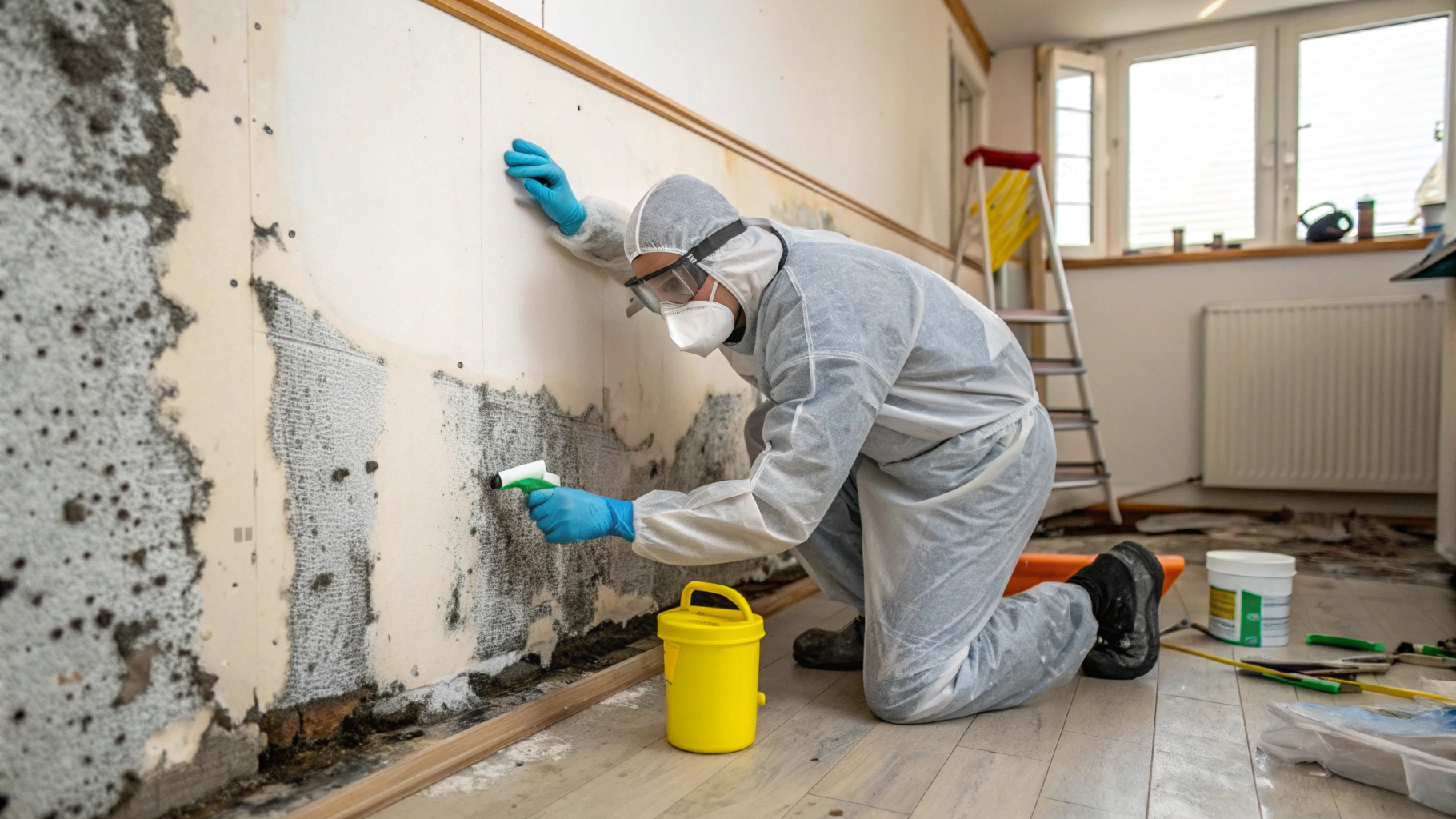
Certified mold remediation ensures long-term prevention by addressing both visible mold and its underlying causes. Unlike DIY methods that only clean surfaces, professional remediation includes thorough inspections, containment, safe removal of contaminated materials, moisture control, and post-remediation testing. This comprehensive, standards-based approach prevents mold regrowth, protects indoor air quality, reduces health risks, and avoids repeated damage making it far more effective and sustainable than temporary DIY cleaning attempts.
-
Introduction
Black mold is more than an unsightly household problem. It is a persistent environmental hazard that can compromise indoor air quality, damage building materials, and pose serious health risks. When homeowners discover black mold, many consider do-it-yourself (DIY) cleaning solutions as a quick and cost-effective fix. However, certified mold remediation methods offer a fundamentally different approach, one designed not just to remove visible mold, but to ensure long-term prevention.
This article explains why certified remediation methods for cleaning black mold are more effective and sustainable than DIY attempts, and how professional practices protect both your property and health over time.
Understanding Black Mold and Why It Persists
Black mold (commonly associated with Stachybotrys chartarum) thrives in environments with excessive moisture, such as bathrooms, basements, HVAC systems, and areas affected by leaks or flooding. This is why cleaning black mold is often more complex than it appears. What makes black mold particularly challenging is that it spreads through microscopic airborne spores, grows deep into porous materials like drywall, wood, and insulation, and often signals an underlying moisture problem. Removing surface mold alone does not address these root causes.
What Are Certified Mold Remediation Methods?
Certified mold remediation follows industry-recognized standards established by organizations such as the IICRC (Institute of Inspection, Cleaning and Restoration Certification) and EPA guidelines. These methods involve a structured, science-based process that includes:
-
Professional mold assessment and testing.
-
Containment of affected areas.
-
Safe mold removal and disposal.
-
Moisture source identification and correction.
-
Post-remediation verification.
The objective is complete mold elimination and long-term prevention, not temporary cosmetic improvement.
Limitations of DIY Black Mold Cleaning Attempts
DIY mold removal often relies on household cleaners like bleach, vinegar, or hydrogen peroxide. While these may remove visible mold temporarily, they have significant limitations.
Common Issues with DIY Mold Removal
-
Surface-level cleaning only
DIY methods do not penetrate porous materials where mold roots (hyphae) grow. -
Spore dispersal
Scrubbing without containment releases spores into the air, spreading contamination to other rooms. -
No moisture control
DIY efforts rarely identify or fix the underlying water intrusion or humidity issue. -
Health risks
Without proper protective equipment, individuals may inhale spores or mycotoxins.
As a result, mold often returns, sometimes more aggressively than before.
How Certified Remediation Ensures Long-Term Prevention
1. Comprehensive Mold Inspection and Testing
Certified professionals begin with a detailed assessment using moisture meters, infrared cameras, and air or surface sampling. This step ensures:
-
Accurate identification of mold type and extent.
-
Detection of hidden mold behind walls or under flooring.
-
Clear remediation scope and strategy.
DIY cleaning lacks this diagnostic foundation, increasing the likelihood of incomplete removal.
2. Containment Prevents Cross-Contamination
Professional remediation uses physical containment barriers, negative air pressure, and HEPA filtration to isolate affected areas.
This ensures:
-
Mold spores are not spread to clean spaces
-
Indoor air quality remains controlled during removal
DIY attempts typically overlook containment, allowing spores to circulate throughout the home.
3. Removal, Not Just Cleaning
Certified remediation focuses on removal of contaminated materials, not merely cleaning them.
This may include:
-
Cutting out mold-infested drywall.
-
Removing compromised insulation or carpeting.
-
Disposing of materials following safety regulations.
DIY solutions often leave mold roots intact, allowing regrowth.
4. Advanced Cleaning and HEPA Filtration
Professionals use:
-
EPA-approved antimicrobial treatments.
-
HEPA vacuums that capture microscopic spores.
-
Industrial-grade cleaning agents designed for mold remediation.
These tools eliminate residual contamination that household products cannot address.
5. Moisture Control and Structural Corrections
Long-term prevention depends on eliminating moisture sources. Certified remediation includes:
-
Identifying leaks, condensation, or ventilation issues.
-
Recommending or performing repairs.
-
Installing dehumidifiers or improving airflow.
DIY efforts usually ignore moisture management, which is the primary reason mold returns.
6. Post-Remediation Verification (Clearance Testing)
Certified remediation concludes with verification to ensure the problem is resolved.
This may involve:
-
Air quality testing
-
Visual inspection.
-
Moisture level confirmation.
DIY cleaning offers no measurable proof that mold has been fully eliminated.
Health and Safety Advantages of Certified Remediation
Professional remediation prioritizes occupant safety by using:
-
Personal protective equipment (PPE).
-
Controlled removal techniques.
-
Safe disposal procedures.
This reduces the risk of respiratory issues, allergic reactions, and long-term exposure to mycotoxins risks that are significantly higher with DIY cleaning.
Final Thought
Certified remediation methods provide a level of precision, safety, and durability that DIY efforts simply cannot match when addressing black mold. By focusing on complete removal, moisture control, and verification, professionals do more than just clean black mold; they eliminate the conditions that allow it to thrive. DIY attempts may offer temporary visual improvement, but without addressing hidden contamination and moisture sources, mold is likely to return. Choosing certified remediation is a proactive, long-term solution that protects both property integrity and occupant health.
Categorieën
Read More
Healthy, glowing skin is something many people strive to achieve. Over time, however, factors such as aging, sun exposure, acne scars, uneven pigmentation, and environmental pollution can affect the skin's appearance. Modern aesthetic treatments offer advanced solutions to restore smoother, clearer, and younger-looking skin. One of the most effective options available today is Laser Skin...

Exactitude Consultancy has just released a new report that dives into the global Healthcare Cloud Computing market. It explores everything from market size and share to demand and forecasts all the way through 2033. By analyzing historical data alongside current trends, the report sheds light on competitive strategies and the key factors driving market growth. Get FREE Sample Copy of...

Netflix's 'House of Cards' enters a new era as seasoned writers Melissa James Gibson and Frank Pugliese ascend to the roles of showrunners. The duo, integral to the series since its third season, will steer the acclaimed political drama into its fifth chapter, collaborating with executive producer Kevin Spacey. This leadership transition coincides with the imminent release of the show's fourth...

Botox has become one of the most sought-after non-surgical cosmetic procedures worldwide, offering an effective solution to smooth fine lines, wrinkles, and facial creases. In Islamabad, the demand for professional Botox services has grown rapidly as individuals increasingly prefer minimally invasive treatments for a youthful and rejuvenated appearance. Royal Cosmetic Surgery Clinic Islamabad...

According to a new report from Intel Market Research, the India uPVC Window market was valued at USD 1.23 billion in 2024 and is projected to grow from USD 1.33 billion in 2025 to USD 2.01 billion by 2032, exhibiting a robust CAGR of 8.5% during the forecast period. This growth is driven by India's booming construction sector, rapid urbanization, increasing awareness about energy-efficient...