CNC Tool Technology Driving Precision & Manufacturing Efficiency
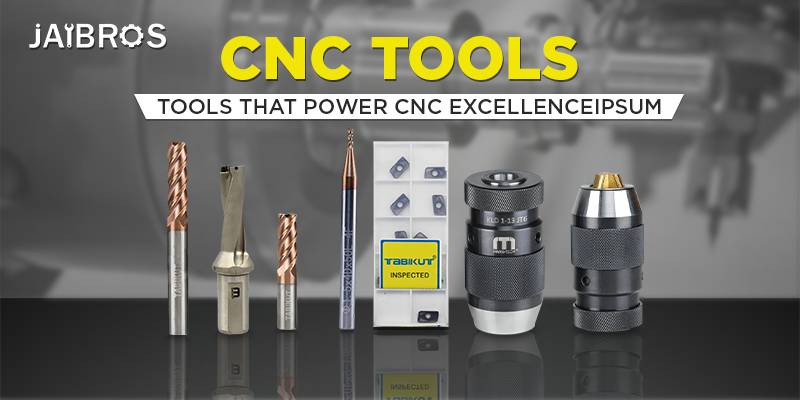
Explore how CNC tool technology improves precision, efficiency, automation, and productivity in modern manufacturing industries.
Advancing Manufacturing with Modern CNC Tool Technology
Modern manufacturing has undergone a remarkable transformation over the past few decades. Increased demand for high accuracy, faster production cycles, and consistent quality has pushed industries to adopt advanced machining solutions. At the heart of this transformation lies advanced tooling technology, which enables manufacturers to meet strict tolerances while maintaining efficiency. A well-designed CNC tool is a critical factor in achieving precision, repeatability, and productivity across industries such as automotive, aerospace, electronics, and industrial engineering.
Evolution of Tooling in Modern Manufacturing
Traditional machining relied heavily on manual setups and operator skills, which often led to variations in quality. With the introduction of CNC machine tools, manufacturing shifted toward automation, consistency, and scalability. However, machines alone cannot deliver precision without proper tooling. Advances in materials, coatings, and geometry have significantly improved the performance of modern tools.
Today’s tooling solutions are engineered to withstand higher cutting speeds and extreme temperatures while maintaining dimensional accuracy. A reliable CNC tool allows manufacturers to fully utilize machine capabilities, ensuring smoother operations and predictable results even in high-volume production environments.
Precision Manufacturing and Accuracy Control
Precision is one of the most critical requirements in modern manufacturing. Components must meet exact specifications, often within microns, to function correctly in assemblies. Tool geometry, balance, and edge sharpness directly affect accuracy during machining operations.
Advanced tooling technology minimizes vibration and deflection during cutting, which helps maintain tight tolerances. In processes like CNC milling, optimized tool design improves chip evacuation and reduces cutting forces. Selecting the right CNC tool ensures consistent part quality and reduces the need for rework or secondary finishing operations.
Efficiency Gains Through Advanced Tool Design
Efficiency in manufacturing is not only about speed but also about minimizing downtime and waste. Modern tool designs focus on improving cutting performance while extending tool life. Advanced coatings reduce friction and heat buildup, allowing tools to operate at higher speeds without premature wear.
Using high-performance tools enables manufacturers to shorten cycle times and increase output without compromising quality. Improved efficiency also leads to better machine utilization, which is especially important when considering CNC machine price and return on investment. A durable tool contributes directly to lower operational costs and higher productivity.
Role of Tool Materials and Coatings
Material selection plays a vital role in tool performance. Carbide, ceramic, and coated tools are widely used due to their strength and wear resistance. Coatings such as TiAlN or similar advanced layers enhance thermal stability and protect cutting edges during demanding operations.
These improvements allow tools to maintain consistent performance over longer production runs. In high-speed CNC milling applications, coated tools reduce heat transfer to the workpiece, improving surface finish and dimensional accuracy. Choosing the right tool material and coating combination is essential for balancing speed, precision, and durability.
Compatibility with Modern CNC Machines
Tooling must be compatible with the capabilities of modern CNC machine tools. Factors such as spindle speed, rigidity, and control accuracy influence tool performance. Advanced machines are designed to work with high-precision tooling that supports automated tool changes and stable cutting conditions.
Understanding machine limitations and matching them with suitable CNC tools helps avoid excessive wear and mechanical stress. This compatibility ensures smoother machining processes and protects both the machine and the tooling investment. A properly matched CNC enhances overall system reliability and performance.
Cost Efficiency and Long-Term Value
While tooling cost is an important consideration, focusing only on initial price can be misleading. High-quality tools often provide better long-term value by reducing downtime, tool changes, and scrap rates. This is particularly important for manufacturers aiming to control costs while maintaining quality standards.
Evaluating tooling based on performance, lifespan, and consistency helps manufacturers make informed purchasing decisions. A well-engineered CNC tool delivers stable performance over time, resulting in improved efficiency and reduced total production costs.
Supporting Automation and Smart Manufacturing
As manufacturing moves toward automation and smart factories, tooling technology continues to evolve. Modern tools are designed to support automated machining systems, enabling lights-out production and real-time process monitoring.
Consistent tool performance is essential for automated environments where manual intervention is minimal. Reliable tooling ensures predictable results and supports data-driven optimization strategies. In this context, a dependable tool becomes a key enabler of advanced manufacturing workflows.
Conclusion: Technology That Shapes Manufacturing Success
CNC tooling technology plays a crucial role in driving precision, efficiency, and competitiveness in modern manufacturing. From improved accuracy and faster cycle times to better cost control and automation support, advanced tooling solutions help manufacturers meet growing industry demands. Selecting the right CNC tool allows businesses to maximize machine performance, maintain consistent quality, and achieve long-term operational success.
For manufacturers seeking reliable and performance-focused tooling solutions, Jaibros offers a comprehensive range of high-quality CNC engineered for modern machining applications. With a strong emphasis on precision, durability, and efficiency, Jaibros supports manufacturers in achieving superior results and sustainable productivity, making it a trusted partner for today’s manufacturing needs.
Frequently Asked Questions (FAQs)
1. Why is tooling technology important in modern manufacturing?
It improves accuracy, efficiency, tool life, and overall production consistency.
2. How does tool design affect machining precision?
Optimized geometry reduces vibration, improves chip control, and maintains tight tolerances.
3. Do advanced coatings really improve performance?
Yes, coatings enhance wear resistance, heat control, and cutting stability.
4. How does tooling impact manufacturing costs?
High-quality tools reduce downtime, scrap, and tool replacement costs.
5. Is tooling selection important for automation?
Absolutely. Consistent tool performance is essential for automated and smart manufacturing systems.
Categories
Read More
For many start-up swimwear brands and retailers, one of the biggest challenges isn’t the design — it’s finding reliable swimwear vendors. From inconsistent quality to communication delays and missed deadlines, working with the wrong vendor can hurt your brand reputation before it even begins to grow. A professional vendor, however, can transform your vision into reality...

Wooden floor tiles are a popular choice in interior design, offering a blend of elegance, warmth, and versatility to enhance any living space. When it comes to revamping your home with wooden floor tiles, the variety of options can be both exciting and overwhelming. From classic hardwood to innovative engineered wood, each type of wooden floor tile brings its own unique characteristics and...

Introduction to Cricket and Online Platforms Cricket is one of the most loved sports, especially in countries like India where millions of fans follow every match with passion. With the growth of digital platforms, the way people connect with cricket has changed. Online platforms like Diamond Exchange 99 provide users with a space where they can stay connected with matches in a more interactive...
Simple guide on how CNC tools improve accuracy, speed, and finish in modern Indian workshops for reliable metal cutting and shaping. What Are CNC Tools? CNC Tools are unique cutting devices that are used in machines, which operate using digital signals; they read programmed commands rather than gauging or measuring with your hand or by guesswork. Because these tools move with precision,...

In the exceptionally dynamic and high-stakes environment of the operational technology security market, the practice of conducting a rigorous, methodical, and continuous competitive analysis is not merely a beneficial exercise; it is an indispensable and foundational discipline for strategic planning and long-term market relevance. The competitive landscape is in a perpetual state of...