


Common Mistakes to Avoid When Buying a CNC Tool
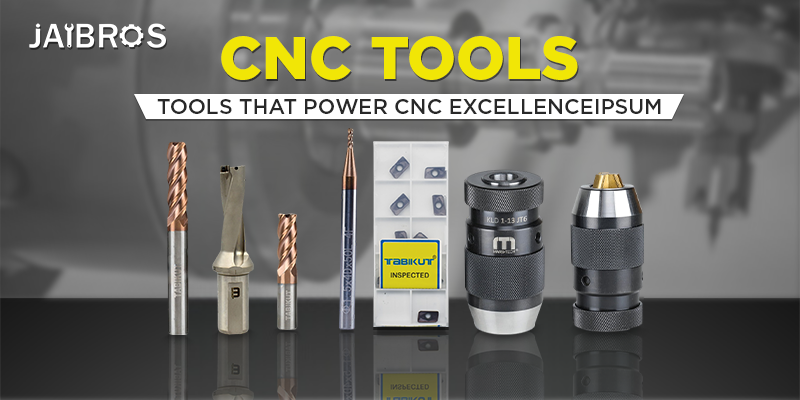
Avoid common mistakes when purchasing a CNC tool and learn how to choose the right option for accuracy, tool life, and efficient machining.
CNC Tool Buying Errors and How to Avoid Them
When buying tools for machining, you should take into account everything from the type of CNC machine you will use to how much the equipment will cost. Depending on your choice of machine, you may be able to increase your overall productivity, accuracy, and profitability by making an informed decision. Conversely, making a poor decision could result in frequent machinery breakdowns, inconsistently high quality, and continual increases in operating costs. Many purchasers focus only on the company's name or brand and on price, which ignores vital technical and operational considerations. Those who avoid the common errors made when selecting CNC tools will experience the benefits of long-term performance, continual reliability, and efficiency from their equipment within today's manufacturing environments.
Not Understanding the Machining Application
Buyers frequently make the same mistake when purchasing tools: they do not clearly understand what type of machining application they need the tool for. All manufacturing processes have specific requirements according to material type, tolerance levels, cutting depth, and production volumes. As a result, buying a CNC tool without knowing exactly what it will be used for can lead to poor quality, premature wear, and inadequate functionality.
For example, tools that were designed to be used with light finishing operations have been known to break when used to perform heavy cutting applications. Conversely, tooling designed specifically for aluminum will not typically perform well when cutting stainless steel. Manufacturers need to identify whether they'll be using the tool for roughing, finishing, or high-speed CNC milling before purchasing and choosing a tool that is appropriate for that application.
Making the Wrong Choice by Picking Price Instead of Performance
All buyers look at price when they purchase a product, but it isn't advisable to only select the lowest priced product on the shelf. Low-budget products might seem appealing when first purchased, however they tend to cost significantly more over time due to their frequent failure and/or long periods of downtime and inconsistent machining results.
Understanding the cost of the machine versus price gives the buyer the opportunity to establish an equilibrium between their total investment in the machine and tooling. A higher priced, higher quality machine will generally offer greater overall longevity, accuracy, and performance than a lower cost machine over an extended period of time. Therefore, investing in a reliable machine will minimize the frequency of tooling changes, enhance the surface finish produced, and ultimately reduce the overall production expense/total operating expense.
Ignoring Tool Material and Coating
Tool material and coating significantly influence cutting performance and tool life. Many buyers overlook these factors and select tools without considering operating conditions such as heat, speed, and cutting forces.
Advanced coatings reduce friction and heat buildup, allowing tools to perform efficiently under demanding conditions. Without the right coating, even a well-designed CNC tool may wear out quickly or fail during high-speed operations. Buyers should always check whether the tool material and coating are suitable for their machining application.
Overlooking Machine Compatibility
Not all tools are compatible with every machine. Machine spindle speed, power, rigidity, and tool-holding system must align with the selected tooling. Ignoring these factors can lead to vibration, chatter, and inaccurate machining.
Modern CNC machine tools are designed to work with specific tooling standards and performance limits. Selecting a CNC tool that exceeds machine capability can damage both the tool and the machine. Ensuring compatibility helps maintain stable cutting conditions and protects valuable equipment.
Failing to Consider Tool Geometry
Tool geometry directly affects cutting efficiency, chip evacuation, and surface finish. Buyers often underestimate the importance of rake angle, clearance angle, and cutting-edge design.
Incorrect geometry increases cutting forces and vibration, leading to poor accuracy and surface quality. In CNC milling operations, optimized geometry improves chip control and heat dissipation. Choosing a properly designed CNC tool ensures smoother machining and consistent results across production runs.
Not Evaluating Tool Life and Productivity
Another common mistake is failing to evaluate tool life and its impact on productivity. Short tool life increases downtime, interrupts workflow, and raises operational costs. Buyers should assess how long a tool can maintain consistent performance under real machining conditions.
High-performance CNC tools are engineered to deliver longer tool life and stable cutting behavior. A durable CNC tool reduces the frequency of replacements and supports continuous production, especially in high-volume manufacturing environments.
Ignoring Supplier Reliability and Support
The reliability of the supplier is just as important as the quality of the tool itself. Buyers often focus only on product specifications and overlook the value of technical support, documentation, and after-sales service.
A trusted supplier provides guidance on tool selection, usage, and troubleshooting. Reliable access to genuine CNC tools and expert support ensures smooth operations and minimizes costly errors. Choosing a dependable CNC tool supplier adds long-term value beyond the initial purchase.
Not Testing Tools Before Full Production
Skipping trial runs is another mistake that can lead to unexpected issues during production. Testing tools under actual working conditions helps identify potential problems related to performance, vibration, or surface finish.
Feedback from machinists during trial runs provides valuable insights into usability and efficiency. Testing allows manufacturers to optimize parameters and confirm that the selected CNC tool meets performance expectations before full-scale implementation.
Overlooking Future Production Needs
Many buyers select tools based only on current requirements, without considering future production plans. As production volume increases or materials change, tooling needs may evolve.
Choosing versatile CNC tools that support multiple applications helps manufacturers adapt to changing demands. A forward-looking approach ensures that the selected CNC tool remains useful as production requirements grow or diversify.
Conclusion
Avoiding common purchasing mistakes is essential for achieving reliable and efficient machining operations. By understanding application requirements, prioritizing performance over price, ensuring compatibility, and choosing reliable suppliers, manufacturers can make informed decisions. The right CNC tool improves accuracy, extends tool life, and enhances overall productivity.
For businesses seeking dependable and high-quality tooling solutions, Jaibros offers a wide range of precision-engineered CNC tools designed for modern manufacturing needs. With a strong focus on performance, durability, and technical support, Jaibros helps manufacturers avoid costly mistakes and achieve consistent machining results, making it a trusted partner for tooling solutions.
Frequently Asked Questions (FAQs)
1. Why is it important to avoid buying tools based only on price?
Low-cost tools often lead to higher long-term expenses due to short tool life and downtime.
2. How does machine compatibility affect tool performance?
Incompatible tools can cause vibration, poor accuracy, and damage to the machine.
3. Are coatings necessary for all machining applications?
Not always, but coatings significantly improve performance in high-speed or heavy-duty operations.
4. Should tools be tested before full production?
Yes, trial runs help identify performance issues and ensure consistent results.
5. How does supplier support impact tooling success?
Reliable suppliers provide technical guidance, genuine products, and long-term value.
Categorieën
Read More
According to the latest report published by Data Bridge Market Research, the Tissue Banking Market The Tissue Banking Market was valued at USD 2.20 billion in 2025 and is projected to reach USD 5.03 billion by 2033, growing at a CAGR of 10.90% from 2026 to 2033. The market is experiencing steady growth driven by the increasing demand for transplantable tissues,...

" According to the latest report published by Data Bridge Market Research, the Otoscopes Market The otoscopes market size was valued at USD 222.5 Million in 2024 and is projected to reach USD 308.74 million by 2032, with a CAGR of 4.18% during the forecast period of 2025 to 2032.For an effectual business growth, companies must adopt market research report such as Otoscopes Marketwhich...

Reduced graphene oxide (rGO) has become a cornerstone of advanced materials science, offering unparalleled electrical conductivity, mechanical strength, thermal stability, and surface area for next-generation electronics, energy storage, composites, and biomedical devices. As industries demand higher-performance and lightweight materials, the role of rGO has grown significantly....

"According to the latest report published by Data Bridge Market Research, the Europe Deodorant Market Europe deodorant market size was valued at USD 19.70 million in 2024 and is projected to reach USD 31.40 million by 2032, with a CAGR of 6.00% during the forecast period of 2025 to 2032 An influential Europe Deodorant Market document comprises of a detailed analysis of the market...

Clean and safe drinking water is essential for every household and business. A Reverse Osmosis (RO) water purifier plays a vital role in removing impurities, bacteria, heavy metals, and harmful contaminants from water. However, like any appliance, an RO system requires regular maintenance and timely repairs to function efficiently. If you've searched for RO Repair Near Me, you're probably...