


Multi-Vehicle Taxi Accidents | NYC Taxi Lawyer
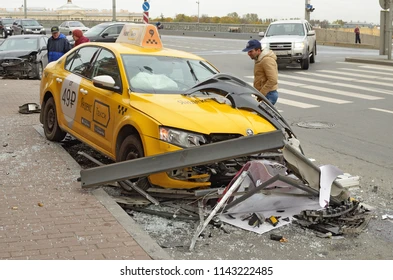
Multiple Vehicle Taxi Accidents: How Fault Is Determined in NYC
New York City streets are among the busiest in the country, making multi-vehicle accidents an unfortunate reality. When a taxi is involved in a crash with more than one vehicle, determining fault becomes significantly more complex. These cases often involve multiple drivers, commercial insurance policies, and overlapping legal responsibilities.
Understanding how fault is determined in multiple vehicle taxi accidents is essential for injured passengers, pedestrians, cyclists, and drivers. Many individuals turn to a taxi accident lawyer to better understand how New York law applies in these complicated situations and what legal options may exist.
What Is a Multiple Vehicle Taxi Accident?
A multiple vehicle taxi accident involves three or more vehicles, with at least one being a taxi. These accidents often occur in high-traffic areas such as intersections, highways, and congested city streets.
Common examples include:
-
Chain-reaction rear-end collisions
-
Intersection crashes involving taxis and multiple cars
-
Taxi accidents caused by sudden stops in traffic
-
Pileups triggered by distracted or aggressive driving
Because several drivers may contribute to the crash, determining fault requires a detailed legal and factual analysis.
Why Fault Determination Is More Complex in NYC Taxi Accidents
Unlike standard two-car accidents, multi-vehicle taxi crashes rarely involve a single clear cause. New York’s dense traffic environment increases the likelihood of shared responsibility.
Key reasons these cases are complex include:
-
Multiple drivers making split-second decisions
-
Commercial vehicle regulations applying to taxis
-
Higher insurance limits and multiple insurers
-
Conflicting witness accounts
In many cases, a taxi accident lawyer may be consulted to analyze how liability is distributed under New York law.
How New York Law Approaches Fault in Multi-Vehicle Accidents
New York follows a comparative negligence system. This means fault can be divided among multiple parties based on their contribution to the accident.
For example:
-
One driver may be primarily responsible
-
Another driver may share partial fault
-
A taxi driver may be minimally or not at fault
Each party’s percentage of fault affects how compensation is allocated. This system allows injured individuals to pursue claims even if more than one party contributed to the crash.
The Role of Taxis as Commercial Vehicles
Taxis are classified as commercial vehicles, which subjects them to stricter regulations and higher insurance requirements. This classification affects how fault and liability are evaluated.
Important considerations include:
-
Whether the taxi driver was following traffic laws
-
Compliance with New York City Taxi & Limousine Commission (TLC) rules
-
Whether the taxi was struck by another negligent driver
In some multi-vehicle accidents, the taxi driver may be entirely free of fault, shifting liability to other drivers involved.
Common Fault Scenarios in Multi-Vehicle Taxi Accidents
1. Chain-Reaction Rear-End Collisions
These accidents often occur when one driver fails to stop in time, causing a domino effect. Fault may rest primarily with the driver who initiated the chain reaction, even if a taxi is struck from behind or pushed into another vehicle.
2. Intersection Crashes
Intersections are a common site for multi-vehicle taxi accidents. Fault may depend on traffic signals, right-of-way rules, and driver behavior.
3. Sudden Stops in Heavy Traffic
Taxis frequently stop to pick up or drop off passengers. While sudden stops are sometimes blamed on taxi drivers, fault may actually lie with following drivers who failed to maintain a safe distance.
Understanding these scenarios often requires legal insight from a nyc taxi accidents lawyer familiar with NYC traffic patterns.
Evidence Used to Determine Fault
Strong evidence is essential in multi-vehicle taxi accident cases. Because NYC streets are heavily monitored, more evidence may be available than in other types of accidents.
Key evidence includes:
-
Police accident reports
-
Traffic and surveillance camera footage
-
Dashcam recordings
-
Vehicle damage analysis
-
Witness statements
This evidence helps establish how the accident unfolded and which parties contributed to the crash.
The Impact of No-Fault Insurance
New York’s no-fault insurance system applies regardless of who caused the accident. Injured individuals typically seek initial benefits through no-fault coverage for medical expenses.
However, multi-vehicle taxi accidents often result in serious injuries. When legal thresholds are met, claims may extend beyond no-fault benefits, allowing injured parties to pursue compensation from at-fault drivers.
This transition from no-fault to liability claims is a key stage where legal clarity is especially valuable.
Passengers Injured in Multi-Vehicle Taxi Accidents
Passengers injured in multi-vehicle taxi accidents often have strong legal standing. Since passengers are not responsible for vehicle operation, claims usually focus on the negligence of one or more drivers.
Passenger claims may involve:
-
The taxi’s commercial insurance
-
Third-party driver insurance
-
Multiple overlapping policies
A taxi accident lawyer nyc can help explain how these insurance layers interact when multiple vehicles are involved.
Pedestrians and Cyclists in Multi-Vehicle Taxi Crashes
Pedestrians and cyclists are particularly vulnerable in multi-vehicle accidents involving taxis. Fault determination in these cases may involve several drivers whose actions created a dangerous situation.
Factors often reviewed include:
-
Failure to yield
-
Speeding in congested areas
-
Unsafe lane changes
-
Distracted driving
These cases often rely heavily on camera footage and witness testimony to establish fault accurately.
Shared Liability and Its Legal Consequences
In many multi-vehicle taxi accidents, fault is shared. New York’s comparative negligence rule allows injured individuals to pursue claims even when responsibility is divided.
For example:
-
One driver may be 60% at fault
-
Another driver may be 30% at fault
-
The taxi driver may be 10% at fault or not at all
Compensation is adjusted based on these percentages, making fault analysis a central issue in every case.
Challenges in Multi-Vehicle Taxi Accident Claims
These cases often face several challenges, including:
-
Disputes between multiple insurance companies
-
Conflicting versions of events
-
Delays in evidence collection
-
Attempts to shift blame
Because of these complexities, injured individuals often seek clarity from a nyc taxi accidents lawyer to understand how claims may realistically proceed.
When Legal Guidance May Be Worth Considering
Not every multi-vehicle taxi accident requires legal action. However, serious injuries, disputed fault, or involvement of multiple insurers often justify professional evaluation.
A taxi accident lawyer nyc may help injured individuals understand:
-
How fault may be divided
-
Which insurance policies may apply
-
What legal options New York law allows
In some situations, insight from a lawyer for personal injury in new york with experience handling complex vehicle accidents may help individuals make informed decisions.
A Practical Resource for Understanding Legal Options After a Multi-Vehicle Taxi Accident
For individuals seeking clarity after a multi-vehicle taxi accident in New York City, professional legal guidance may help explain rights, responsibilities, and available options under current laws. Questions or inquiries may be directed using the information below:
Address: 147 East 82nd Street, Suite 6B, New York, NY 10028
Email: Ira@irapintel.com
Phone: (917) 941-4094
Frequently Asked Questions (FAQs)
1. Can more than one driver be at fault in a NYC taxi accident?
Yes. New York law allows fault to be divided among multiple drivers based on their contribution to the accident.
2. Does the taxi driver always share responsibility in multi-vehicle accidents?
No. A taxi driver may be partially at fault or not at fault at all, depending on the circumstances and evidence.
3. How is fault determined in chain-reaction taxi accidents?
Fault is typically assigned by reviewing evidence such as police reports, vehicle damage, and traffic footage to identify which driver caused the initial impact.
Kategoriler
Read More
The Butyl Rubber Market is experiencing consistent global growth as industries increasingly adopt high-performance synthetic elastomers for applications that require durability, flexibility, and exceptional air-retention properties. Widely recognized for its superior permeability and resistance to chemicals, butyl rubber has become an essential material across automotive manufacturing,...

Global Pharmacy Automation Marketing System Market is expected to reach US$ 5.70 Bn. at a CAGR of 7.8% during the forecast period 2029. Pharmacy Automation Marketing System Market Overview: Maximize Market Research is a Business Consultancy Firm that has published a detailed analysis of the “Pharmacy Automation Marketing System Market”.The report includes key business...

Polaris Market Research recently introduced the latest update on According to the research report, the global Connected logistics market was valued at USD 16.11 billion in 2021 and is expected to reach USD 71.10 billion by 2030, to grow at a CAGR of 18.1% during the forecast period. that provides an extensive outlook of the market, analyzing key growth opportunities, challenges, risk...

The Healthcare Analytics Market is rapidly emerging as a cornerstone of modern healthcare systems, driven by the growing need to improve clinical outcomes, optimize operational efficiency, and reduce rising healthcare costs. As healthcare organizations generate vast volumes of structured and unstructured data, analytics platforms are becoming essential for transforming this data into...

Building a strong brand takes years of effort, marketing, and customer trust. Whether it is a business name, logo, slogan, or product identity, protecting that brand is essential in today’s competitive market. Bangalore has become one of India’s fastest-growing business hubs, with startups, technology companies, manufacturers, and service providers entering the market every year....
