Laser Tattoo Removal for Large Tattoos What to Expect
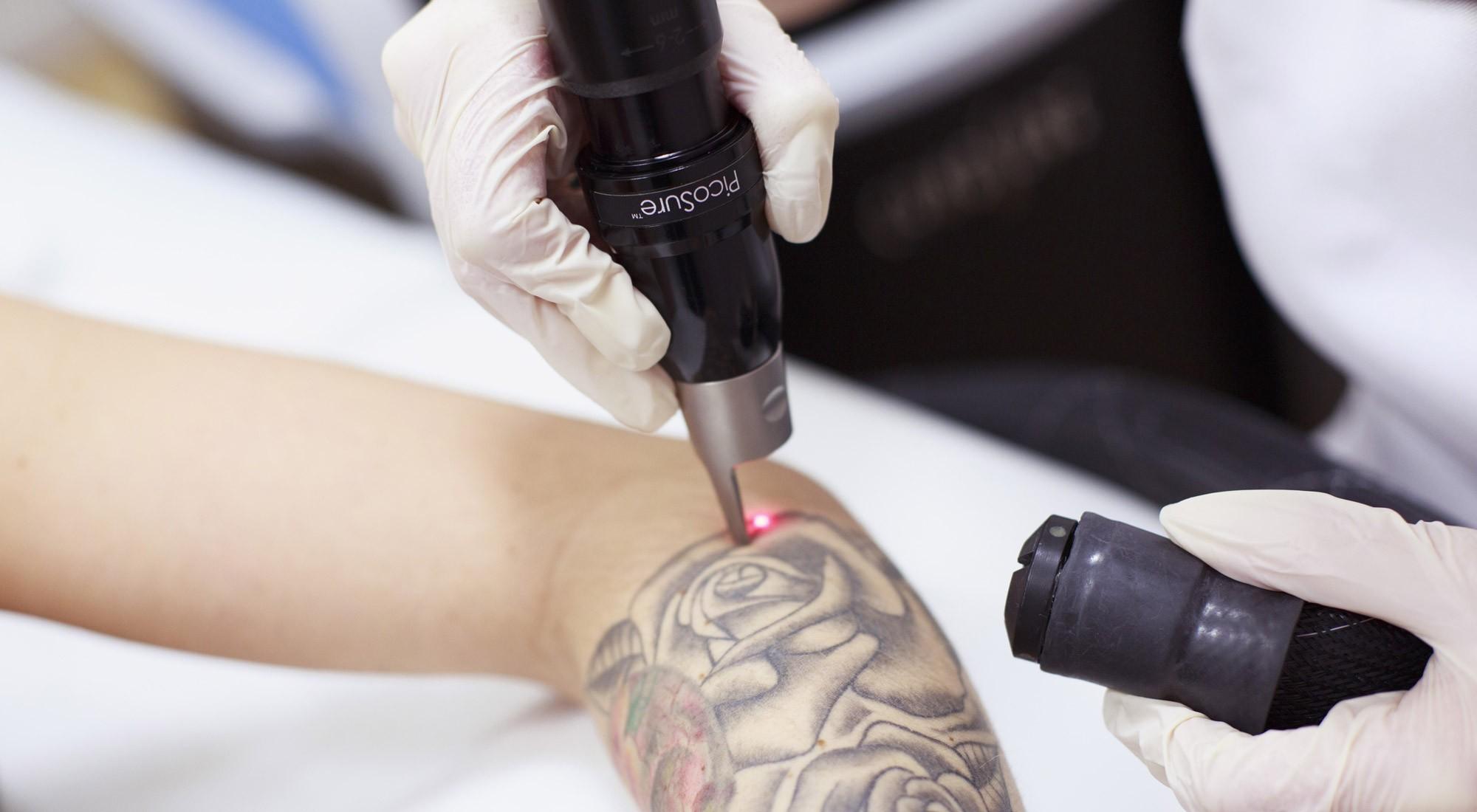
Removing large tattoos with Laser Tattoo Removal requires careful planning, patience, and realistic expectations. Unlike smaller tattoos, large designs often need multiple sessions, longer treatment times, and meticulous aftercare to achieve optimal results. Understanding the process, potential discomfort, and recovery considerations helps patients prepare both physically and mentally for successful tattoo removal.
Initial Consultation and Assessment:
A thorough consultation is the first step for large tattoo removal.
-
The provider evaluates tattoo size, colors, age, and location.
-
Skin type and medical history are reviewed to ensure safe treatment.
-
A personalized treatment plan is created, detailing the number of sessions and estimated timeline.
Treatment Plan and Session Scheduling:
Large tattoos are typically removed over multiple sessions to allow proper healing and reduce side effects.
-
Sessions are spaced 6–8 weeks apart to let the skin recover.
-
Each session may only treat a portion of the tattoo to avoid overloading the skin.
-
The provider tracks progress to adjust laser intensity and session focus.
Pain Management During Sessions:
Pain tolerance and treatment discomfort vary depending on tattoo size and placement.
-
Large tattoos may cause longer exposure to laser pulses, increasing mild to moderate discomfort.
-
Topical numbing creams or cooling devices can be applied for relief.
-
Short breaks during treatment help manage discomfort and prevent skin irritation.
Post-Treatment Recovery:
Recovery after treating a large tattoo requires consistent care to prevent complications.
-
Redness, swelling, blistering, or scabbing is common and may last several days.
-
The treated area should be kept clean, moisturized, and protected from the sun.
-
Avoid picking at scabs or scratching to prevent scarring and pigmentation issues.
Multiple Sessions and Healing Timeline:
Large tattoos require patience, as complete removal takes time.
-
Expect several sessions over several months, depending on ink density and color.
-
Dark black ink may fade faster than colored sections, which may need extra sessions.
-
Healing between sessions is critical for optimal results and minimal skin damage.
Potential Risks and Complications:
Understanding risks helps patients take precautions and follow aftercare instructions.
-
Slight redness, swelling, and blistering are normal but should resolve within days.
-
Hyperpigmentation or hypopigmentation may occur, especially on darker skin tones.
-
Infection is rare but can be prevented with proper hygiene and post-care measures.
Tips for Optimizing Results:
Following professional advice maximizes the effectiveness of laser tattoo removal for large tattoos.
-
Stay hydrated and maintain a balanced diet to support skin healing.
-
Avoid sun exposure, tanning beds, and harsh chemicals during recovery.
-
Follow all aftercare instructions provided by your clinic for each session.
Final Thoughts:
Removing large tattoos with Laser Tattoo Removal is a gradual process that requires preparation, patience, and adherence to aftercare guidelines. By understanding the treatment plan, managing pain, and following proper recovery practices, patients can achieve successful, long-lasting results. While the process may take several months and multiple sessions, careful planning and professional guidance ensure that even large, complex tattoos can be safely and effectively removed.
Categorias
Leia Mais
In today’s fast-moving global economy, finance teams are expected to do much more than bookkeeping. They must ensure tax compliance across countries, maintain real-time reporting, and support strategic decision-making. This is exactly why many organizations are adopting offshore accounting & taxation services as a core part of their financial strategy. But what makes offshore finance...

The Electric Vehicle Inverter Market Anlyasis is a crucial component of the EV ecosystem. As per MRFR analysis, the market is witnessing significant growth due to the rising adoption of electric vehicles globally, technological advancements in inverters, and government policies supporting sustainable mobility. EV inverters convert DC power from batteries into AC power for traction motors,...

California has long been the heartbeat of global innovation. From startups disrupting industries to enterprise giants scaling digital ecosystems, the demand for a reliable software development company in California continues to grow. Whether you're a startup founder, a scaling business, or an enterprise leader, choosing the right development partner in this competitive landscape can shape your...

"Pre-Printed Liners Market Summary: According to the latest report published by Data Bridge Market Research, the Pre-Printed Liners Market The global pre-printed liners market size was valued at USD 3.61 billion in 2025 and is expected to reach USD 4.68 billion by 2033, at a CAGR of 3.30% during the forecast period With the use of integrated approaches and latest technology for the...

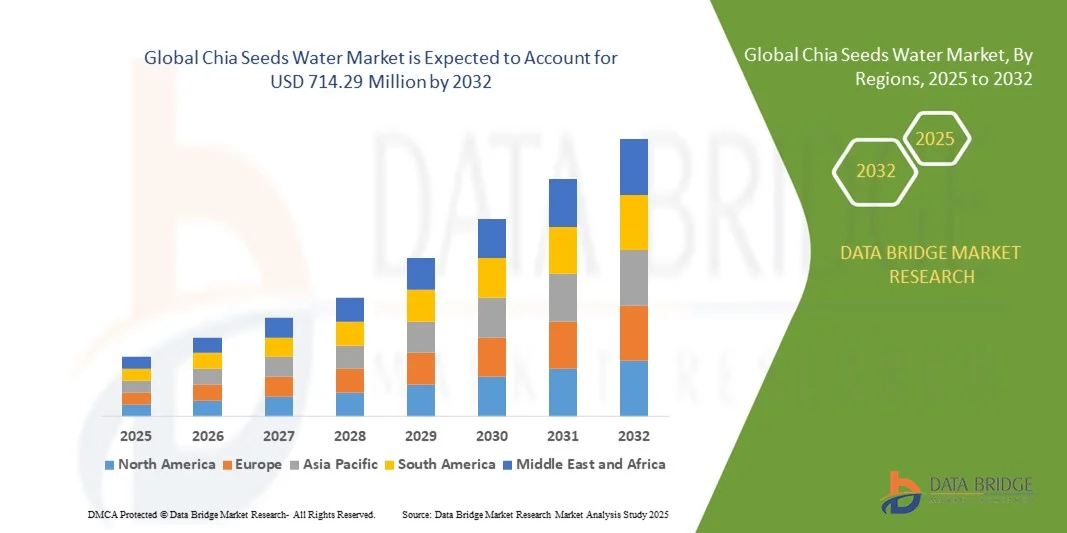
According to the latest report published by Data Bridge Market Research, the Chia Seeds Water Market The global chia seeds water market size was valued at USD 367.28 million in 2024 and is expected to reach USD 714.29 million by 2032, at a CAGR of 8.67% during the forecast period Chia Seeds Water Market report endows with the data and statistics on...