AquaFit: Ultimate Guide to Water Fitness & Wellness
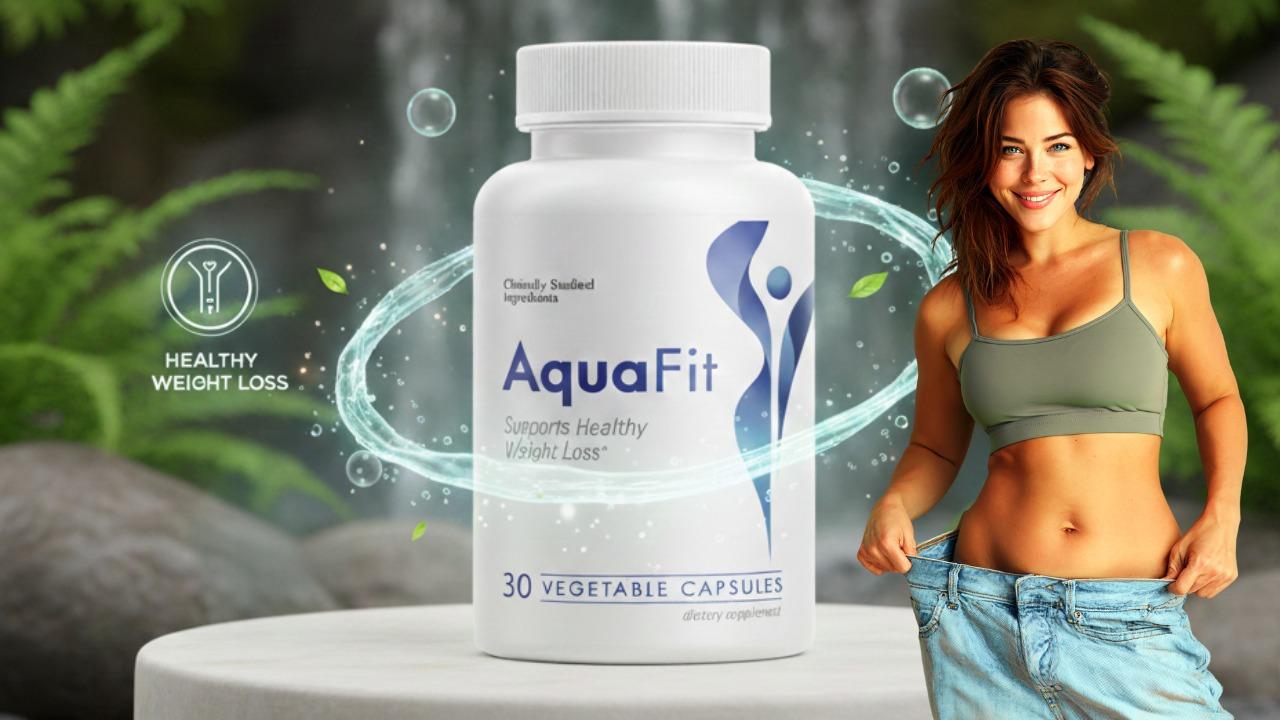
In recent years, AquaFit has emerged as one of the most effective and engaging ways to exercise. Combining the resistance of water with dynamic movement, AquaFit offers a full-body workout that is gentle on joints, burns calories efficiently, and enhances cardiovascular health. Whether you’re a beginner in fitness, an athlete in training, or someone looking for a low-impact routine, AquaFit has something invaluable to offer. This comprehensive blog will walk you through everything you need to know about AquaFit — its benefits, science, top workouts, nutrition tips, who it’s for, common myths, safety guidelines, and how to get started successfully.
Table of Contents
-
What is AquaFit?
-
The Science Behind Water Resistance Workouts
-
Key Benefits of AquaFit
-
Joint-Friendly and Low Impact
-
Enhanced Calorie Burn
-
Better Cardio and Endurance
-
Muscle Strength and Tone
-
Improved Flexibility and Balance
-
-
Who Should Try AquaFit?
-
AquaFit vs Traditional Gym Workouts
-
AquaFit Equipment Guide
-
Top 10 AquaFit Exercises for Beginners
-
Advanced AquaFit Routines for Experienced Fitness Enthusiasts
-
AquaFit for Weight Loss: How It Works
-
AquaFit and Rehabilitation: Healing Through Water
-
Nutrition Tips to Support Your AquaFit Routine
-
Common Mistakes to Avoid
-
Safety Tips for Your AquaFit Workouts
-
How to Create a Weekly AquaFit Plan
-
Frequently Asked Questions (FAQs)
-
Final Thoughts
1. What is AquaFit?
AquaFit — often known as water aerobics — is a form of physical exercise performed in shallow or deep water using the resistance of water to increase the intensity of a workout. The term combines “aqua,” meaning water, with “fit,” indicating fitness. Designed to maximize strength, flexibility, cardio, and endurance, AquaFit uses a range of movements, from jogging and jumping jacks to resistance exercises and kick patterns. The water environment supports the body and reduces stress on joints and tissues, making it suitable for many fitness levels.
2. The Science Behind Water Resistance Workouts
Water provides uniform resistance in all directions — forward, backward, upward, and downward. This means every movement during AquaFit engages multiple muscle groups simultaneously. Water resistance is about 12 times greater than air resistance, so muscles work harder during motion. Additionally, water’s buoyancy supports body weight, reducing the impact on joints and lowering the risk of injury.
Two main physical properties make AquaFit effective:
-
Buoyancy: Reduces the weight on joints, which is perfect for people with arthritis or recovering from injuries.
-
Hydrostatic Pressure: The pressure exerted by water helps improve blood circulation and reduce swelling in extremities.
These properties make AquaFit an excellent combination of strength, cardio, and flexibility training.
3. Key Benefits of AquaFit
Joint-Friendly and Low Impact
AquaFit is ideal for those seeking a low-impact exercise. Because water supports up to 90% of body weight, joints and connective tissues experience significantly less stress than land-based workouts.
This is especially beneficial for:
-
People with arthritis
-
Older adults with joint concerns
-
Those recovering from surgery or injury
Enhanced Calorie Burn
Water resistance increases the energy needed to move, which boosts calorie burn. An hour of AquaFit can burn between 400–600 calories, depending on intensity and individual factors like weight and fitness level.
Better Cardio and Endurance
AquaFit elevates your heart rate without excessive strain, making it perfect for improving cardiovascular health. Improved circulation and heart function come from sustained movement against water resistance.
Muscle Strength and Tone
Water works as a natural resistance tool. Every action — like kicking, pushing, or jogging — engages both primary and stabilizing muscles. Over time, this leads to full-body muscle toning.
Improved Flexibility and Balance
Water workouts enhance coordination and flexibility since movements are smoother and more controlled. Water’s support reduces fear of falling, which makes it safer to explore full ranges of motion.
4. Who Should Try AquaFit?
AquaFit is inclusive and adaptable. It suits people of all ages and fitness levels:
-
Beginners who prefer a gentle start
-
Fitness enthusiasts wanting cross-training
-
Pregnant women seeking safe exercise
-
Seniors needing joint-friendly movement
-
Athletes focusing on recovery and flexibility
Because water lessens the impact on joints, people with conditions such as osteoporosis or fibromyalgia can safely participate with guidance.
5. AquaFit vs Traditional Gym Workouts
| Feature | AquaFit | Traditional Gym |
|---|---|---|
| Impact on joints | Very low | Varies (often higher) |
| Calorie burn | High | Moderate to high |
| Muscle recruitment | Full-body | Can be isolated |
| Injury risk | Low | Higher depending on exercise |
| Fun & engaging | Very | Depends on person |
While gym workouts have their place — offering weight machines and resistance options — AquaFit uniquely combines cardio, strength, and flexibility in one fluid environment.
6. AquaFit Equipment Guide
Although AquaFit can be done without equipment, certain gear enhances the experience:
-
Water dumbbells: For added upper-body resistance
-
Kickboards: To support leg work
-
Noodles: For buoyancy and core work
-
Aqua gloves: Increase water resistance with hand paddles
-
Water shoes: Improve grip and protect feet
-
Pool belt: For deep-water workouts
With these tools, every AquaFit class becomes more effective and varied.
7. Top 10 AquaFit Exercises for Beginners
1. Water Walking or Jogging
Start with basic walking or light jogging in waist-deep water. Keep posture tall and use arm swings.
2. Leg Lifts
Stand near pool edge or use noodle support. Raise each leg to the side, then back.
3. Water March
Lift knees high while maintaining balance. Great for cardio and coordination.
4. Arm Circles
Extend arms and make circular motions to increase upper-body strength.
5. Flutter Kicks
Hold pool edge or use a kickboard. Kick legs rapidly for core and leg strength.
6. Jumping Jacks
Keep movements controlled. Water reduces the impact on knees and ankles.
7. Cross-Country Ski
Alternate legs forward and back while swinging arms as if skiing — excellent for full-body cardio.
8. Water Tucks
Bring knees toward chest while floating or supported. Targets core muscles.
9. Hip Circles
With hands on hips, move hips in circles to work lower body and core.
10. Wall Push-Offs
Push off the pool wall, glide, then return. Great for leg power and balance.
8. Advanced AquaFit Routines for Experienced Fitness Enthusiasts
For those already active, advanced AquaFit can challenge muscles dynamically:
-
Deep Water Running: Using a pool belt
-
Aqua Burpees: Modified jump and squat in water
-
Resistance Sprinting: Fast movements against water with gloves
-
Kickboard Sprints: Max effort leg kicks
-
Interval Water Training (HIIT): Short bursts of intense activity followed by rest
These add intensity and help break plateaus.
9. AquaFit for Weight Loss: How It Works
Water workouts help weight loss through:
-
High Energy Demand: Water resistance boosts calorie consumption.
-
Full-Body Movement: More muscle groups working = more calories burned.
-
Sustainable Intensity: Water allows longer workouts with less fatigue.
Consistency matters. Pairing AquaFit with balanced nutrition accelerates fat loss.
10. AquaFit and Rehabilitation: Healing Through Water
Physical therapists often recommend water-based exercises because they:
-
Reduce strain on healing tissues
-
Improve mobility safely
-
Enhance range of motion without pain
Many rehabilitation programs integrate AquaFit as a core component of recovery.
11. Nutrition Tips to Support Your AquaFit Routine
Water fitness demands energy. These tips help:
-
Hydrate Well: Drink water before and after sessions.
-
Pre-Workout Snack: Fruit or whole-grain toast for energy.
-
Post-Workout Protein: Helps muscle recovery.
-
Balanced Meals: Include lean proteins, healthy fats, and complex carbs.
Nutrition amplifies the benefits of AquaFit workouts.
12. Common Mistakes to Avoid
Skipping Warm-Up
Get your muscles ready with light movement before entering the water.
Incorrect Posture
Keep a tall posture in water to avoid strain.
Overexerting Too Soon
Build intensity gradually.
Ignoring Recovery
Rest and stretching are crucial.
Staying Hydrated
Water workouts still cause sweat and fluid loss.
13. Safety Tips for Your AquaFit Workouts
-
Always warm up before and cool down after sessions.
-
Listen to your body and adjust intensity.
-
Use flotation aids if unsure about deep-water exercise.
-
Avoid AquaFit immediately after heavy meals.
-
If pregnant or injured, consult a healthcare provider.
14. How to Create a Weekly AquaFit Plan
Here’s an example plan for balanced progress:
Monday: 45-minute beginner AquaFit session
Tuesday: Light stretching and hydration focus
Wednesday: 60-minute intermediate AquaFit workout
Thursday: Active rest (walk or light swim)
Friday: HIIT AquaFit routine
Saturday: Flexibility-focused water session
Sunday: Rest and recovery
This structure maintains balance and prevents burnout.
15. Frequently Asked Questions (FAQs)
Is AquaFit suitable for weight loss?
Yes! With consistent effort and proper nutrition, AquaFit helps with weight loss.
Can beginners join AquaFit classes?
Absolutely — classes typically offer modifications.
How often should I do AquaFit?
3–5 sessions per week is ideal for best results.
Is AquaFit safe during pregnancy?
In most cases, yes — but always consult a doctor.
16. Final Thoughts
AquaFit is a transformative fitness approach that supports strength, endurance, flexibility, and overall wellness while being gentle on the body. Its combination of water resistance and low-impact movement makes it suitable for all ages and fitness levels. Whether you want to lose weight, rehabilitate from injury, or simply enjoy a refreshing workout, AquaFit delivers measurable results with minimal risk.
Κατηγορίες
Διαβάζω περισσότερα
When a family member needs to find a way to get support to quit their addiction and make a healthier choice for their life, it is crucial that they choose the right Nasha Mukti Kendra. Treatment and recovery is a personal journey and finding the treating centre, which can offer the right environment, guidance, and care can make a significant difference in the treatment process. Before deciding,...

" According to the latest report published by Data Bridge Market Research, the Potash Thiosulphate Fertilizers Market The global potash thiosulphate fertilizers market size was valued at USD 246.96 million in 2025 and is expected to reach USD 414.89 million by 2033, at a CAGR of 6.7% during the forecast period. All the data and information included in the global Potash...

The Knicks 3822 host the San Antonio Spurs 4316 for lunch at Madison Sq. Backyard upon Sunday. This will be a sizeable verify for Fresh new York from the Western Conference instant seed. The Knicks include received 6 of their past 10 online games, whilst the Spurs contain gained 11 groups satisfied utmost a short while ago upon December 31, 2025, each time the Spurs edged the Knicks 134132...

Gurgaon, now known as Gurugram, is one of India’s fastest-growing corporate hubs. With frequent job relocations, shifting homes, and intercity travel, the demand for reliable bike transport services in gurgaon has increased significantly. Whether you are moving to another city or sending your two-wheeler to a different location, choosing a trusted service provider is crucial. This is...
Maintaining good oral health is not only about brushing, flossing, or visiting your dentist regularly — it’s also about what lies beneath the surface. Many dental problems develop silently, hidden deep within the teeth, gums, or jawbone. These underlying issues often go unnoticed during routine checkups until they progress into painful or costly conditions. That’s where Dental...