


India Electric Vehicle Market 2031F: Technology & Policy Impact
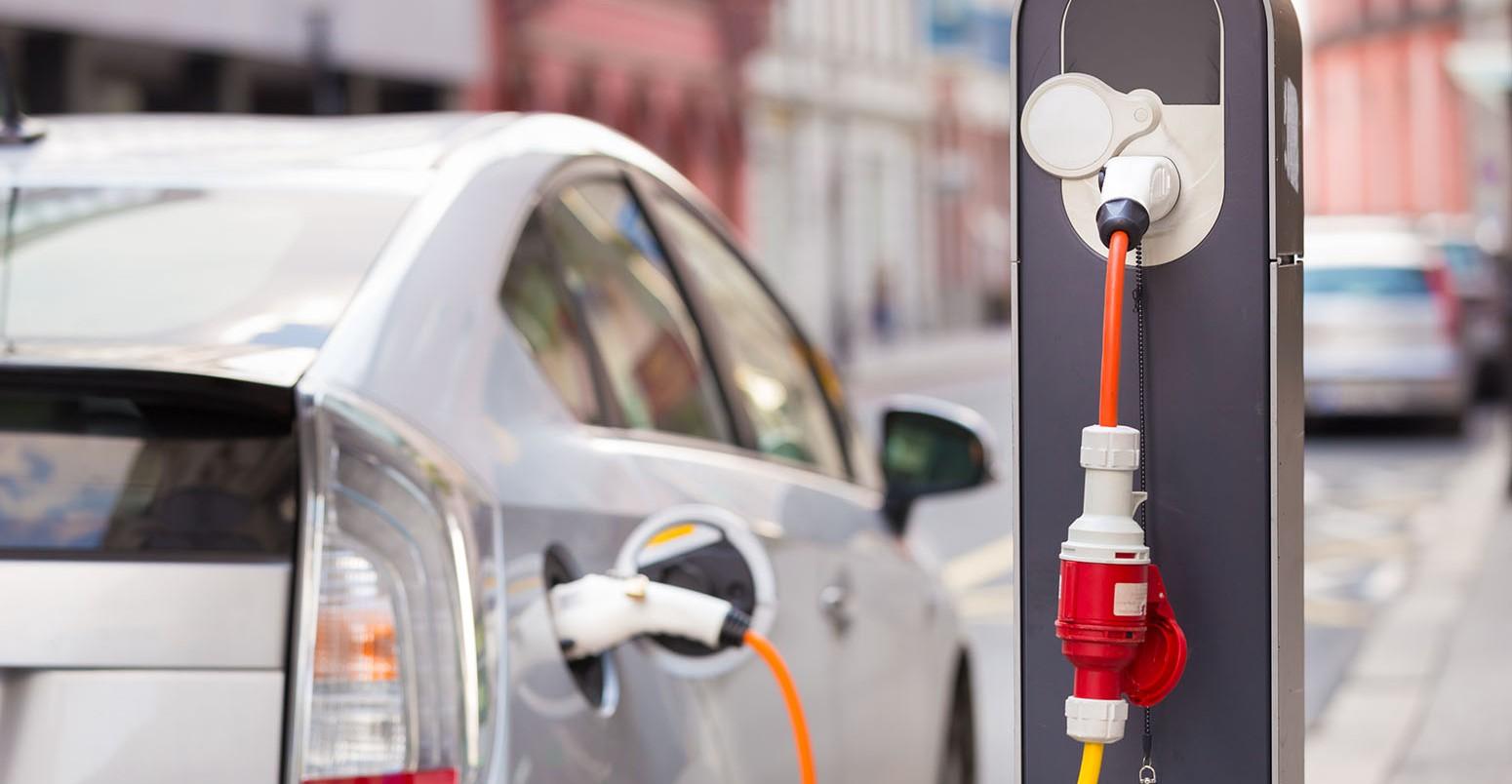
India’s electric vehicle (EV) market is entering a decisive growth phase, driven by structural reforms, technological innovation, and strong policy support. As the country intensifies its transition toward sustainable mobility, electric vehicles are increasingly viewed as a strategic solution to address rising fuel imports, urban air pollution, and climate commitments. The convergence of manufacturing capability, digital technologies, and energy infrastructure is transforming the EV ecosystem from a niche segment into a mainstream automotive market.
According to a TechSci Research report titled “India Electric Vehicle Market – By Region, Competition, Opportunities & Forecast, 2021–2031F”, the India Electric Vehicle Market was valued at USD 6.16 billion in 2025 and is projected to reach USD 10.95 billion by 2031, registering a compound annual growth rate (CAGR) of 10.06% during the forecast period. This growth reflects increasing consumer acceptance, declining battery costs, expanding charging networks, and deeper integration between the automotive and energy sectors.
India’s EV market evolution is characterized by rapid vertical integration, regional manufacturing clusters, and the emergence of new business models such as battery swapping, subscription services, and fleet electrification. Automakers, component suppliers, energy companies, and technology firms are collaborating to localize EV platforms, battery systems, and software-driven mobility solutions. Together, these developments are reshaping India’s transportation landscape and creating a resilient, scalable EV ecosystem.
This report-style article provides a comprehensive analysis of the India Electric Vehicle Market, covering market dynamics, key drivers, emerging trends, segmentation insights, regional performance, competitive landscape, industry highlights, and future outlook.
Market Overview: Structural Transformation of India’s EV Ecosystem
India’s electric vehicle market is undergoing a fundamental transformation from an import-dependent, policy-driven sector to a domestically integrated, technology-led industry. Early adoption was concentrated in electric two-wheelers and three-wheelers, primarily for short-distance urban travel. However, recent years have seen rapid expansion into passenger cars, commercial fleets, buses, and last-mile delivery vehicles.
A defining feature of this transformation is vertical integration. Automakers and mobility companies are increasingly developing in-house capabilities for EV platforms, battery pack assembly, power electronics, and embedded software. This strategy allows firms to control costs, improve performance, and customize products for Indian driving conditions. The localization of battery chemistries, motor manufacturing, and vehicle electronics has reduced dependence on imports while enhancing supply chain resilience.
Public-private partnerships are also playing a pivotal role. Collaboration between state governments, municipal authorities, OEMs, and energy providers has accelerated the deployment of charging infrastructure and electric public transport systems. EVs are increasingly being adopted for commercial logistics, shared mobility, municipal services, and government fleets, creating stable demand and economies of scale.
Download Free Sample Report: https://www.techsciresearch.com/sample-report.aspx?cid=1360
Key Market Drivers Accelerating EV Adoption in India
Government Policy Support and Incentives
Strong policy backing is one of the most influential drivers of India’s EV market. Central and state governments have introduced incentives such as tax exemptions, subsidies, reduced registration fees, and low-interest financing to improve EV affordability. Policy frameworks encouraging domestic manufacturing and clean mobility have provided long-term visibility and confidence to investors and manufacturers.
Declining Battery Costs and Localization
Battery cost reduction has been instrumental in narrowing the price gap between electric and conventional vehicles. Domestic battery pack assembly and emerging indigenous battery chemistries are improving cost efficiency while enhancing supply security. As battery prices continue to decline, EVs are becoming increasingly attractive to private consumers and fleet operators alike.
Rising Fuel Prices and Total Cost of Ownership Benefits
Volatility in fuel prices has heightened consumer interest in EVs, particularly in urban areas. Lower operating and maintenance costs make electric vehicles economically viable over their lifecycle. Fleet operators, logistics companies, and cab aggregators are increasingly adopting EVs to reduce fuel expenses and improve profitability.
Expansion of Charging Infrastructure
The expansion of residential, workplace, public, and highway charging infrastructure is addressing one of the most critical barriers to EV adoption—range anxiety. The deployment of fast chargers, solar-powered stations, and charging corridors along expressways is improving convenience and confidence among EV users.
Corporate Sustainability and Fleet Electrification
Corporates are aligning their transportation strategies with sustainability goals by electrifying delivery fleets and employee mobility solutions. This trend is particularly strong in e-commerce, food delivery, ride-hailing, and urban logistics segments, where predictable routes and centralized charging enable efficient EV operations.
Emerging Trends Shaping the India Electric Vehicle Market
Vertical Integration and Platform Localization
Manufacturers are increasingly adopting vertically integrated business models to control key EV technologies. From battery packs and motors to vehicle software and telematics, companies are investing in in-house development to optimize performance and reduce costs. This trend is strengthening domestic capabilities and accelerating innovation cycles.
Rise of Regional EV Manufacturing Clusters
Regional manufacturing hubs are emerging as critical growth enablers for the EV market. States such as Tamil Nadu, Maharashtra, and Gujarat have become prominent EV manufacturing clusters due to favorable policies, skilled labor availability, and strong industrial infrastructure. These clusters host OEMs, component suppliers, battery manufacturers, and R&D centers, creating integrated ecosystems that support large-scale production.
Convergence of EV and Energy Sectors
The EV market is increasingly intersecting with the power and energy sectors. Utilities and grid operators are collaborating with transport authorities to support smart charging, energy storage, and vehicle-to-grid (V2G) applications. This convergence enhances grid stability while unlocking new revenue streams for EV owners and fleet operators.
Digitalization and Smart Mobility Solutions
Digital platforms are becoming integral to EV adoption. Fleet management systems, AI-driven predictive maintenance, connected vehicle technologies, and data analytics are improving operational efficiency and vehicle uptime. These solutions are particularly valuable for commercial and shared mobility applications.
Battery Swapping as a Scalable Alternative
Battery swapping is emerging as a viable solution to address charging time and infrastructure constraints. By decoupling battery ownership from vehicles, swapping models reduce upfront costs and minimize downtime, especially for commercial users such as delivery fleets and e-rickshaws. Subscription-based services provide predictable operating expenses while supporting centralized battery maintenance and recycling.
Market Segmentation Analysis
By Vehicle Type
Passenger Cars
Electric passenger cars emerged as the fastest-growing segment in 2025. Increased model availability across price ranges, improved battery performance, and enhanced in-vehicle technologies have attracted middle-income households and fleet operators. Government incentives and improved charging access have further boosted adoption, positioning electric cars as a leading growth driver in the EV market.
Commercial Vehicles
Electric commercial vehicles are gaining traction in logistics, public transport, and municipal services. Electric buses, vans, and delivery vehicles offer lower operating costs and zero tailpipe emissions, making them ideal for urban operations. Fleet electrification is expected to remain a key growth area over the forecast period.
Two-Wheelers and Three-Wheelers
Electric two-wheelers and three-wheelers continue to play a foundational role in India’s EV ecosystem. Their affordability, suitability for short-distance travel, and lower charging requirements make them highly attractive in urban and semi-urban markets.
By Range
Vehicles offering higher driving ranges are witnessing growing demand as battery technology improves. While short-range EVs dominate urban use, mid- and long-range models are gaining popularity among private consumers and intercity fleet operators.
By Propulsion
Battery electric vehicles (BEVs) dominate the Indian EV market, supported by simpler architecture and expanding charging infrastructure. Hybrid and plug-in hybrid vehicles also contribute to market diversity, offering transitional solutions for consumers.
By Region
The EV market demonstrates significant regional variation driven by infrastructure availability, policy support, and consumer awareness.
Regional Analysis: Western India Leading EV Adoption
Western India emerged as the fastest-growing EV market in 2025, led by states such as Maharashtra and Gujarat. Proactive state policies, dense charging networks, and strong industrial ecosystems have positioned the region as a leader in EV adoption. Initiatives such as solar-powered charging stations and expressway charging corridors have made daily and intercity EV travel more practical.
High consumer awareness, coupled with strong participation from manufacturers and fleet operators, has accelerated mainstream EV adoption in the region. Western India’s leadership is expected to continue as infrastructure and manufacturing investments scale further.
Industry Key Highlights
-
The India Electric Vehicle Market is projected to grow at a CAGR of 10.06% through 2031F.
-
Passenger electric cars emerged as the fastest-growing vehicle segment in 2025.
-
Western India leads EV adoption due to advanced infrastructure and policy support.
-
Battery localization and declining costs are improving EV affordability.
-
Battery swapping and digital fleet management are reshaping commercial EV usage.
Competitive Analysis
The India Electric Vehicle Market is highly competitive, with established automotive players, specialized EV manufacturers, and new mobility startups competing across segments. Market participants differentiate themselves through technology innovation, pricing strategies, product range, and after-sales support.
Leading players are investing heavily in R&D, expanding manufacturing capacity, and forming strategic alliances with battery suppliers, energy companies, and software firms. The competitive landscape is also influenced by government procurement programs, fleet contracts, and export opportunities.
Major Market Players Operating in India Electric Vehicle Market
-
Tata Motors Limited
-
MG Motor India Private Limited
-
Mahindra & Mahindra Limited
-
PMI Electro Mobility Solutions Private Limited
-
JBM Auto Ltd
-
Hero Electric Vehicles Pvt. Ltd
-
Okinawa Autotech Pvt. Ltd
-
Greaves Electric Mobility Private Limited
-
YC Electric Vehicle
-
Saera Electric Auto Pvt. Ltd
These companies play a crucial role in driving innovation, expanding product portfolios, and accelerating EV adoption across India.
10 Benefits of the Research Report
-
Provides detailed market size and growth forecasts through 2031F.
-
Offers in-depth segmentation analysis by vehicle type, range, propulsion, and region.
-
Identifies key market drivers, challenges, and emerging trends.
-
Delivers comprehensive competitive landscape and company profiling.
-
Supports strategic planning for investors and manufacturers.
-
Highlights regional opportunities and infrastructure developments.
-
Analyzes evolving business models such as battery swapping.
-
Assists policymakers and stakeholders in decision-making.
-
Tracks technology localization and manufacturing trends.
-
Helps businesses anticipate future market shifts and risks.
Future Outlook
The future of India’s electric vehicle market is strongly positive, supported by policy momentum, technological progress, and increasing consumer confidence. Continued investments in battery manufacturing, charging infrastructure, and digital mobility platforms will further strengthen the EV ecosystem.
As vehicle costs decline and infrastructure expands, EV adoption is expected to accelerate across private, commercial, and public transport segments. The integration of EVs with renewable energy and smart grids will unlock new value propositions and enhance sustainability outcomes.
In the long term, India is poised to emerge as a global hub for electric vehicle manufacturing and innovation. Companies that focus on localization, affordability, and technology differentiation will be best positioned to capitalize on the market’s growth potential through 2031F and beyond.
Contact Us-
Mr. Ken Mathews
708 Third Avenue,
Manhattan, NY,
New York – 10017
Tel: +1-646-360-1656
Email: sales@techsciresearch.com
Website: www.techsciresearch.com
Catégories
Lire la suite
While primarily driven by regulatory compliance, Vehicle weighing systems are increasingly recognized as a strategic tool for operational optimization. According to Market Research Future, the sector is evolving beyond its traditional role in law enforcement to become a critical component in improving supply chain efficiency, reducing costs, and enhancing overall business performance. The...

In Diablo 4, the Paladin stands out as a divine juggernaut — a Diablo IV Items holy warrior capable of smiting hordes of demons with righteous fury. Among its many build options, Judgement Paladin has emerged as one of the most potent and satisfying end-game builds, blending explosive damage, slick chain reactions, and high survivability. What Is Judgement and Why It Matters At the heart...

Official Facebook@:- https://www.facebook.com/TrySynGasOBDFuelSaverDE/ https://www.facebook.com/groups/syngasobdfuelsavergermany.de Official Blogs@:- https://syngasobdfuelsavergermanyoffer.blogspot.com/2026/04/syngas-obd-fuel-saver-germany-does-this.html https://sites.google.com/view/getsyngasobdfuelsavergermany/ https://sites.google.com/view/syngasobdfuelsavererfahrungen/...
Bob Hoffmeister is actually a present day spiritual coach plus mystic most widely known to get her theories based upon Training around Like a charm (ACIM). Over the past some a long time, he has made a global right after by courses , r david hoffmeister reviews etreats, internet subject material, plus spiritual neighborhoods. Like lots of consumer information while in the spiritual space...

ในโลกของการเดิมพันออนไลน์ที่มีการแข่งขันกันอย่างดุเดือดและรวดเร็ว การเลือกเว็บไซต์ที่ไว้วางใจได้ถือเป็นหัวใจสำคัญที่จะกำหนดประสบการณ์การเล่นเกมของคุณ หลายคนอาจจะเคยประสบปัญหาเว็บไซต์ที่ใช้งานยาก ระบบล่าช้า หรือโบนัสที่ดูเหมือนจะดึงดูดใจแต่กลับมีเงื่อนไขที่ซับซ้อนเกินไป แต่วันนี้เราจะพาคุณไปทำความรู้จักกับแพลตฟอร์มที่กำลังถูกพูดถึงอย่างมากในแวดวงนักเดิมพัน นั่นก็คือ Star911...