LTL vs FTL
Shipping goods efficiently is a cornerstone of successful logistics. Whether you are a small business or a large enterprise, understanding the difference between LTL vs FTL shipping can save you time, money, and headaches. This guide breaks down the two shipping methods, their benefits, challenges, and how to choose the right option for your business.
What is LTL Shipping?
LTL, or Less Than Truckload, is a freight shipping method where multiple shippers share space on the same truck. This means your shipment only occupies a portion of the truck, and the carrier combines your goods with other shipments going in the same direction. LTL is ideal for businesses that do not have enough products to fill an entire truck.
Advantages of LTL Shipping
-
Cost-Effective for Small Shipments: Since you only pay for the portion of the truck your goods occupy, LTL is generally cheaper for smaller shipments.
-
Environmentally Friendly: Sharing truck space reduces the number of trucks on the road, lowering carbon emissions.
-
Flexible Shipping Options: Many carriers offer frequent pickups and deliveries, making it easier to manage inventory.
Challenges of LTL Shipping
-
Longer Transit Times: Because trucks make multiple stops, delivery can take longer than FTL shipping.
-
Higher Risk of Damage: Handling multiple shipments increases the chances of your goods being moved around, potentially causing damage.
-
Complex Tracking: Multiple shipments on the same truck can make it harder to track your products in real time.
What is FTL Shipping?
FTL, or Full Truckload, involves shipping goods that fill an entire truck, or at least enough to justify exclusive use. The truck goes directly from the origin to the destination without stopping to pick up other shipments. FTL is often used for large shipments or time-sensitive deliveries.
Advantages of FTL Shipping
-
Faster Delivery: Since the truck goes directly to the destination, transit times are shorter.
-
Lower Risk of Damage: Fewer stops and handling mean your goods are less likely to be damaged.
-
Simpler Logistics: Tracking and managing shipments is easier because you control the entire truckload.
Challenges of FTL Shipping
-
Higher Costs for Small Shipments: If you don’t have enough goods to fill a truck, you may pay for unused space.
-
Limited Flexibility: FTL is less suitable for smaller, irregular shipments.
-
Storage Requirements: Businesses need sufficient inventory to make FTL shipping cost-effective.
Key Differences Between LTL and FTL
| Feature | LTL | FTL |
|---|---|---|
| Shipment Size | Small to medium | Large or full truck |
| Cost | Pay for portion of truck | Pay for entire truck |
| Transit Time | Longer due to multiple stops | Faster, direct route |
| Handling | More handling, higher damage risk | Minimal handling, lower risk |
| Flexibility | Frequent pickups available | Best for scheduled large shipments |
How to Choose Between LTL and FTL
When deciding between LTL and FTL, consider the following factors:
-
Shipment Size: If your shipment doesn’t fill a truck, LTL is usually more economical. For large shipments, FTL is ideal.
-
Delivery Speed: FTL is faster and better for urgent deliveries, while LTL is suitable for standard transit times.
-
Budget: LTL can reduce costs for smaller shipments, but FTL may save money for large shipments when factoring in speed and risk.
-
Handling Needs: Fragile or high-value items may benefit from FTL to reduce handling and potential damage.
Conclusion
Choosing the right shipping method is critical for operational efficiency and cost management. LTL shipping is perfect for smaller, less urgent shipments, offering cost savings and flexibility, whereas FTL shipping provides speed, security, and simplicity for larger or time-sensitive loads. Understanding your shipment’s size, urgency, and budget will help you make an informed decision and ensure your goods reach their destination safely and efficiently.
Catégories
Lire la suite
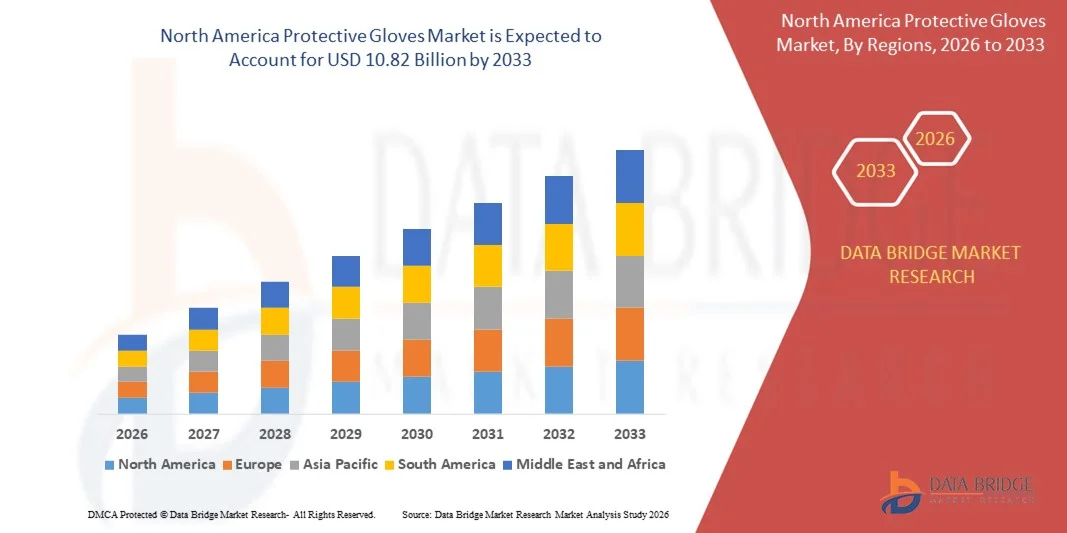
"North America Protective Gloves Market Summary: According to the latest report published by Data Bridge Market Research, the North America Protective Gloves Market CAGR Value The North America protective gloves market size was valued at USD 6.16 billion in 2025 and is expected to reach USD 10.82 billion by 2033, at a CAGR of 7.30% during the forecast...
I migliori casino non AAMS sono piattaforme di gioco online che operano con licenze internazionali e non rientrano nella regolamentazione italiana ADM. Negli ultimi anni, i migliori casino non AAMS hanno attirato sempre più giocatori grazie alla loro offerta ampia, ai bonus competitivi e alla maggiore libertà operativa rispetto ai casinò nazionali. I migliori casino...

Vaping has become a popular alternative to traditional smoking, offering users a customizable and convenient way to enjoy nicotine or flavored e-liquids. However, many vapers struggle with maintaining their devices, often leading to reduced performance or even premature device failure. Whether you own a geek bar, a ghost smart vape, or high-performance models like the crystal pro max or hayati...

India's Golden Triangle—Delhi, Agra, and Jaipur—draws millions for its iconic wonders, but true adventurers uncover hidden gems that transform a standard trip into an unforgettable saga. As a seasoned travel curator with Pioneer Holidays, I've guided countless explorers through these paths, revealing offbeat spots that breathe life into the classic itinerary. This blog dives...

In times of loss, finding the right way to express sympathy can be difficult. Words often fall short when emotions are deep, and this is where flowers play an important role. They serve as a gentle, respectful, and universal expression of condolence. In a culturally rich and closely connected place like Quezon City, funeral traditions place great importance on floral tributes as part of...