


Rhinoplasty in Riyadh: Pre-Op Tips and Post-Op Care
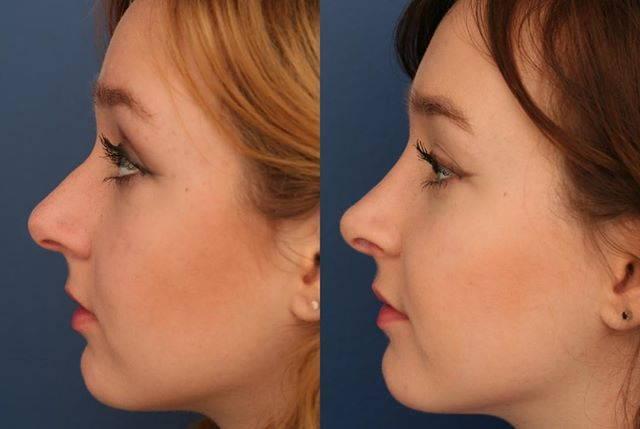
The decision to undergo facial surgery is a journey of both physical and emotional transformation. In the Kingdom’s capital, where aesthetic standards meet world-class medical innovation, Rhinoplasty in Riyadh has become a premier choice for those looking to harmonize their features. However, the secret to a "perfect" nose isn't just what happens in the operating room—it’s the preparation you do beforehand and the care you take during recovery. Whether you are correcting a structural breathing issue or refining your profile, following a strict clinical protocol is the most effective way to ensure a safe procedure and a stunning, long-lasting result.
Part 1: Pre-Operative Preparation
Your recovery actually begins weeks before your surgery date. By preparing your body and your home, you minimize risks and set the stage for a smoother healing process.
1. The Medical Clearance
Two to three weeks before your procedure, your surgeon in Riyadh will request a series of blood tests (such as CBC, PT, and PTT) to ensure your blood clots correctly and you aren't anemic. If you have any chronic conditions like hypertension or diabetes, ensure they are well-managed and cleared by your specialist.
2. Medication and Supplement Review
Certain substances can thin the blood, increasing the risk of hematomas (blood pooling) during or after surgery.
-
Avoid for 2 weeks: Aspirin, Ibuprofen (Advil/Motrin), Naproxen, and high doses of Vitamin E or Fish Oil.
-
Herbal Supplements: Stop taking Ginseng, Garlic supplements, or Green Tea extracts, as these can also interfere with blood clotting.
3. The Nicotine & Alcohol Ban
Nicotine is a vasoconstrictor—it narrows blood vessels and significantly reduces oxygen flow to healing tissues. To avoid skin complications or delayed healing, you must be 100% nicotine-free (including vapes and patches) for at least 4 weeks before and after surgery. Similarly, avoid alcohol for at least one week prior, as it can dehydrate the body and increase bruising.
4. Preparing Your "Recovery Nest"
Before heading to the clinic, set up your home for success:
-
Elevated Pillows: Buy a wedge pillow or several firm pillows to keep your head elevated at 45 degrees.
-
Soft Foods: Stock up on oatmeal, yogurt, and soups. Avoiding hard-to-chew foods in the first week prevents unnecessary facial muscle strain.
-
Hydration: Have plenty of water and electrolyte drinks ready.
Part 2: The Day of Surgery
On the morning of your Rhinoplasty in Riyadh, follow these final safety steps:
-
Fasting: Do not eat or drink anything (including water) after midnight before your surgery.
-
Clean Slate: Take a shower with antibacterial soap. Do not apply lotions, perfumes, or makeup.
-
Dress Code: Wear a button-down or zip-up shirt. You must not pull any clothing over your head after surgery, as this could bump your new nose.
Part 3: Post-Operative Care & Recovery
Once the surgery is complete, the "Patience Phase" begins. The first week is about protection, while the subsequent months are about refinement.
Week 1: The Critical Window
This is when you will wear your external nasal splint and possibly internal "drip pads."
-
Elevation is Key: Always keep your head higher than your heart, even while sleeping. This is the single most effective way to reduce swelling and "throbbing."
-
Cold Compresses: Apply cold packs to your cheeks and forehead—never directly on the nose. Use them for 15 minutes every hour during the first 48 hours to minimize bruising.
-
No Blowing: Do not blow your nose for at least two weeks. If you need to sneeze, do so with your mouth open to release the pressure.
The Riyadh Climate Factor
Given the dry and dusty environment in Riyadh, internal nasal care is vital:
-
Saline Sprays: Use a gentle saline mist 4–6 times a day to keep the internal passages moist and prevent "crusting."
-
Humidifier: Run a humidifier in your bedroom to combat dry indoor air, which can irritate sensitive healing tissues.
Managing Activity Levels
| Timeline | Permitted Activity | Activities to Avoid |
| Week 1 | Short, slow walks around the house. | Bending over, lifting >2kg, housework. |
| Week 2-3 | Returning to desk work; light walking. | Strenuous cardio, heavy lifting. |
| Month 2 | Jogging and light gym sessions. | Contact sports, diving, or swimming. |
| Month 3+ | Full return to all sports. | Any activity with a risk of facial trauma. |
Part 4: Protecting Your Investment
Your new nose is delicate for several months after surgery. To ensure the results settle perfectly:
-
Sun Protection: Healing skin is highly sensitive to UV rays. In Riyadh’s intense sun, a sunburn on the nose can cause permanent skin discoloration or prolonged swelling. Wear a wide-brimmed hat and apply SPF 50+ daily once your surgeon approves.
-
No Glasses: Do not rest eyeglasses or sunglasses on the bridge of your nose for at least 6 weeks. Use "cheek pads" or tape your glasses to your forehead if you must wear them.
-
Monitor Your Diet: Stick to a low-sodium diet for the first month. Excess salt causes water retention, which makes the nose look "puffy" and slows down the refinement of the tip.
Conclusion: The Path to a New Profile
Rhinoplasty is a marathon of healing. While the surgery itself takes only a few hours, the true "final result" takes 12 to 18 months to fully reveal itself as the last remnants of swelling leave the nasal tip. By committing to these pre-op and post-op protocols, you aren't just following rules—you are protecting your health and your aesthetic investment.
When you choose Rhinoplasty in Riyadh, you are choosing excellence. Pairing that excellence with diligent self-care ensures that your new profile is a source of pride for decades to come.
Catégories
Lire la suite
When you think of the Himalayas, you probably imagine snow-clad peaks, serene valleys, and rivers that sparkle in the sunlight. Uttarakhand, often called Devbhoomi or “Land of the Gods,” is where these dreams come alive. A state filled with timeless temples, enchanting landscapes, and adventure at every turn, Uttarakhand has become one of the most sought-after destinations for...
"Executive Summary Middle East and Africa Automotive Software Market Size and Share Forecast Data Bridge Market Research analyses that the automotive software market is expected to reach the value of USD 7,792.84 million by 2029, at a CAGR of 16.7% during the forecast period. The Middle East and Africa Automotive Software report also makes available CAGR value fluctuation during...

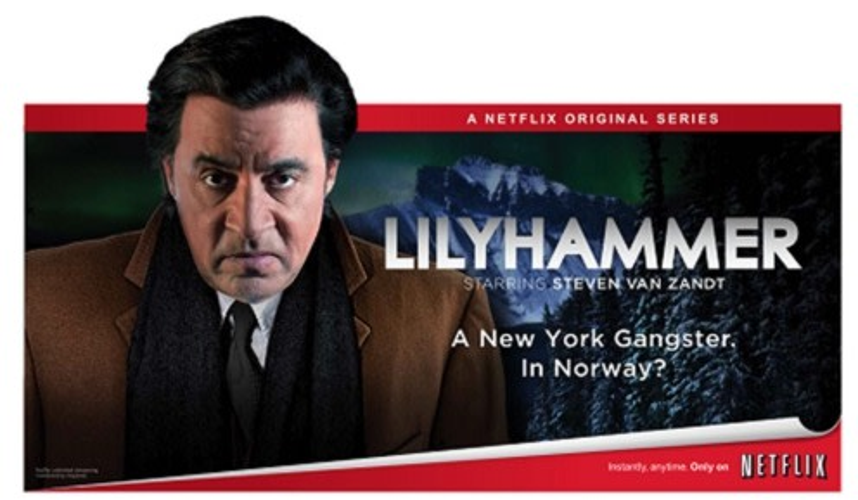
Netflix Introduces Groundbreaking Original Series 'Lilyhammer' Today marks a significant milestone in digital entertainment as Netflix launches its first original series, 'Lilyhammer,' starring Steven Van Zandt. This innovative release represents a bold new direction for the streaming platform. Van Zandt, known for his impressive dual career as a member of Bruce Springsteen's E Street Band and...
According to the latest report published by Data Bridge Market Research, the Japanese Encephalitis Market CAGR Value The large scale Japanese Encephalitis Market report is produced with the several decisive factors. These consist of primary research, benchmarking studies, secondary research, company profiles, competitive intelligence & reporting, syndicated research,...

A privacy-oriented email service, Proton Mail, provided payment information about a subscriber to Swiss law enforcement, which subsequently reached the FBI. Court documents obtained by 404 Media reveal that this data assisted federal agents in tracing the person allegedly managing an anonymous email address connected to Atlanta's "Stop Cop City" activism. The Stop Cop City campaign arose after...
