


Cricket Shoes: The Ultimate Guide to Choosing the Right Pair for Every Cricketer
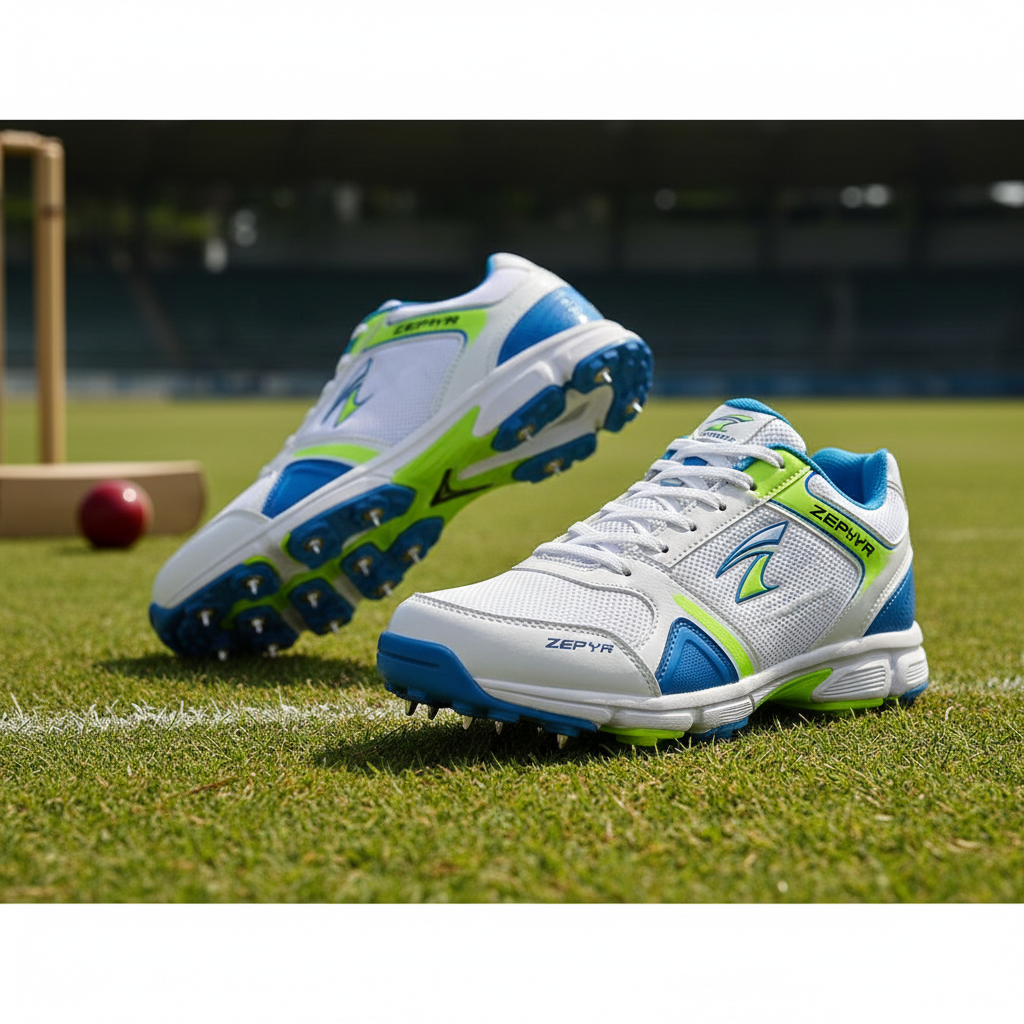
Cricket is a game that demands precision, skill, and stamina. While players often focus on batting techniques, bowling styles, and fielding agility, one essential aspect of performance is frequently overlooked: cricket shoes. The right pair of cricket shoes can significantly influence a player’s comfort, speed, stability, and overall performance on the field. Whether you are a professional cricketer or a weekend enthusiast, understanding the nuances of cricket shoes is crucial for enhancing your game and preventing injuries.
Why Cricket Shoes Are Important
Cricket involves a lot of running, sudden stops, lateral movements, and jumps. Unlike regular sports shoes, cricket shoes are designed specifically to withstand the unique stresses of the game. Using inappropriate footwear can lead to discomfort, blisters, ankle sprains, and even long-term joint problems. A good pair of cricket shoes ensures proper grip on the ground, adequate cushioning, and stability during intense movements. In addition, they improve a player’s confidence by allowing smooth and controlled actions whether batting, bowling, or fielding.
Key Features of Cricket Shoes
Understanding the features of cricket shoes helps in selecting the right pair according to your needs and playing conditions. Here are some of the critical features to consider:
1. Sole Design
The sole of cricket shoes is one of the most crucial components. Cricket shoes typically come with three types of soles:
-
Spiked Shoes: Equipped with metal or rubber spikes, these shoes offer excellent grip on natural grass pitches. They are preferred by fast bowlers and players who need strong traction during quick movements.
-
Rubber-Soled Shoes: Ideal for artificial pitches or indoor cricket. These shoes provide good grip without damaging the surface.
-
Mixed Sole Shoes: Combining spikes at the front and rubber at the back, these offer versatility for both natural and artificial surfaces.
2. Material and Build Quality
Cricket shoes are usually made from leather, synthetic materials, or a combination of both. Leather shoes are durable, breathable, and provide a snug fit, making them ideal for long hours on the field. Synthetic materials, on the other hand, are lighter, flexible, and often water-resistant, making them suitable for humid or wet conditions.
3. Cushioning and Comfort
High-quality cushioning in the midsole and heel area absorbs shock during running, jumping, and sudden stops. EVA foam and gel inserts are common materials used for cushioning. Proper cushioning not only reduces fatigue but also protects the knees and ankles from strain.
4. Ankle Support
Fast bowlers and fielders frequently make sudden lateral movements that put pressure on the ankles. Cricket shoes with high ankle collars or reinforced sides offer additional support, reducing the risk of sprains and injuries.
5. Weight
Lightweight cricket shoes allow players to move faster and maintain agility on the field. However, extremely lightweight shoes may compromise stability. Therefore, finding a balance between lightness and support is crucial.
Choosing the Right Cricket Shoes Based on Playing Role
Different cricketing roles require specific types of shoes to maximize performance:
1. Batsmen
Batsmen need shoes that allow quick footwork between the wickets. Lightweight shoes with cushioned soles and moderate ankle support work best. Rubber-soled shoes can be effective for indoor practice or artificial pitches, while spiked shoes are recommended for grass fields.
2. Bowlers
Fast bowlers exert significant force on their front foot during delivery, so they require shoes with excellent grip, cushioning, and strong ankle support. Spiked shoes are generally preferred for bowlers playing on natural pitches. Spin bowlers, who rely on subtle foot movements and pivoting, can benefit from shoes that offer flexibility and stability.
3. Fielders
Fielders need shoes that combine agility and comfort, as they frequently sprint, dive, and change direction. Rubber soles provide good traction on artificial surfaces, while mixed or spiked soles work best on grassy fields.
Types of Cricket Shoes
Cricket shoes are categorized based on their sole type, structure, and purpose:
-
Junior Cricket Shoes: Designed for young players with smaller feet. They are lightweight and flexible.
-
Professional Cricket Shoes: Built for intense, long-duration matches. They offer maximum support, durability, and comfort.
-
Indoor Cricket Shoes: Rubber-soled shoes suitable for indoor courts or synthetic pitches.
-
All-Round Cricket Shoes: Versatile shoes that work on multiple surfaces and suit various playing roles.
Common Mistakes to Avoid When Buying Cricket Shoes
Even experienced players sometimes make errors while selecting cricket shoes. Here are common mistakes to avoid:
-
Ignoring the Playing Surface: Wearing spiked shoes on an artificial pitch can damage the surface and reduce grip.
-
Choosing Based on Appearance Alone: Style and color are secondary to comfort, grip, and support.
-
Buying the Wrong Size: Cricket shoes should fit snugly but not be tight. Loose shoes can cause blisters and reduce control.
-
Overlooking Cushioning: Inadequate cushioning increases fatigue and the risk of injury.
-
Neglecting Ankle Support: Players making sudden movements without proper ankle support are more prone to sprains.
Maintenance Tips for Cricket Shoes
Proper care ensures your cricket shoes last longer and perform better:
-
Clean Regularly: Remove dirt and mud after each use. For leather shoes, use a soft cloth and mild cleaner.
-
Dry Properly: Avoid direct sunlight, which can damage materials. Air dry in a shaded area.
-
Check Spikes: Regularly inspect and replace worn-out spikes to maintain grip.
-
Store Correctly: Keep shoes in a dry, ventilated area. Using shoe trees can maintain their shape.
Benefits of Investing in Quality Cricket Shoes
While high-quality cricket shoes may cost more initially, they offer several long-term benefits:
-
Enhanced performance through better grip and stability.
-
Reduced risk of injuries due to proper cushioning and support.
-
Increased comfort during long practice sessions and matches.
-
Longevity and durability, making them cost-effective over time.
Popular Brands of Cricket Shoes
Some of the widely trusted cricket shoe brands in the market include:
-
ASICS: Known for their durability and superior cushioning.
-
Adidas: Offers lightweight and stylish cricket shoes.
-
Puma: Combines comfort with innovative design features.
-
New Balance: Focuses on stability and ergonomic fit.
-
Kookaburra: Popular among professionals for grip and support.
Choosing a reputable brand ensures access to quality materials, advanced technologies, and excellent customer service.
Final Thoughts
Cricket shoes are not just footwear; they are an essential tool that can influence your performance on the field. Selecting the right shoes involves considering your playing role, pitch type, and personal comfort preferences. By investing time and effort in choosing suitable cricket shoes, you can enhance agility, reduce the risk of injuries, and enjoy a more rewarding playing experience. Remember, a well-fitted pair of cricket shoes is the foundation for a confident and effective game.
Categorías
Read More
According to the latest report published by Data Bridge Market Research, the IoT in Chemical industry Market The global IoT in chemical industry market size was valued at USD 78.79 billion in 2024 and is expected to reach USD 176.78 billion by 2032, at a CAGR of 10.63% during the forecast period An influential IoT in Chemical industry...

A new growth forecast report titled Calibration Services Market Share, Size, Trends, Industry Analysis Report, By Service Type (Mechanical, Electrical, Dimensional, and Thermodynamics); By Proofreading; By Application; By Region; Segment Forecast, 2023 - 2032 introduced by Polaris Market Research represents conclusive data on the overall market. It majorly targets to provide a...
Analyse détaillée du résumé exécutif de la taille et de la part de marché de l'après-vente automobile Le marché des pièces détachées automobiles devrait connaître une croissance du marché au cours de la période de prévision de 2022 à 2029. Data Bridge Market Research analyse...
"Hydrogen Peroxide Market Summary: According to the latest report published by Data Bridge Market Research, the Hydrogen Peroxide Market The global hydrogen peroxide market size was valued at USD 1.54 billion in 2025 and is expected to reach USD 2.16 billion by 2033, at a CAGR of 4.34% during the forecast period The supreme Hydrogen Peroxide Market research report has been built by...
The global Toys Market is experiencing dynamic growth, driven significantly by the surging demand for educational and STEM-focused toys. As per Market Research Future, this shift reflects a fundamental change in parental priorities, with playtime increasingly viewed as a critical opportunity for cognitive, social, and emotional development. The traditional perception of toys as mere...