


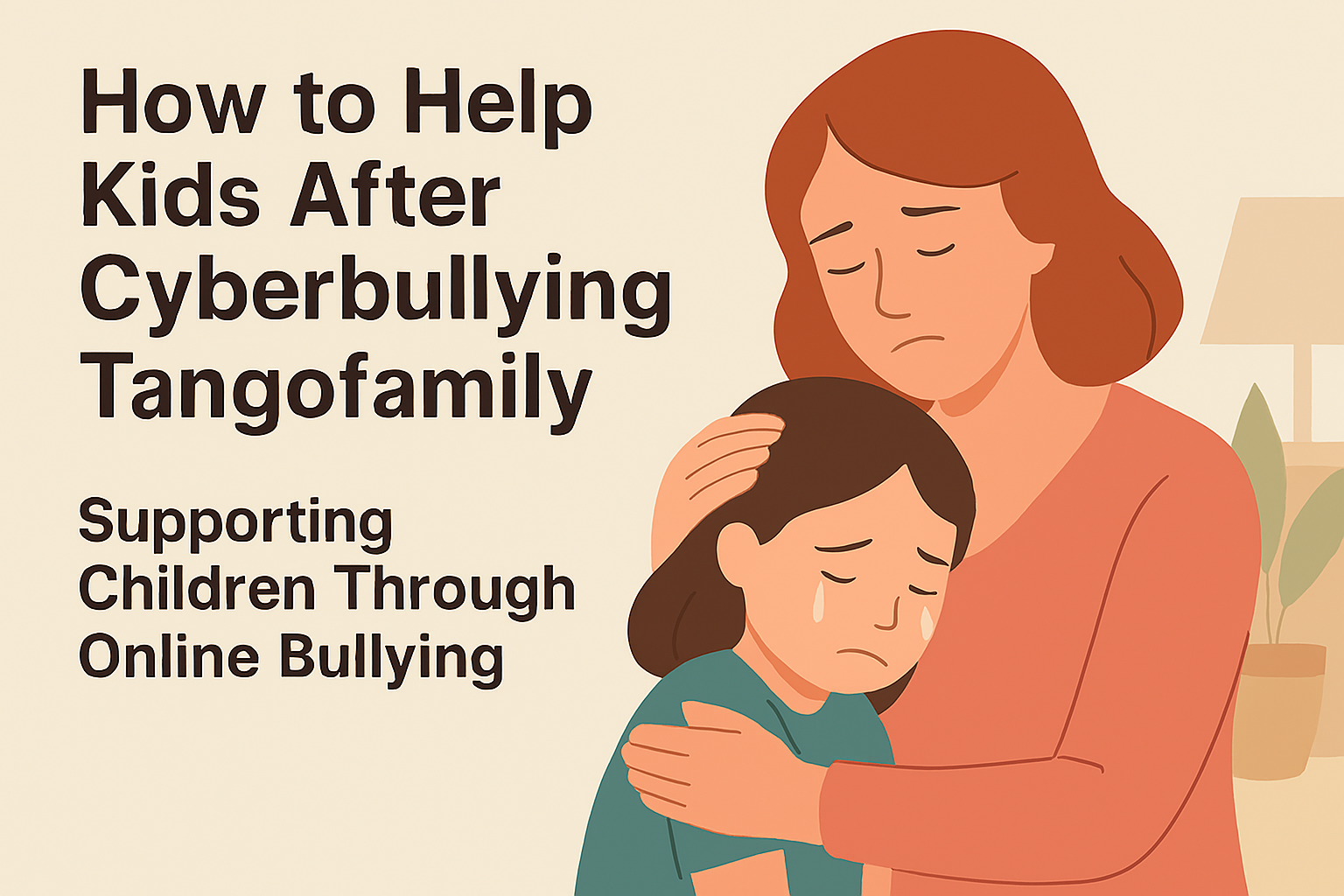
How To Help Kids After Cyberbullying Tangofamily
Introduction
Cyberbullying is a growing concern for parents in today’s digital world. Children are exposed to online platforms at an early age, making them vulnerable to harmful interactions. Tangofamily understands the emotional toll cyberbullying can take on kids and families. This article explores how to help kids after cyberbullying and offers practical strategies for recovery and resilience.
Recognizing the Impact of Cyberbullying
Cyberbullying can affect a child’s mental, emotional, and social well-being. It often leads to anxiety, depression, low self-esteem, and withdrawal from daily activities. Parents may notice changes in behavior such as:
-
Sudden mood swings
-
Avoidance of devices or social media
-
Sleep disturbances
-
Decline in academic performance
-
Reluctance to talk about online experiences
Early recognition is key to supporting children through online bullying and preventing long-term damage.
Open Communication Is Essential
One of the most effective ways to help kids recover is by creating a safe space for open dialogue. Encourage your child to share their feelings without fear of judgment. Ask gentle questions like:
-
What happened online that upset you?
-
How did it make you feel?
-
What do you wish had happened instead?
Tangofamily recommends active listening and validating your child’s emotions. Let them know they are not alone and that their feelings are important.
Supporting Children Through Online Bullying
Support goes beyond just listening. Parents should take proactive steps to rebuild their child’s confidence and sense of safety. Here are some ways to begin:
-
Limit exposure to harmful platforms – Monitor and adjust privacy settings.
-
Encourage positive online interactions – Promote safe communities and friendships.
-
Seek professional help if needed – Therapists and counselors can guide emotional recovery.
-
Involve school authorities – Teachers and administrators can help address bullying at its source.
-
Promote offline activities – Sports, hobbies, and family time help restore balance.
Supporting children through online bullying means being present, proactive, and patient.
Teaching Digital Boundaries and Safety
Educating kids about digital boundaries is a powerful tool for prevention and recovery. Tangofamily suggests teaching children to:
-
Never share personal information online
-
Block and report abusive users
-
Avoid responding to hurtful messages
-
Use strong passwords and secure accounts
-
Understand the importance of digital footprints
Empowering children with knowledge helps them feel more in control and less vulnerable.
Building Emotional Resilience
Recovery from cyberbullying involves emotional healing. Parents can help children build resilience by:
-
Practicing mindfulness and relaxation techniques
-
Encouraging journaling or creative expression
-
Celebrating small victories and progress
-
Reinforcing self-worth and positive affirmations
Tangofamily believes that emotional strength is just as important as digital safety.
When to Seek Professional Support
If your child shows signs of prolonged distress, it may be time to consult a mental health professional. Warning signs include:
-
Persistent sadness or anxiety
-
Self-harm or harmful thoughts
-
Isolation from friends and family
-
Refusal to attend school or social events
Therapists trained in child psychology can provide coping strategies and emotional support tailored to your child’s needs.
Conclusion
Knowing how to help kids after cyberbullying is essential for every parent in today’s connected world. Tangofamily encourages families to stay informed, communicate openly, and support children through every stage of recovery. By recognizing the signs, offering emotional support, and teaching digital safety, parents can help their children heal and thrive.
Categories
Read More
Ampoules Packaging Market Size, Share, Growth & Trends By Material Type (Glass Ampoules, Polymer Ampoules), By Application (Injectable Drugs, Vaccines, Diagnostic Solutions), By End-Use (Pharmaceutical Companies, Biotechnology Companies, Research Laboratories) By Region & Segment Forecasts, 2025–2034 Market Overview The ampoules packaging market is witnessing steady expansion...

The global chemical industry is confronting its most significant structural upheaval in decades. Chemical companies worldwide are squeezed by a protracted downturn characterized by weak demand, severe overcapacity, and soaring operational costs, forcing a fundamental re-evaluation of their strategies for survival and future growth. A Multifaceted Crisis: The Immediate Challenges The current...

According to the latest report published by Data Bridge Market Research, the Vascular Malformations Drugs Market Data Bridge Market Research analyses a growth rate in the global vascular malformations drugs market in 2023-2030. The expected CAGR of the global vascular malformations drugs market tends to be around 6.50% in the mentioned forecast period. The market was valued at USD...

When it comes to enhancing your nights in the city, finding the right Pune escort service is essential. Our platform offers a curated selection of stunning and alluring girls who are ready to ignite your desires.Browse through profiles that showcase not just beauty but also personality. Each Pune female escort is unique, ensuring you find someone who aligns with your fantasies and...

"Detailed Analysis of Executive Summary Enterprise Content Collaboration Market Size and Share Data Bridge Market Research analyses that the enterprise content collaboration market was valued at USD 9.66 billion in 2021 and is expected to reach the value of USD 36.81 billion by 2029, at a CAGR of 18.20% during the forecast period of 2022-2029. The Enterprise Content Collaboration...