Navigating the Shift: What Are the 2026 FCA Mortgage Rule Changes?

The mortgage landscape in the United Kingdom is currently undergoing one of its most significant transformations in a decade. As we move through 2026, the Financial Conduct Authority (FCA) has introduced a suite of updated regulations aimed at tightening consumer protections while simultaneously fostering a more technologically integrated lending environment. For professionals in the industry, understanding these shifts is not just about staying compliant; it is about redefining how advice is delivered to a more demanding and well-informed public. These changes focus heavily on the "Consumer Duty" principle, ensuring that firms do not just follow the letter of the law but actively work to deliver good outcomes for retail customers.
For anyone currently practicing or looking to enter this field, the complexity of these new rules underscores the necessity of high-level training. Staying ahead of the curve requires a deep dive into the technicalities of the Financial Services and Markets Act updates. Many professionals are returning to their foundational knowledge to ensure they can interpret these 2026 mandates correctly.
The Strengthening of the Consumer Duty Framework
The cornerstone of the 2026 FCA updates is the expansion of the Consumer Duty. While the initial rollout of this duty began a few years ago, the 2026 iterations focus on "measurable outcomes" rather than just "procedural compliance." The FCA now requires mortgage firms to provide empirical evidence that their products provide fair value and that their communications are understood by the average consumer. This means that advisors can no longer rely on standard disclosure documents alone. They must now actively test whether their clients comprehend the risks associated with specific mortgage products, such as the long-term implications of interest-only terms or the volatility of variable rates in a fluctuating economy.
This shift moves the industry away from a "buyer beware" mentality toward a more fiduciary-style responsibility for the advisor. In 2026, the FCA has gained increased powers to intervene where it perceives "sludge practices"—design elements that make it difficult for consumers to make decisions in their best interests. For advisors, this means every recommendation must be backed by a robust suitability report that explicitly references the four outcomes of the Consumer Duty: products and services, price and value, consumer understanding, and consumer support. Professionals who have recently completed a cemap mortgage advisor course will find themselves better equipped to handle this documentation, as modern training modules have been updated to reflect these rigorous evidencing requirements.
New Affordability Stress Testing and Vulnerable Customers
Another major change in 2026 involves how affordability is calculated and how "vulnerability" is defined. The FCA has introduced more granular guidelines on identifying vulnerable characteristics, which now include temporary financial shocks and digital exclusion. Advisors are now mandated to have a specific "Vulnerable Customer Policy" that is tailored to mortgage lending. Furthermore, the stress-testing of interest rates has been refined. Instead of a blanket 3% or 4% stress test above the revert rate, the FCA is encouraging a more bespoke approach that considers the specific economic forecast for the 2026-2030 period. This ensures that borrowers are not being over-leveraged in an era of higher baseline inflation.
The technical nature of these affordability assessments requires a high level of mathematical precision and ethical judgement. Advisors must be able to look beyond the credit score and analyze the "quality" of a client's income and expenditure. The 2026 rules emphasize that "affordability" is not just about whether a client can pay today, but whether they can sustain the mortgage over its lifetime without significant hardship. Because these calculations are becoming more complex, the industry has seen a surge in demand for qualified experts.
Digital Disclosure and the Rise of AI Compliance
As we progress through 2026, the FCA has finally provided a clear regulatory sandbox for the use of Artificial Intelligence (AI) in mortgage advice. The new rules state that while AI can be used to generate initial illustrations and gather data, the final "suitability sign-off" must be performed by a human advisor. This "Human-in-the-loop" requirement is designed to prevent algorithmic bias, which could unfairly penalize certain demographics. Additionally, the format of disclosure has changed. The FCA now permits—and encourages—interactive digital disclosure documents rather than 40-page PDFs. These digital documents must include "click-through" definitions for complex terms like APRC and Early Repayment Charges.
Advisors must now be tech-savvy enough to manage these digital interfaces while maintaining the "human" element of the advice process. The 2026 regulations make it clear that the firm is responsible for any errors made by an AI tool. This puts the onus on the advisor to understand the underlying logic of the software they use. Understanding the core principles of mortgage law is the only way to effectively supervise these digital tools.
Transitioning to Green Mortgages and ESG Requirements
Finally, the 2026 FCA updates have introduced mandatory ESG (Environmental, Social, and Governance) disclosures for mortgage intermediaries. For the first time, advisors are required to discuss the energy efficiency of a property as part of the mortgage advice process. With the government’s push toward Net Zero, the FCA wants to ensure that borrowers are aware of the potential future costs of retrofitting homes that have low EPC (Energy Performance Certificate) ratings. This has led to the rise of "Green Mortgages," which often offer lower rates for energy-efficient homes. The 2026 rules require advisors to explain the benefits and limitations of these products compared to standard offerings.
This adds a new layer of complexity to the advisor's role. You are no longer just a financial expert; you are becoming a consultant on property sustainability. The ability to pivot between financial advice and ESG compliance is a hallmark of a modern, successful broker. To truly excel in this evolving market, you need a training foundation that is recognized by the industry and the regulator alike.
Conclusion: Preparing for a Regulated Future
The 2026 FCA mortgage rule changes represent a move toward a more transparent, ethical, and technologically advanced industry. While the increased burden of documentation and the shift toward outcome-based compliance may seem daunting, these changes are ultimately designed to build greater trust between the public and the financial sector. For the advisor, this is an opportunity to move away from being a "transactional" salesperson to becoming a "strategic" consultant. By focusing on consumer outcomes and embracing the new digital and ESG requirements, advisors can secure their place in a competitive market.
Κατηγορίες
Διαβάζω περισσότερα
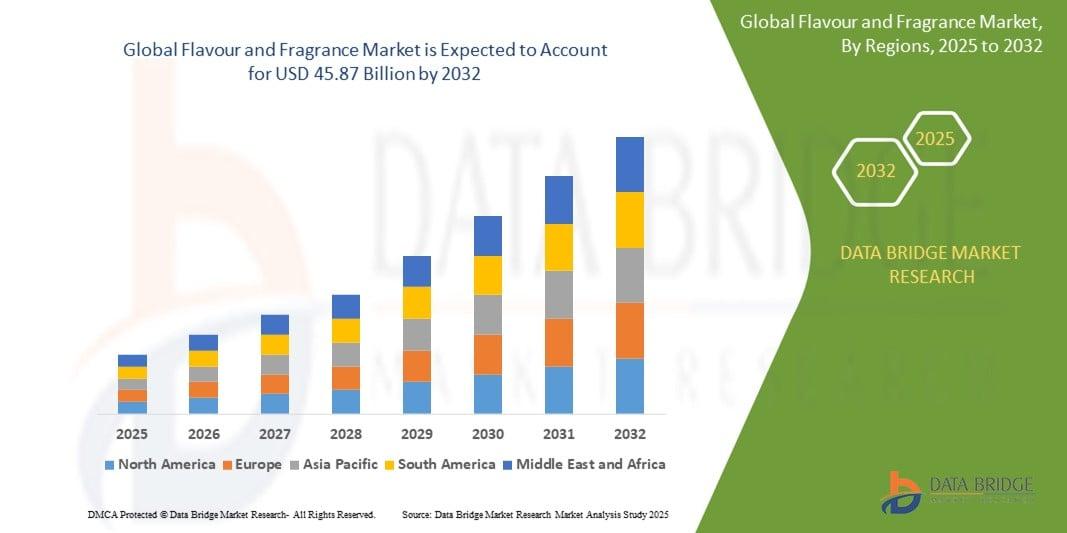
Flavour and Fragrance Market: According to the latest report published by Data Bridge Market Research, the Flavour and Fragrance Market The global flavour and fragrance market size was valued at USD 32.01 billion in 2024 and is expected to reach USD 45.87 billion by 2032, at a CAGR of 4.60% during the forecast period The universal Flavour and Fragrance Market report has...
Water leaks are not always obvious. In many cases, a small hidden leak can continue for weeks or even months before homeowners notice a problem. By the time damp patches appear on walls or ceilings, significant damage may already have occurred behind the scenes. One of the first warning signs of a hidden leakage in a pipe is an unexpected increase in your water bill. If your usage habits...

The online gaming and betting industry in India is growing rapidly, and many people are now exploring new digital earning opportunities. One of the trending opportunities in this space is becoming a SkyExchange Agent. Whether you are a beginner, freelancer, entrepreneur, or someone looking for an extra source of income, becoming a SkyExchange Agent can offer multiple benefits. In this...

How many IPL matches looked finished in over 19 and still slipped into chaos anyway. Quite a few this year, honestly, and all panel login trend spikes have followed those moments almost match for match, which is kind of strange that broad fan tracking tools now mirror super over tension so closely. IPL 2026 has made tied games feel less rare and more like recurring storms. This season has...

Introduction Women’s health is not just about wellness—it’s about comfort, confidence, and overall quality of life. Aesthetic gynecology has emerged as a specialized field that combines medical expertise with advanced procedures to improve intimate health, appearance, and function. At Al Jurf Medical Center, highly trained gynecologists provide professional aesthetic...