Gastric Bypass Surgery Explained
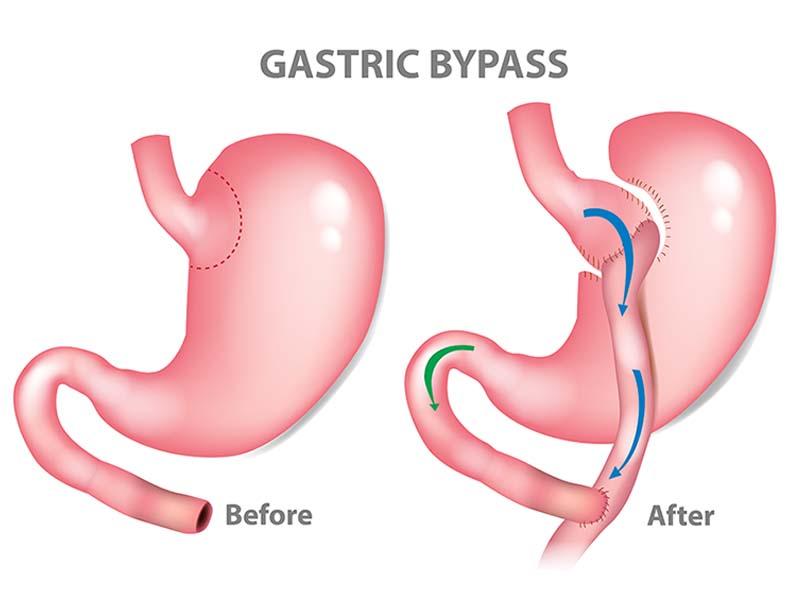
Obesity is a complex health condition that affects millions of people worldwide. When diet, exercise, and medication fail to produce lasting results, gastric bypass surgery can offer a medically proven solution for significant and sustainable weight loss. This article explains what gastric bypass is, how it works, and what patients can expect before and after surgery.
What Is Gastric Bypass Surgery?
Gastric bypass, also known as Roux-en-Y gastric bypass, is a type of bariatric surgery designed to help patients lose weight by:
-
Reducing stomach size – A small pouch is created, limiting the amount of food you can eat at one time.
-
Rerouting the digestive system – A portion of the small intestine is bypassed, reducing calorie and nutrient absorption.
This dual approach promotes effective weight loss while improving metabolism and appetite regulation.
How Gastric Bypass Works
Gastric bypass helps patients lose weight through three main mechanisms:
-
Restriction: Smaller stomach pouch → feel full faster → eat less.
-
Malabsorption: Bypassed section of the intestine → fewer calories absorbed.
-
Hormonal changes: Alters hunger hormones → reduces appetite and cravings.
These combined effects make gastric bypass one of the most effective bariatric surgeries for sustainable weight loss.
Who Can Benefit from Gastric Bypass?
Gastric bypass surgery is typically recommended for individuals who:
-
Have a body mass index (BMI) of 40 or higher
-
Have a BMI of 35 or higher with obesity-related conditions (e.g., diabetes, high blood pressure)
-
Have struggled to lose weight through diet and exercise alone
-
Are ready to commit to long-term lifestyle changes
A thorough medical evaluation ensures that the procedure is safe and suitable for each patient.
Health Benefits of Gastric Bypass
Beyond weight loss, gastric bypass offers significant health benefits, including:
-
Improved blood sugar control and remission of type 2 diabetes
-
Reduced blood pressure and cholesterol levels
-
Relief from joint pain and improved mobility
-
Reduced risk of heart disease and other obesity-related conditions
-
Enhanced energy levels and overall quality of life
Life After Gastric Bypass Surgery
Post-surgery, patients follow a structured recovery plan:
-
Diet: Transition from liquids to soft foods, then solids, with proper portion sizes
-
Supplements: Vitamins and minerals to prevent deficiencies
-
Exercise: Gradual incorporation of physical activity for long-term weight maintenance
-
Follow-up care: Regular monitoring ensures safety and optimal results
Successful outcomes depend on commitment to these lifestyle changes.
Risks and Considerations
Like any surgery, gastric bypass carries some risks, including:
-
Nutritional deficiencies
-
Digestive changes
-
Infection or complications from surgery
Choosing an experienced surgical team and adhering to post-operative care significantly reduces these risks.
Final Thoughts
Gastric bypass surgery is a safe, effective, and proven solution for lasting weight loss. By combining surgical precision with long-term lifestyle changes, patients can not only lose weight but also improve their health, mobility, and overall quality of life.
الأقسام
إقرأ المزيد
Polaris Market Research has introduced the latest market research report titled LiDAR Drone Market Share, Size, Trends, Industry Analysis Report, By Type (Fixed-Wing, Rotary-Wing); By Range; By Component; By Application (; By Regions; Segment Forecast, 2023 - 2032 that highlights the major revenue stream for the forecast period. The report contains clear, reliable, and...
A new growth forecast report titled Chocolate Market Size, Share, Trends, Industry Analysis Report : By Product (Artificial and Traditional), Distribution Channel, and Region (North America, Europe, Asia Pacific, Latin America, and Middle East & Africa) – Market Forecast 2025–2034 introduced by Polaris Market Research represents conclusive data on the overall market....

KirstenTooSweet is a social media creator who became popular by being confident, active, and real with her audience. She is best known for her fitness and lifestyle content, but what truly makes her stand out is how open she is about her life and mindset. With millions of followers across Instagram, TikTok, X, Facebook, and YouTube, Kirsten has built a strong online presence that keeps growing...

온라인 게임 산업은 블록체인과 암호화폐 기술 덕분에 빠르게 진화하고 있습니다. 특히 코인카지노 사이트 는 안전하고 투명한 거래 시스템, 다양한 게임 선택, 빠른 입출금 기능을 제공하여 이용자들에게 혁신적이고 신뢰성 높은 게임 경험을 선사합니다. 이러한 특징 덕분에 코인카지노 사이트는 전 세계 게이머들에게 각광받고 있으며, 블록체인 기반 카지노의 대표 플랫폼으로 자리 잡고 있습니다. 코인카지노 사이트의 주요 특징 블록체인 기반 신뢰성 코인카지노 사이트는 블록체인 기술을 활용하여 모든 게임 기록과 결제 내역을 안전하게 관리합니다. 조작이나 오류 가능성을 최소화하며, 이용자가 안심하고 게임을 즐길 수 있는 환경을 제공합니다. 블록체인의 투명성과 안정성은 플랫폼 신뢰도를 높이는 핵심 요소입니다. 다양한...

Here is a structured Adipic Acid Market analysis with company references + values for each section: 📊 Adipic Acid Market Overview Global market size: ~USD 5.8–7.0 billion (2025–2026) Forecast: ~USD 8.5–9.6 billion by 2033–2034 CAGR: ~4–4.6% https://www.thebrainyinsights.com/report/adipic-acid-market-12499 🏭 Key Companies (with...