


Why Installers and Joiners Are Switching to Construction ERP Platforms
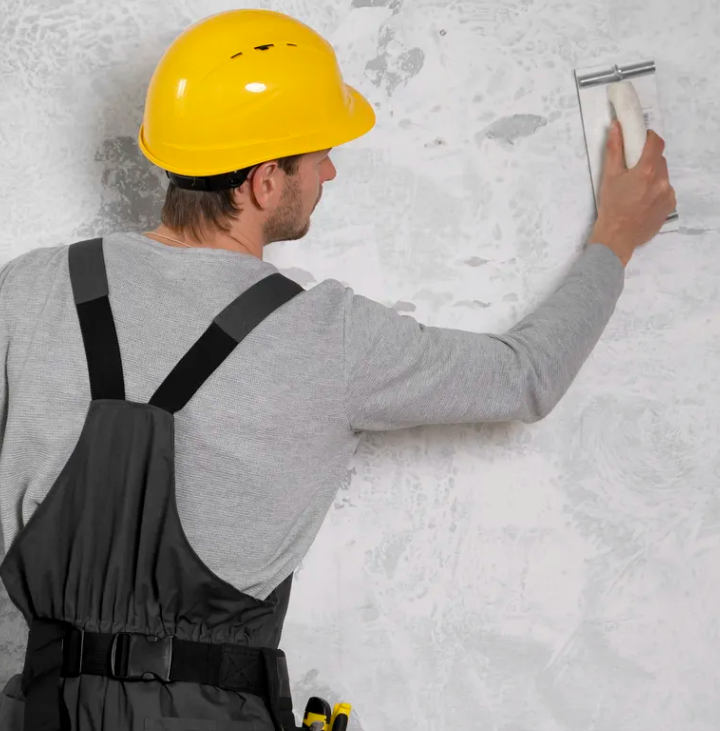
Installers and joiners are no longer working in the same environment they did a decade ago. I see tighter schedules, demanding clients, and rising material costs shaping their daily routines. They manage site work, office coordination, invoicing, and supplier follow ups all at once. We often hear them say that paperwork takes as much time as actual installation or joinery work. That pressure is one of the main reasons many professionals are now moving toward ERP software for construction.
In this blog, we explain why installers and joiners are making this shift in 2026. We share real working patterns, common challenges, and practical reasons behind this transition. Their businesses are changing, and they need systems that support how they actually work rather than slowing them down.
Why daily site coordination is pushing installers and joiners toward digital platforms
Installers and joiners often work across multiple sites in a single week. They travel, coordinate with contractors, and manage materials while keeping clients informed. I have noticed that when information sits in notebooks or scattered apps, mistakes happen.
ERP software for construction brings site schedules, job details, and task updates into one place. They can check assignments, material lists, and timelines without calling the office repeatedly. In comparison to manual coordination, this reduces confusion and saves time.
Still, the shift is not only about speed. It is also about clarity. When teams know exactly what is planned, they work with more confidence.
How paperwork overload affects installers and joiners in 2026
Paperwork has grown steadily in construction related trades. Installers and joiners now handle compliance records, invoices, variations, and client approvals. We hear many say they feel buried under admin work.
By using ERP software for construction, they store documents digitally and link them to specific jobs. This means fewer lost papers and faster access to records.
Common paperwork issues that ERP platforms help reduce include:
Misplaced job sheets
Delayed invoicing
Missing client approvals
Confusion over revised drawings
However, systems only help when data is entered consistently. They must commit to using the platform daily.
Financial visibility as a key reason behind the switch
Cash flow matters deeply to installers and joiners. Late payments or unclear expenses can disrupt their operations. I often see skilled tradespeople struggling not because of work quality but because finances feel unclear.
ERP software for construction connects job costs, labor hours, and billing records. They can see which projects bring profit and which ones create pressure.
Benefits that matter most include:
Clear job based cost tracking
Faster invoice preparation
Better control over outstanding payments
Reliable financial summaries
Despite this, they still need discipline. Software does not replace good financial habits.
Scheduling accuracy that fits real installation and joinery work
Installers and joiners rarely work in isolation. Their schedules depend on site readiness, deliveries, and coordination with other trades. Manual scheduling often fails to reflect these realities.
With ERP software for construction, they update schedules in real time. When a delay happens, the change reflects across the system. In the same way, office staff stay informed without endless calls.
Admittedly, learning to trust digital schedules takes time. But once teams rely on shared data, coordination improves.
Why joiners are rethinking project management methods
Joinery work often involves custom designs, precise measurements, and staged installations. Errors cost time and materials. We have seen joiners move away from disconnected tools toward structured platforms.
Some teams pair ERP platforms with construction software for joiners that focuses on drawings, revisions, and job stages. When used correctly, this setup improves accuracy and communication.
However, they must avoid overcomplicating workflows. Simple processes often work best for small and mid sized joinery teams.
Installers focusing on mobility and site friendly systems
Installers spend most of their time on site rather than in the office. They need systems that work on mobile devices without friction.
Modern ERP software for construction offers mobile access that allows installers to:
Log work hours on site
Upload photos for progress records
Check job instructions quickly
Report issues without delay
Likewise, supervisors gain visibility without micromanaging. Still, mobile access must remain simple to encourage daily use.
Data sharing that supports teamwork rather than confusion
Installers and joiners rarely work alone. They coordinate with project managers, suppliers, and clients. When data stays siloed, miscommunication grows.
ERP software for construction creates shared visibility. They see updates as they happen, reducing assumptions and errors.
In spite of these advantages, clear roles remain important. Everyone should know what data they manage and what they only view.
Why installers value structured systems more than before
Installation work often follows tight sequences. A delay in one task affects many others. We hear installers say they want fewer surprises during the workday.
Some businesses adopt ERP software for installers to track job readiness, materials, and labor allocation. This helps them arrive on site prepared.
However, no system removes the need for site experience. Digital tools support decisions, but practical knowledge still leads.
Reducing disputes through transparent records
Disputes with clients or contractors often arise due to unclear records. Installers and joiners benefit from detailed job histories.
ERP software for construction stores communication, approvals, and changes in one place. When questions arise, they refer to documented facts instead of relying on memory.
This approach helps with:
Client trust
Faster issue resolution
Fewer payment conflicts
Although disputes never disappear fully, clear records reduce their impact.
How ERP platforms support growing trade businesses
Many installers and joiners start as small teams. Over time, their workload increases. Growth introduces new challenges such as staff management and compliance.
ERP software for construction scales alongside their business. They add users, projects, and features as needed.
Growth related advantages include:
Better workforce coordination
Clearer performance tracking
Easier compliance reporting
More predictable planning
Still, growth requires planning. Software supports expansion but does not drive it alone.
Comparing ERP platforms to older trade management methods
In comparison to notebooks, spreadsheets, and basic apps, ERP platforms offer structure. They connect different aspects of the business instead of isolating them.
Installers and joiners often notice:
Fewer repeated data entries
Less reliance on memory
Improved consistency across jobs
But switching systems takes effort. Training and patience play major roles in success.
Field and office alignment as a major benefit
One of the biggest gaps in trade businesses lies between field teams and office staff. Misalignment causes frustration on both sides.
ERP software for construction bridges this gap by sharing the same data across roles. Office teams see site progress, while field teams understand billing and schedules.
Despite this alignment, communication habits still matter. Technology supports teamwork but does not replace conversations.
Long term planning made easier for installers and joiners
Installers and joiners increasingly think beyond next week’s job. They plan months ahead, considering staffing, equipment, and contracts.
With ERP software for construction, they review past performance and plan future work more confidently.
Planning benefits include:
Better workload forecasting
Smarter hiring decisions
Improved supplier coordination
Although plans change, structured data supports better adjustments.
Common concerns before switching to ERP platforms
Not every installer or joiner feels ready for ERP systems. We often hear concerns about cost, complexity, and learning curves.
Common worries include:
Fear of disrupting daily work
Uncertainty about return on investment
Resistance from experienced staff
However, many who adopt ERP software for construction report smoother operations after initial adjustments.
Final thoughts on why installers and joiners are making the switch
Installers and joiners are practical professionals. They choose tools that solve real problems. In 2026, their work environment demands better coordination, clearer finances, and reliable records.
I believe ERP software for construction fits these needs when chosen thoughtfully. We see trade businesses gaining control over their operations while reducing daily stress.
They still rely on skill, experience, and teamwork. Software supports those strengths rather than replacing them. As construction projects grow more complex, installers and joiners continue switching to ERP platforms that align with how they work today and how they plan to work tomorrow.
Categorias
Leia mais
Launching a brand-new website in 2026 feels a little like opening a shop in the centre of the wasteland. You've constructed something splendid, but Google would not know you exist, you've got zero inbound links, and each keyword you dream of ranking for is dominated by way of web sites that have been round for a decade. Here's the best information: you do not need domain authority to win in...

In a significant move to bolster cybersecurity, Surfshark has enhanced its VPN service by incorporating post-quantum cryptography (PQC) into its WireGuard protocol. This forward-thinking implementation aims to protect users against future threats posed by quantum computing advancements. The PQC protection now comes automatically enabled for Surfshark users on macOS, Linux, and Android...

The United States Non-invasive Fat Reduction Devices Market holds the largest share within North America, driven by the country’s strong demand for cosmetic enhancement procedures and a growing preference for non-surgical alternatives to traditional liposuction. Rising obesity rates, increasing social media influence on beauty standards, and expanding availability of advanced...

At first glance, saving money on hand tools seems practical. But many construction teams discover the hidden cost later. A weak handle loosens during work, uneven edges affect finishing quality, and workers spend extra time correcting mistakes. This growing frustration is why demand for professional bricklaying trowel products and dependable scattered tools continues rising among contractors...
Many QuickBooks users have got in a situation wherein the need of using Multiple screens was indispensable. To solve this problem, newer versions of QuickBooks have come up with a Multi Monitor mode, using which, one can use multiple screens. This feature is only available in new versions of QuickBooks, starting from “QuickBooks Desktop 2018”. This article will showcase the steps on...