


The Ultimate Guide to Office Cleaning Services in the UK: Keeping Workspaces Healthy and Productive
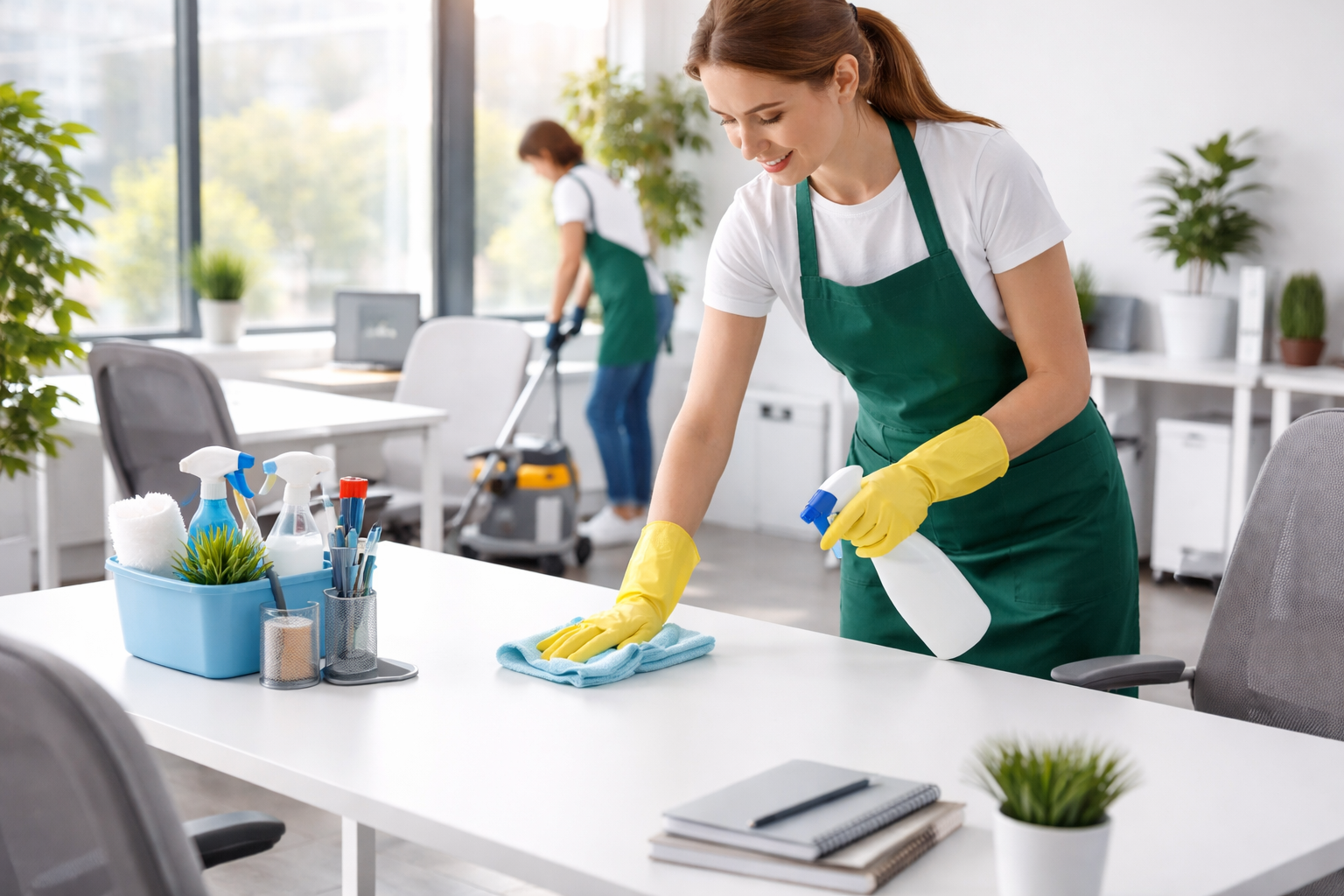
A clean office is more than just a tidy space—it’s a key factor in employee health, productivity, and overall business reputation. In UK offices, where staff spend long hours indoors and interactions with clients are frequent, maintaining a hygienic environment is essential. Dust, dirt, germs, and clutter can accumulate quickly, impacting comfort, air quality, and the overall feel of a workspace.
Professional office cleaning services provide a structured approach to keeping workspaces fresh, hygienic, and well-maintained. From daily upkeep to periodic deep cleaning, a clean office ensures employees feel motivated, visitors are impressed, and equipment and furniture last longer.
This comprehensive guide explores why office cleaning matters in the UK, the types of cleaning services available, best practices, and how businesses can implement a regular cleaning routine to maintain a safe, productive workplace.
Why Office Cleaning Matters in UK Workspaces
Offices are high-traffic areas, making them prone to dirt, germs, and allergens. In the UK, where indoor work environments dominate, proper cleaning is not just about appearance—it affects health, productivity, and employee satisfaction.
Key Benefits of Regular Office Cleaning:
-
Improved Indoor Air Quality – Reduces dust, pollen, and allergens.
-
Reduced Sick Days – Less bacteria and germs mean fewer illnesses.
-
Enhanced Productivity – A tidy, organised environment supports focus.
-
Professional Impression – Visitors and clients notice clean, well-maintained spaces.
-
Longevity of Furniture and Equipment – Regular cleaning protects surfaces, upholstery, and electronics.
A clean office is both a practical and strategic investment for UK businesses of all sizes.
Common Types of Office Cleaning Services
Professional office cleaning services in the UK are tailored to suit business needs, office size, and industry requirements. The main types include:
1. Daily or Routine Cleaning
Daily cleaning focuses on high-traffic areas and essential tasks, such as:
-
Emptying bins
-
Dusting desks and surfaces
-
Wiping keyboards, phones, and shared equipment
-
Sanitising door handles and communal areas
-
Vacuuming floors and carpets
This ensures the office remains hygienic throughout the workday.
2. Deep Cleaning
Deep cleaning goes beyond daily maintenance and is usually scheduled weekly, monthly, or quarterly. It involves:
-
Thorough carpet and upholstery cleaning
-
Floor stripping, polishing, and waxing
-
Window cleaning, including interior and exterior panes
-
Detailed sanitisation of kitchens and washrooms
-
Dust removal from vents, ceiling tiles, and hard-to-reach areas
Deep cleaning removes stubborn dirt, allergens, and bacteria that daily cleaning cannot address.
3. Specialized Cleaning
Some offices require additional services based on industry needs:
-
IT equipment sanitisation
-
Laboratory or medical office cleaning
-
Industrial or warehouse floor care
-
Eco-friendly or green cleaning for environmentally conscious businesses
Choosing the right type of cleaning ensures both hygiene and compliance with health and safety standards in the UK.
Best Practices for Office Cleaning in the UK
Proper office cleaning isn’t just about wiping surfaces—it requires a system that addresses hygiene, safety, and efficiency. Here are key best practices:
1. Create a Cleaning Schedule
-
Set clear daily, weekly, and monthly tasks.
-
Assign responsibilities or hire professional cleaners.
-
Include high-touch areas, such as door handles, light switches, and communal devices.
2. Use the Right Cleaning Products
-
Choose disinfectants approved for office use.
-
Consider eco-friendly or biodegradable options to reduce chemical exposure.
-
Avoid harsh chemicals near electronics or delicate surfaces.
3. Focus on High-Traffic Areas
-
Entrances, kitchens, washrooms, and shared meeting rooms require frequent attention.
-
Regular sanitisation reduces germ spread and maintains a welcoming environment.
4. Maintain Floors and Carpets
-
Vacuum carpets daily to remove dust and allergens.
-
Mop hard floors regularly and perform periodic polishing for shine.
-
Deep-clean carpets professionally at least twice a year to remove embedded dirt and stains.
5. Washrooms and Kitchens
-
Restock soap, paper towels, and sanitiser.
-
Clean sinks, taps, and countertops thoroughly.
-
Empty bins and remove odours daily to maintain hygiene.
The Role of Professional Cleaning Services
While in-house cleaning is useful, professional cleaning services bring experience, equipment, and efficiency. Benefits include:
-
Access to specialised cleaning equipment and techniques
-
High-quality results for carpets, upholstery, and hard surfaces
-
Flexible schedules, including after-hours cleaning
-
Consistency and reliability
-
Compliance with UK health and safety standards
Professional cleaners can transform a workspace, reducing sick days, improving employee morale, and creating a positive impression on visitors.
Office Cleaning and Employee Health
Offices are breeding grounds for germs due to shared surfaces, communal equipment, and high traffic. Regular cleaning reduces:
-
Bacteria and viruses on keyboards, desks, and phones
-
Dust and allergens that trigger respiratory issues
-
Mould and damp-related problems in UK offices with poor ventilation
A clean workspace supports mental and physical health, making employees more productive and engaged.
Eco-Friendly Cleaning in UK Offices
Many UK businesses now prefer eco-conscious cleaning practices. Benefits include:
-
Reduced chemical exposure for staff and clients
-
Environmentally responsible disposal of cleaning products
-
Energy and water-efficient cleaning equipment
-
Healthier indoor air quality
Using green cleaning products and sustainable methods aligns with corporate social responsibility goals and UK environmental regulations.
Tips for Maintaining a Clean Office Between Professional Services
Even with professional cleaners, maintaining cleanliness between services helps sustain hygiene. Simple tips include:
-
Encourage employees to keep desks organised
-
Provide sanitising wipes for keyboards and phones
-
Empty personal and communal bins daily
-
Keep kitchens and break areas tidy
-
Promote good hygiene practices, such as handwashing
Small daily habits complement professional cleaning and extend the benefits.
Seasonal Cleaning Considerations in the UK
Different seasons bring unique challenges for UK offices:
Winter
-
Colder, damp months increase indoor dust and moisture.
-
High-touch areas see more bacteria due to flu season.
Spring
-
Pollen may enter offices, triggering allergies.
-
Deep-clean carpets and air vents to reduce allergens.
Summer
-
Increased indoor activity may lead to more spills and odours.
-
Regular sanitisation is key.
Autumn
-
Muddy shoes and wet coats bring in dirt and moisture.
-
Extra attention to entrance areas and floors prevents long-term damage.
FAQs
Why is office cleaning important in the UK?
Office cleaning maintains hygiene, reduces allergens, and creates a professional environment for staff and visitors.
How often should offices be deep cleaned?
Most UK offices benefit from deep cleaning every 3–6 months, depending on size, staff, and usage.
Are eco-friendly cleaning services effective?
Yes, modern green cleaning products and techniques provide hygiene without harmful chemicals.
Can regular cleaning improve employee productivity?
Yes, a tidy, hygienic workspace reduces distractions, improves morale, and supports focus.
Do professional cleaners work after hours?
Many UK cleaning services offer flexible schedules to avoid disrupting office operations.
Conclusion
Office cleaning is a critical part of running a successful business in the UK. Beyond aesthetics, regular cleaning improves employee health, reduces absenteeism, and enhances productivity. A combination of daily maintenance, periodic deep cleaning, and professional services ensures a hygienic and comfortable work environment year-round.
From routine dusting and sanitisation to specialised deep cleaning, professional office cleaners help UK businesses maintain high standards of hygiene, create a welcoming atmosphere, and protect valuable furniture and equipment. Investing in regular office cleaning is an investment in staff wellbeing, client impressions, and long-term workplace efficiency.
Categorieën
Read More
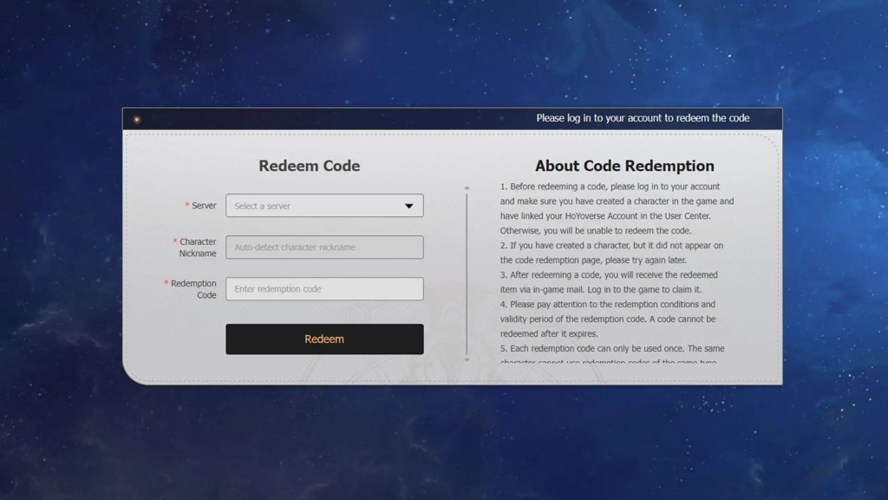
Exklusive Codes und Belohnungen Am 12. September 2025 fand ein Live-Stream von Hoyoverse statt, bei dem die kommenden Inhalte von Honkai Star Rail Version 3.6 vorgestellt wurden. Dabei wurden neue Charaktere, Banner, Events und weitere spannende Neuerungen präsentiert. Zuschauer erhielten einen exklusiven Einblick ins Gameplay von Evernight sowie Dan Heng Permansor Terrae, zwei neue...
In today’s competitive academic environment, students often need extra support beyond classroom teaching to perform well in exams. This is where home tuition in Kanpur has become an ideal solution for parents and students seeking personalized learning. Unlike traditional coaching institutes, home tuition provides one-on-one attention, allowing tutors to focus completely on a...

There’s something oddly calming about water. You don’t really notice it at first, but once it’s there, everything feels different. Quieter. Slower. A bit more put together. That’s exactly why water features fountains have become such a thing lately—not just in big parks or fancy hotels, but in normal homes, regular gardens, even small patios. And honestly, it makes...

The shift toward intelligent marketing is accelerating, and Generative AI in B2B Marketing is at the center of this transformation. Businesses are increasingly adopting AI-powered solutions to design smarter campaigns that deliver better results with less effort. Acceligize continues to help organizations understand and implement these innovations, enabling them to stay competitive in a rapidly...
Visit : https://realgameapk.com.pk/ Mobile gaming has become one of the most popular forms of entertainment across the world. From action-packed adventures to relaxing puzzle games, millions of users spend hours exploring new gaming experiences on their smartphones. As the demand for Android games and applications continues to grow, platforms like Real Game APK are gaining attention among...