


Daily work management system
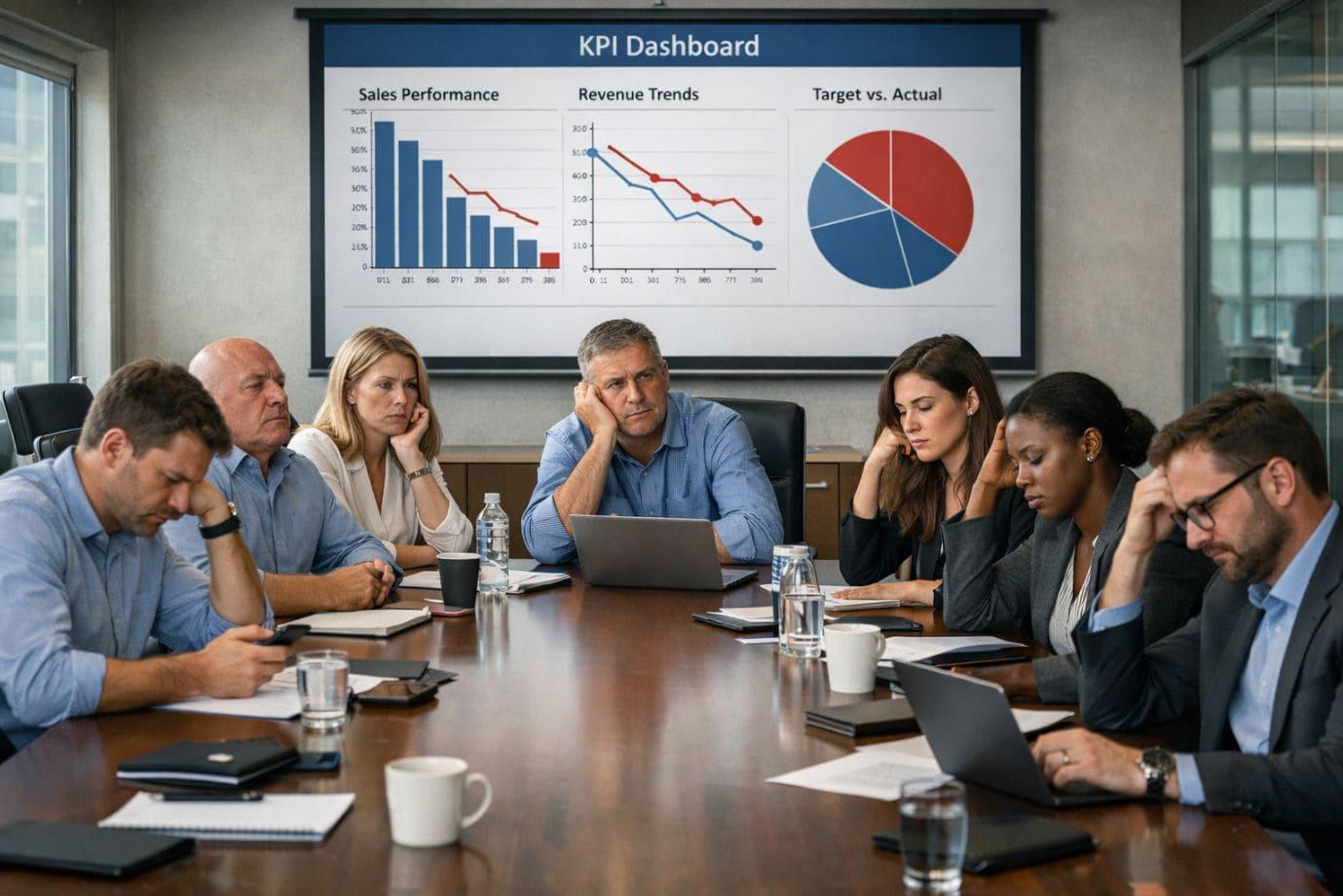
In today’s fast-paced industrial and operational environment, achieving consistent performance every single day is essential for business success. That’s where dwm—better known as daily work management—becomes a cornerstone of operational discipline and organizational excellence. Unlike traditional management approaches that rely on monthly reviews and delayed metrics, daily work management focuses on what matters today, making daily execution visible, measurable, and actionable.
At its core, dwm is a structured leadership and execution methodology that connects strategic objectives with real-time action. A well-implemented daily work management system turns daily priorities into clear work routines, helping teams stay aligned, accountable, and productive. It does this through tools like the daily work management board and the employee daily task tracker, which together make work visible and measurable across shifts, departments, and functions.
One of the most powerful aspects of daily work management is how it transforms ordinary daily activities into strategic performance insights. Rather than waiting for monthly reports to tell you where things went wrong, a daily work management system allows supervisors and leaders to see deviations from targets as they happen. This real-time visibility enables quicker corrective actions, deeper accountability, and a culture of continuous improvement where problems are solved close to the source.
A key tool within any successful daily work management setup is the daily work management board. Whether physical or digital, this board displays the most important performance indicators, issues, and actions for the day. It’s not a static dashboard; it’s a dynamic operational hub where teams gather for short, focused huddles, update status, and take ownership of daily tasks. By visually highlighting what’s on track and what’s off track, the board helps everyone understand daily priorities and their role in execution.
The employee daily task tracker is another critical component that reinforces accountability at the individual level. When employees clearly see their daily assignments and performance expectations, ambiguity disappears. Each team member knows exactly what needs to be done, when it needs to be completed, and how their contributions impact overall performance. This transparency not only improves execution but also empowers employees to solve problems proactively rather than waiting for direction.
For a dwm manager, these tools are more than just visual aids—they are the foundation of effective supervision and coaching. A dwm manager uses the insights from daily routines to guide teams, remove barriers, and develop problem-solving capabilities. Rather than micromanaging tasks, the role evolves into one of enabling teams to perform at their best every day.
In summary, daily work management is not just a technique—it’s a mindset. It reshapes how organizations think about daily execution, accountability, and improvement. By leveraging a well-designed daily work management system, supported by a daily work management board and an employee daily task tracker, companies can create predictable performance, higher productivity, and stronger organizational engagement. For every dwm manager, adopting these practices means turning daily challenges into continuous progress and operational excellence.
Catégories
Lire la suite
The online gaming industry continues to evolve rapidly, offering players more engaging experiences, innovative features, and convenient access to their favorite entertainment options. Among the platforms gaining attention in this competitive landscape is 8KBET , a name that has become increasingly popular among gaming enthusiasts seeking a reliable and user-friendly experience. With its modern...

According to the latest research by SNS Insider, the Stem Cell Banking Market was valued at USD 10.00 Billion in 2025 and is projected to reach USD 31.58 Billion by 2035, expanding at a CAGR of 12.22% from 2026 to 2035. The Stem Cell Banking Market continues to gain momentum as healthcare providers, biotechnology companies, and research organizations increasingly recognize the...

In today’s fast-paced lifestyle, maintaining a sculpted, healthy body often feels like a challenge—especially for busy professionals juggling long work hours, family responsibilities, and social commitments. Traditional weight loss methods like intense workouts and strict diet plans aren’t always practical for everyone. This is where modern body shaping solutions come into...

Chinatsu is an S-tier heroine in the game Last Z: Survival Shooter. She serves the Guard of Order faction and embodies the Fighter archetype. Her specialty is combat — a high-DPS unit designed to shine in alliance duels. Role designation: Elite DPS / Alliance Duel specialist. Key stats — Attack: 16,695; Defense: 13,665. Troop complement: 500 soldiers. Built for aggressive frontline...
In the busy beauty industry today, it is important to differentiate yourself from others. One way to do this is to provide custom formulation skin care products that address your customers' skin care concerns. Furthermore, providing private label skin care manufacturers ensures your company will leave a long-lasting impression. In particular, offering both customized skin care and...
