


Decarbonizing the Heavy-Duty Drive: The 2026 Evolution of the Renewable Diesel Industry

As the global energy landscape navigates the complexities of 2026, the Renewable Diesel Industry has emerged as the most critical bridge between traditional internal combustion engines and a net-zero future. Unlike first-generation biofuels, renewable diesel—often referred to as Hydrotreated Vegetable Oil (HVO)—is a "drop-in" fuel that is chemically identical to petroleum-based diesel. This unique property has allowed the industry to scale at an unprecedented rate, as it requires zero modifications to existing engines, pipelines, or storage infrastructure. In 2026, the industry is defined by a massive pivot toward waste-based feedstocks, the integration of refinery co-processing technologies, and a strategic shift toward Sustainable Aviation Fuel (SAF) as airlines scramble to meet binding carbon mandates. This transformation is turning former petroleum hubs into "Green Biorefineries," where the focus has shifted from extracting carbon from the ground to recycling carbon already in the atmosphere.
The Technological Leap: From Transesterification to Hydrotreating
The defining technical characteristic of the 2026 industry is the maturation of advanced hydrotreating. While traditional biodiesel relies on a chemical process called transesterification, which results in an oxygenated fuel with storage and performance limitations, renewable diesel is created by reacting lipids with hydrogen under high pressure. This removes oxygen and yields a pure hydrocarbon with a high cetane number, typically ranging from 70 to 90.
By 2026, these technical advantages have become the primary driver for adoption in "hard-to-abate" sectors like long-haul trucking, mining, and maritime shipping. Fleet operators in northern climates have particularly embraced renewable diesel due to its superior cold-flow properties; unlike biodiesel, which can gel in freezing temperatures, the molecular tailoring available in 2026 production lines allows for "winter-grade" renewable diesel that remains fluid at temperatures as low as -40°C. This reliability has effectively removed the last engineering barrier to total fossil-fuel replacement in heavy industry.
Feedstock Wars and the Search for Circularity
The most intense dynamic within the 2026 industry is the global "scramble for feedstocks." As demand outstrips the supply of traditional soybean and rapeseed oils, the industry has turned its sights on the circular economy. Producers are now aggressively bidding for "waste-based" inputs, including used cooking oil (UCO), technical-grade animal fats (tallow), and distillers corn oil.
In 2026, we are also seeing the first commercial-scale entry of "Cover Crops" into the supply chain. These are non-food crops like Camelina and Thlaspi that are grown on fallow land between traditional food cycles, preventing soil erosion while providing a low-carbon intensity (CI) oil for fuel production. This diversification is critical for compliance with the EU's RED III directive and California's LCFS, both of which now place a premium on fuels that do not compete with food production or drive land-use change. The industry is no longer just about refining; it is about building global, traceable, and sustainable supply chains for every drop of waste oil.
The Aviation Pivot: SAF and Renewable Diesel Synergy
A major trend reshaping the 2026 industry landscape is the blurring of lines between renewable diesel and Sustainable Aviation Fuel (SAF). The chemical pathways for both fuels are nearly identical, and in 2026, most new biorefineries are designed as "flexible-yield" plants. Depending on market prices and regulatory mandates, a refiner can now adjust their catalyst settings to produce either 70% renewable diesel or 70% SAF from the same feedstock pool.
With the aviation industry facing mandatory blending targets in 2026 across Europe and parts of North America, the "green premium" for SAF is often higher than that for road diesel. This has led to a strategic "up-cycling" of renewable diesel capacity. As a result, we are seeing a fascinating industrial shift: while light-duty road transport increasingly moves toward electrification, renewable diesel is being diverted upward to power the wings of global commerce, ensuring that even the most difficult sectors to decarbonize have a viable pathway to sustainability.
Policy as a Strategic Infrastructure
By 2026, government policy has transitioned from providing "incentives" to enforcing "mandates." In the United States, the Environmental Protection Agency (EPA) has implemented record-high Renewable Fuel Standard (RFS) volumes, while in Brazil, the "Fuel of the Future" law has established a clear roadmap for increasing bio-content in the national energy mix. These policies have provided the long-term certainty required for multi-billion-dollar refinery conversions.
Furthermore, 2026 is the year of "Carbon Transparency." Every gallon of renewable diesel produced now carries a digital "Carbon Score," tracked via blockchain from the farm or restaurant where the oil originated to the pump where it is sold. This audit trail is essential for corporations aiming to claim Scope 3 emissions reductions. The industry has effectively transformed a commodity fuel into a "data-rich" service, where the value lies not just in the energy content, but in the verified carbon savings it provides to the end-user.
Looking Toward 2030: The Integrated Biorefinery
As we look toward the end of the decade, the renewable diesel industry is evolving into the "Integrated Biorefinery" model. These sites are increasingly co-located with green hydrogen production and carbon capture units, creating a closed-loop system where the emissions from refining are captured and used to create e-fuels or bio-polymers. The innovations of 2026 have proven that the liquid fuel industry is not dying; it is being reborn as a high-tech, circular, and essential component of the global net-zero architecture.
Frequently Asked Questions
Is renewable diesel more expensive than regular diesel in 2026? Yes, the production of renewable diesel remains more expensive due to the high cost of sustainable feedstocks and the complex hydrotreating process. however, in 2026, carbon credits and government subsidies often narrow this gap at the pump. Many commercial fleets find it cheaper to pay the "green premium" than to replace their entire fleet with electric trucks.
Can I mix renewable diesel with regular petroleum diesel? Absolutely. One of the greatest strengths of renewable diesel in 2026 is that it is a "drop-in" fuel. It can be mixed in any ratio—from 1% to 100%—with conventional diesel without needing any engine changes or separate storage tanks. This allows companies to gradually increase their use of green fuel as their budget and local supply allow.
Does using renewable diesel affect my engine's warranty? In 2026, almost every major engine manufacturer (including Volvo, Scania, and Cummins) has officially certified their engines for 100% renewable diesel (HVO) use. Because it has a higher cetane number and is free of sulfur and aromatics, it often results in a cleaner-burning engine with less soot buildup, which can actually extend the life of the engine and reduce maintenance costs.
More Trending Reports on Energy & Power by Market Research Future
Mobile Battery Energy Storage System Market Dynamics
Nuclear Waste Recycling Market Dynamics
Offshore Marine Emission Control System Market Dynamics
Micro Gas Turbine for Aeroderivative and Energy Market Dynamics
Europe, Australia, Middle East & Africa Solar Tracker Market Dynamics
Categorieën
Read More
The crypto advertising space is evolving faster than most marketers can keep up with. One surprising insight is that push ads are now delivering some of the highest engagement rates across performance marketing channels. For advertisers navigating strict regulations and rising acquisition costs, Push Ads for Crypto Marketing are becoming a reliable growth engine. One major pain point in...

The Animation Versus Game has become one of the most talked-about stickman fighting games on Android. Fans love its mix of creativity and chaos. It feels like animation and gaming collide in one thrilling battle. But not everyone downloads it safely. Many players look for the “Animation Versus Game APK” on random websites, which can be dangerous. Let’s explore what makes this...

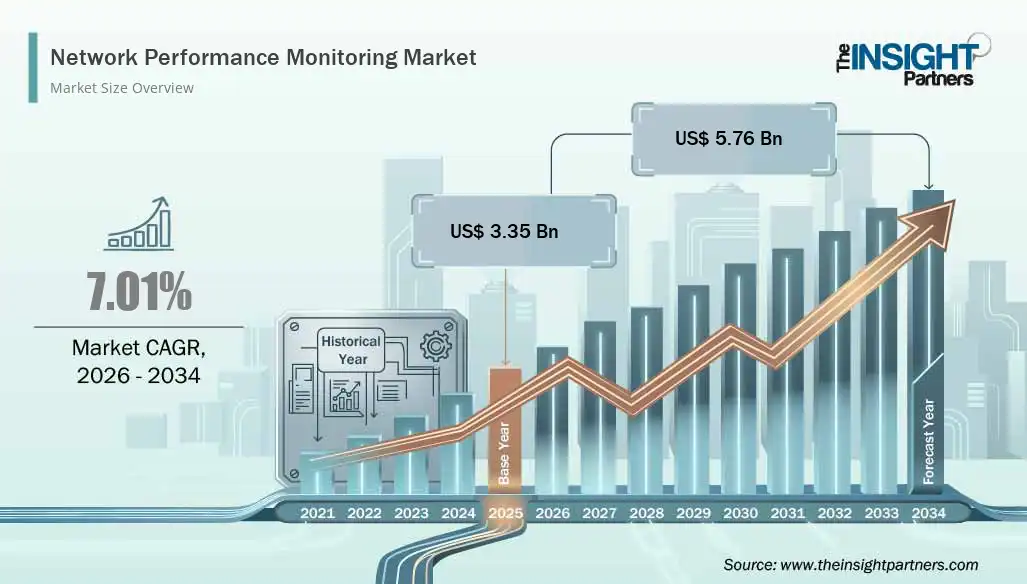
The North American Network Performance Monitoring is expanding as organizations adopt AI-driven monitoring platforms to improve network visibility, cybersecurity, and operational efficiency. The region remains at the forefront of technological innovation. The Network Performance Monitoring Market size is expected to reach US$ 5.76 Billion by 2034 from US$ 3.35 Billion in 2025. The...
Enter the discount code "Angle" at MMOEXP right now to instantly receive a 8% discount. Good luck! Want to max your combat stats in Old School RuneScape without endlessly clicking monsters for hours? What if you could gain impressive experience rates while watching movies, working, or simply relaxing? AFK combat training has become one of the most popular ways to level accounts efficiently,...

A neglected building often tells a story before anyone steps inside. Faded interiors, outdated systems, and inefficient layouts can influence how customers, tenants, and employees perceive a business. Renovation offers an opportunity to refresh these spaces while improving functionality and long-term value. Rather than replacing an entire structure, many property owners choose strategic...