


The Role of Contractors in Hospital Credentialing Programs
In today’s complex healthcare ecosystem, hospitals rely on far more than physicians and nurses to keep operations running. Behind every surgical procedure, diagnostic test, and patient admission stands an interconnected network of third-party professionals — including contractors who support infrastructure, technology, equipment, and facility operations.
Vendor credentialing has long been recognized as essential to protecting patients and maintaining compliance. However, contractors are often underrepresented in credentialing strategies — despite presenting comparable (and sometimes greater) risk exposure. A comprehensive governance framework must treat contractors as a core component of hospital credentialing programs.
Why Contractors Must Be Integrated Into Hospital Credentialing Programs
In modern healthcare environments, the line between employee and non-employee is increasingly blurred. Contractors may include:
-
Biomedical equipment technicians
-
IT system specialists
-
HVAC and facility maintenance professionals
-
Construction and renovation teams
-
Environmental and life-safety inspectors
-
Remote data support personnel
Each of these individuals may access restricted areas, sensitive patient data, or mission-critical systems. Without standardized credentialing oversight, hospitals face heightened operational and regulatory risks.
Patient Safety
Contractors frequently work near patients, sterile environments, and high-risk medical equipment. Credential verification — including immunizations, safety training, and certifications — reduces the risk of infection transmission, procedural disruption, and preventable harm.
Regulatory Compliance
Regulatory and accreditation bodies such as:
-
The Joint Commission
-
Centers for Medicare & Medicaid Services (CMS)
-
National Fire Protection Association (NFPA)
require healthcare facilities to maintain safe, compliant environments. This includes ensuring that all individuals — employees and non-employees — meet defined standards.
Failure to credential contractors appropriately can result in:
-
Accreditation risk
-
Regulatory penalties
-
Financial fines
-
Increased legal exposure
Visit our more Blogs - https://gogreensecurity.com/blog
Operational Continuity
Hospitals depend on contractors to maintain HVAC systems, IT infrastructure, medical devices, and building safety systems. Delays in access due to incomplete credentialing can disrupt operations and compromise patient care.
Risk Mitigation
Unverified contractors introduce vulnerabilities related to:
-
Data security breaches
-
HIPAA non-compliance
-
Workplace injuries
-
Infection control violations
-
Physical security threats
A structured credentialing program significantly reduces these exposures.
Reputation Protection
Healthcare organizations are built on public trust. A single incident involving an uncredentialed contractor can damage a hospital’s reputation with patients, regulators, and stakeholders. Including contractors in credentialing governance demonstrates institutional commitment to safety and accountability.
The Importance of Credentialing Governance
Vendor and contractor credentialing governance ensures that all third-party personnel meet established standards for safety, professionalism, and regulatory compliance before accessing a facility.
Credentialing governance typically includes verification of:
-
Professional licenses and certifications
-
Background checks
-
Immunization records
-
OSHA and safety training
-
HIPAA compliance training
-
Technical certifications
-
Insurance coverage
Strong governance protects both patients and institutions by reducing legal liability and improving audit readiness.
Explore - https://tinyurl.com/yfxwas4m
Governance Best Practices for Contractor Credentialing
A successful contractor credentialing program requires more than basic documentation. It demands structured policy, technology enablement, and continuous oversight.
1. Develop a Comprehensive Credentialing Policy
Establish a standardized policy covering all vendors and contractors. Define requirements clearly, including:
-
Background screening criteria
-
Immunization standards
-
Safety and compliance training
-
Data security protocols
-
Insurance minimums
Ensure alignment with federal, state, and accreditation standards.
2. Centralize Credentialing Processes
Implement a centralized credentialing platform to:
-
Standardize verification workflows
Maintain real-time credential status -
Reduce administrative burden
-
Provide audit-ready reporting
Centralization eliminates fragmented spreadsheets and inconsistent departmental processes.
3. Treat Contractors as Core Program Participants
Contractors should undergo the same level of scrutiny as clinical staff and vendors. This includes:
-
Technical certification verification
-
Life-safety compliance documentation
-
Facility-specific training validation
-
Ongoing compliance monitoring
Credentialing standards should not vary based on employment classification.
4. Conduct Regular Audits and Renewal Tracking
Compliance is not a one-time event. Governance frameworks must include:
-
Automated expiration tracking
-
Renewal notifications
-
Periodic compliance audits
-
On-site badge validation checks
Continuous monitoring prevents gaps in compliance.
Conclusion
Vendor credentialing governance is a foundational pillar of patient safety, regulatory compliance, and operational resilience in healthcare facilities. While hospitals traditionally focus on credentialing physicians, nurses, and medical vendors, contractors must be recognized as equally critical participants in the ecosystem.
Explore - https://tinyurl.com/yfxwas4m
Categorías
Read More
The global folliculitis market size was valued at USD 1.98 billion in 2024 and is expected to reach USD 3.12 billion by 2028, growing at a CAGR of 5.81% during the forecast period. The global business landscape is undergoing a transformation, with industries increasingly leaning on deep research and actionable insights to make strategic decisions. One segment seeing...

Most advertisers entering Betting Advertising today quickly realize that scale is no longer just about budget—it’s about precision. Platforms are stricter, traffic quality varies widely, and compliance rules shift depending on geo. What worked two years ago—aggressive creatives, broad targeting, and quick scaling—now often leads to account flags or poor ROI. If...

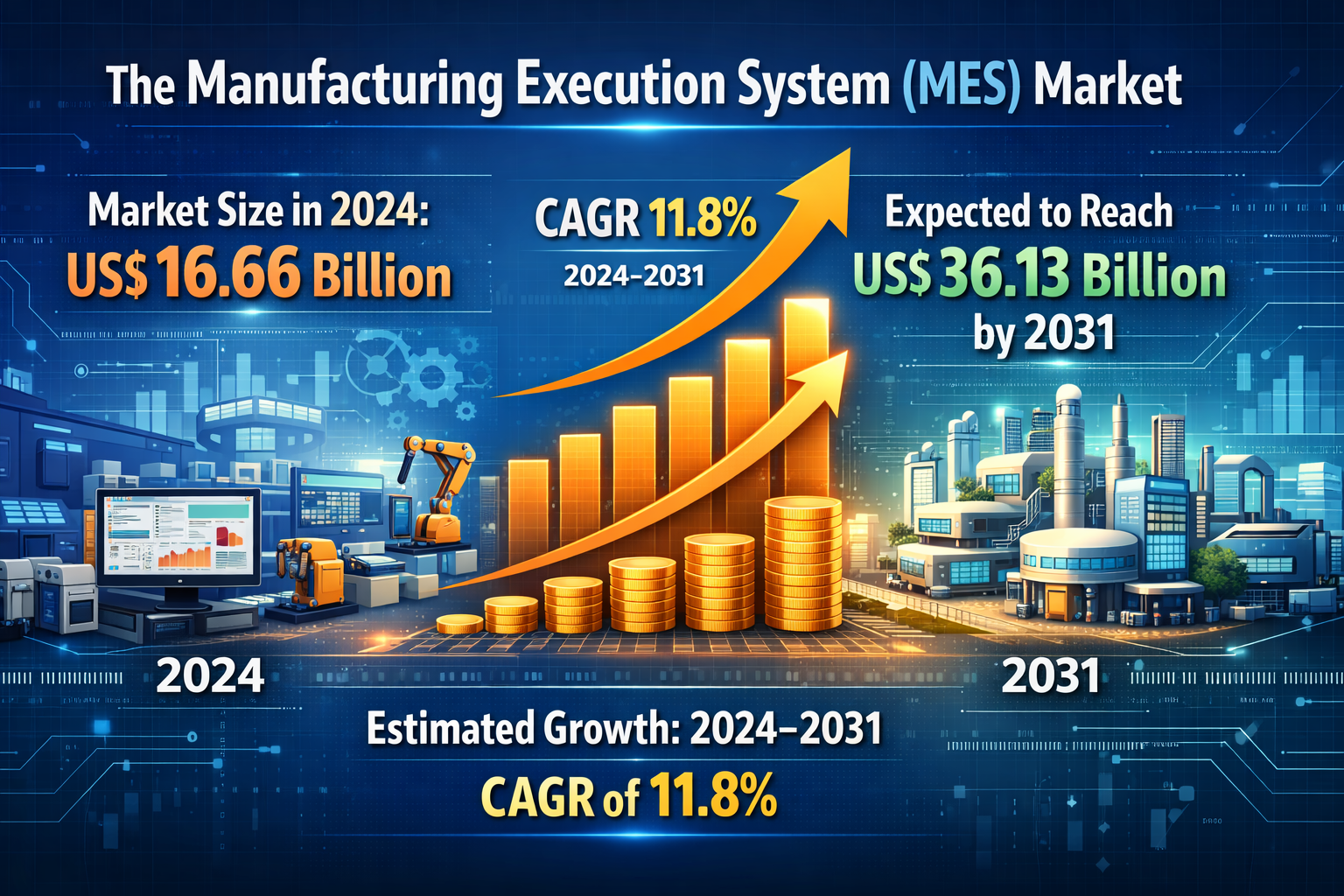
Manufacturing Execution System supports quality management by recording inspection data, tracking defects, and ensuring compliance with industry standards. This real-time quality tracking reduces rework, improves product consistency, and increases customer satisfaction.Market Overview The Manufacturing Execution System (MES) Market was valued at US$ 16.66 billion in...
The Dysprosium Oxide Price Trend has become an important topic for manufacturers, traders, procurement professionals, and investors involved in the rare earth industry. Dysprosium oxide is a critical rare earth material used in advanced magnet production, electric vehicles, renewable energy technologies, and industrial equipment. Recent developments in the Dysprosium Oxide Price Trend have been...

Aviation analytics refers to the use of advanced data analysis tools, artificial intelligence, machine learning, and predictive modeling to optimize operations, enhance safety, improve customer experience, and drive profitability within the aviation industry. Airlines, airports, and aviation service providers increasingly rely on analytics to process vast volumes of data generated from aircraft...